Bar Councils must collect data on lawyers facing criminal records, says Madras High Court
Source Entity
India Latest News: Top National Headlines Today & Breaking News | The Hindu
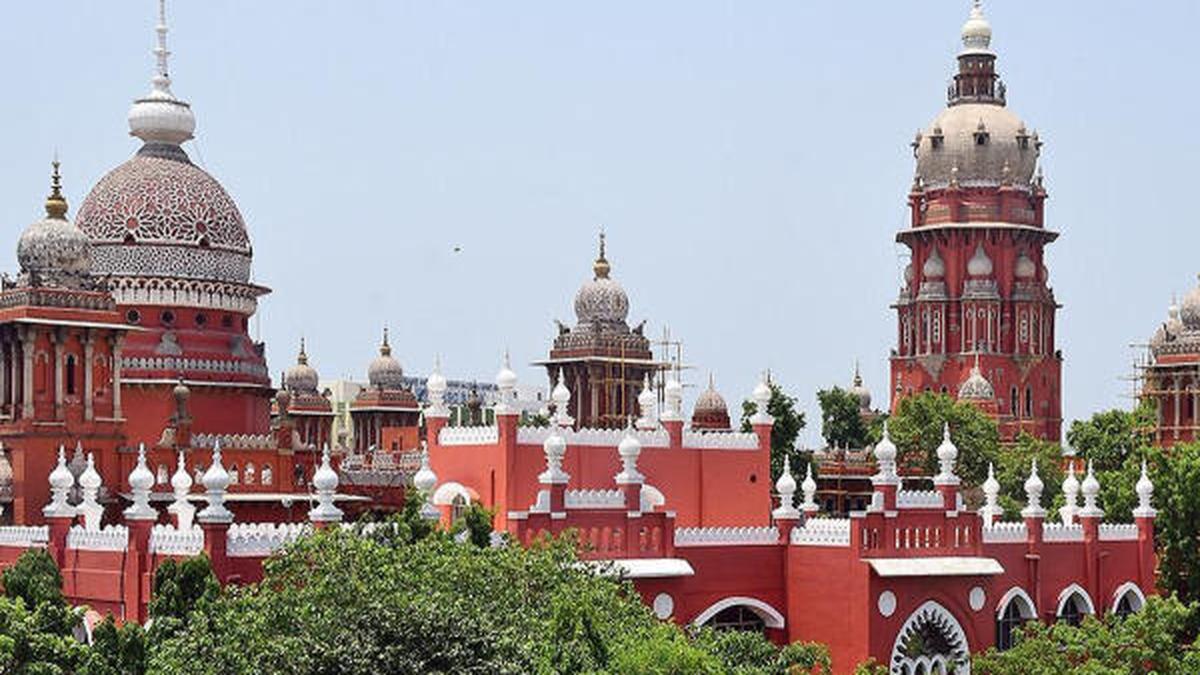
The Madras High Court has directed the Bar Council to collect empirical data on advocates facing criminal charges. Justice D. Bharatha Chakravarthy expressed deep concern over the high volume of criminal cases involving lawyers, warning that such trends threaten the integrity of the justice system.
Judicial Integrity Under Scrutiny
The recent directive from the Madras High Court, led by Justice D. Bharatha Chakravarthy, marks a pivotal moment in the discourse surrounding professional conduct within the Indian legal fraternity. By mandating that the Bar Council of India (BCI) and the Bar Council of Tamil Nadu and Puducherry (BCTNP) collect empirical data on advocates involved in criminal litigation, the court is addressing a growing systemic concern. The observation that 30 to 40 criminal cases involving lawyers appear on the court's docket daily is a stark indicator that the issue is not anecdotal but structural.
The Erosion of Public Trust
Justice Chakravarthy’s emphasis on the 'image of the bar' highlights the precarious relationship between legal practitioners and the public. In a society where the legal profession is viewed as a pillar of justice, the prevalence of criminal records among advocates risks undermining the credibility of the entire justice delivery system. When those tasked with upholding the law become the subjects of criminal investigations, the resulting erosion of public trust can have long-term consequences for the efficacy of the judiciary.
Empirical Data as a Reform Tool
The court’s suggestion to engage 'competent researchers' to gather data is a strategic move toward evidence-based policy reform. By moving beyond speculation and establishing a clear, quantitative picture of the problem, the BCI and BCTNP will be better equipped to implement targeted disciplinary measures. This data-driven approach could serve as a model for other state bar councils, potentially leading to a nationwide initiative to sanitize the profession and ensure that only individuals of high integrity remain in active practice.
Addressing the Daily Caseload
The specific context of the court's observation—stemming from the 'criminal cases quash portfolio'—reveals the sheer volume of work the judiciary is currently managing. The fact that the court is inundated with petitions from advocates and law graduates seeking to quash criminal cases suggests a potential crisis in the recruitment and ethical training stages of the profession. This bottleneck not only consumes valuable judicial time but also highlights a potential disconnect between the standards expected of officers of the court and the reality of their conduct.
Future Trends and Professional Accountability
Looking ahead, this directive will likely force the Bar Councils to adopt more rigorous verification processes for both new entrants and existing members. If the BCI succeeds in creating a comprehensive database of criminal records, it could pave the way for stricter 'good character' requirements and mandatory reporting mechanisms for advocates involved in legal trouble. This shift toward heightened accountability is essential for preserving the sanctity of the courtroom and ensuring that the legal profession remains a bastion of ethical practice in India.
Verification Required?