Magnolias Are So Old That They're Pollinated by Beetles, Not Bees
Source Entity
Hacker News
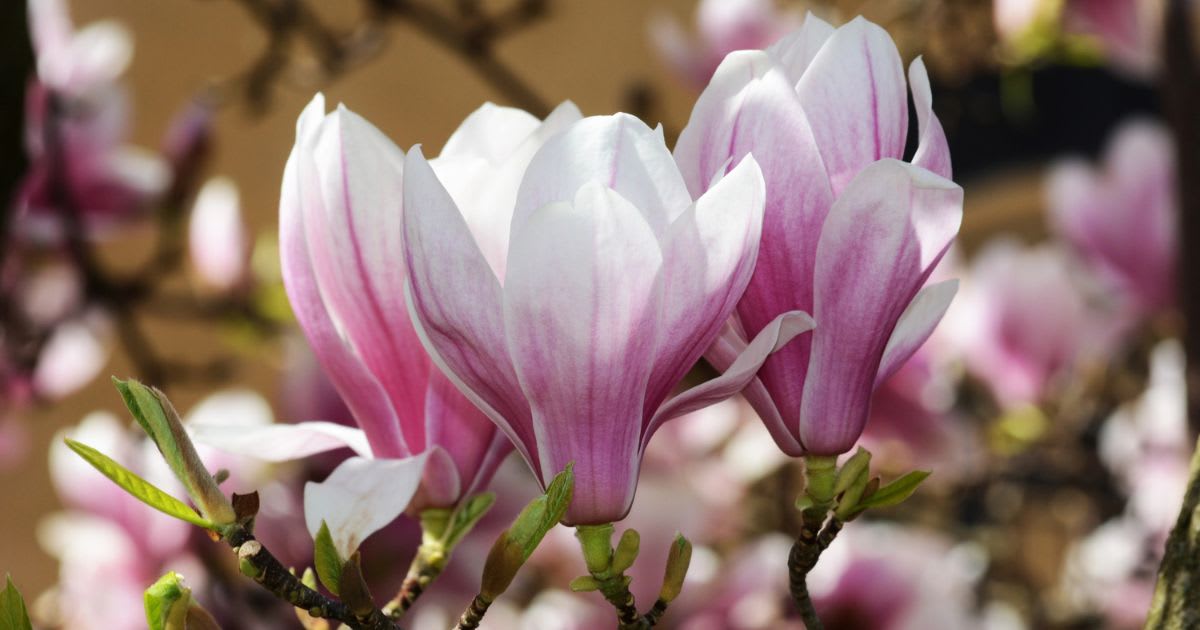
Magnolia trees are among the world's oldest flowering plants, predating the existence of bees by millions of years. Consequently, they rely on beetles for pollination, a symbiotic relationship that has persisted for over 100 million years.
The Ancient Origins of the Magnolia
Magnolias represent a living connection to a prehistoric world, standing as one of the oldest lineages of flowering plants in existence. Named after the 17th-century French botanist Pierre Magnol, these trees have graced the Earth for over 100 million years. Their presence long predates the evolutionary emergence of bees, which are the primary pollinators for the vast majority of modern flowering plants. This historical gap is not merely a botanical curiosity but a fundamental aspect of the magnolia’s biological design.
A Prehistoric Symbiosis: Beetles Over Bees
Because magnolias evolved before bees, they developed specialized reproductive mechanisms to ensure their survival. They rely on beetles—insects that have roamed the Earth for approximately 300 million years—for pollination. Unlike bees, which are highly efficient, specialized pollinators, beetles are more primitive and less selective. To accommodate them, magnolia blooms evolved to be exceptionally tough, featuring thick, leathery petals capable of withstanding the chewing and crawling behaviors of their prehistoric visitors.
Evolutionary Resilience and Adaptation
This ancient relationship offers a fascinating glimpse into evolutionary biology. While many modern plants have adapted to the specific needs and behaviors of bees, butterflies, and hummingbirds, the magnolia has maintained its ancestral reliance on beetles. This resilience is a testament to the success of the plant's design. By utilizing a pollinator that has been present for hundreds of millions of years, the magnolia has successfully occupied a stable ecological niche that remains largely unaffected by the population fluctuations of more modern insect species.
Symbolic and Cultural Significance
Beyond their biological importance, magnolias have held deep symbolic and medicinal significance across various cultures for centuries. Their large, aromatic, and visually striking blooms have made them focal points in landscapes and gardens worldwide. The sheer longevity of the magnolia genus provides a sense of continuity, bridging the gap between the ancient, primitive flora of the Cretaceous period and the diverse botanical landscapes we recognize today.
Future Trends and Botanical Conservation
As we look toward the future, understanding the unique pollination strategies of primitive plants like the magnolia is essential for biodiversity conservation. While modern pollinators face significant threats from habitat loss and climate change, the magnolia’s reliance on beetles highlights the importance of protecting diverse insect populations. Ensuring the health of these ancient floral lineages requires a holistic approach to ecosystem management that values the primitive relationships that have sustained life on Earth for millions of years.