California wiped out 20-pound rodents. DNA suggests someone brought them back
Source Entity
TOI WORLD DESK
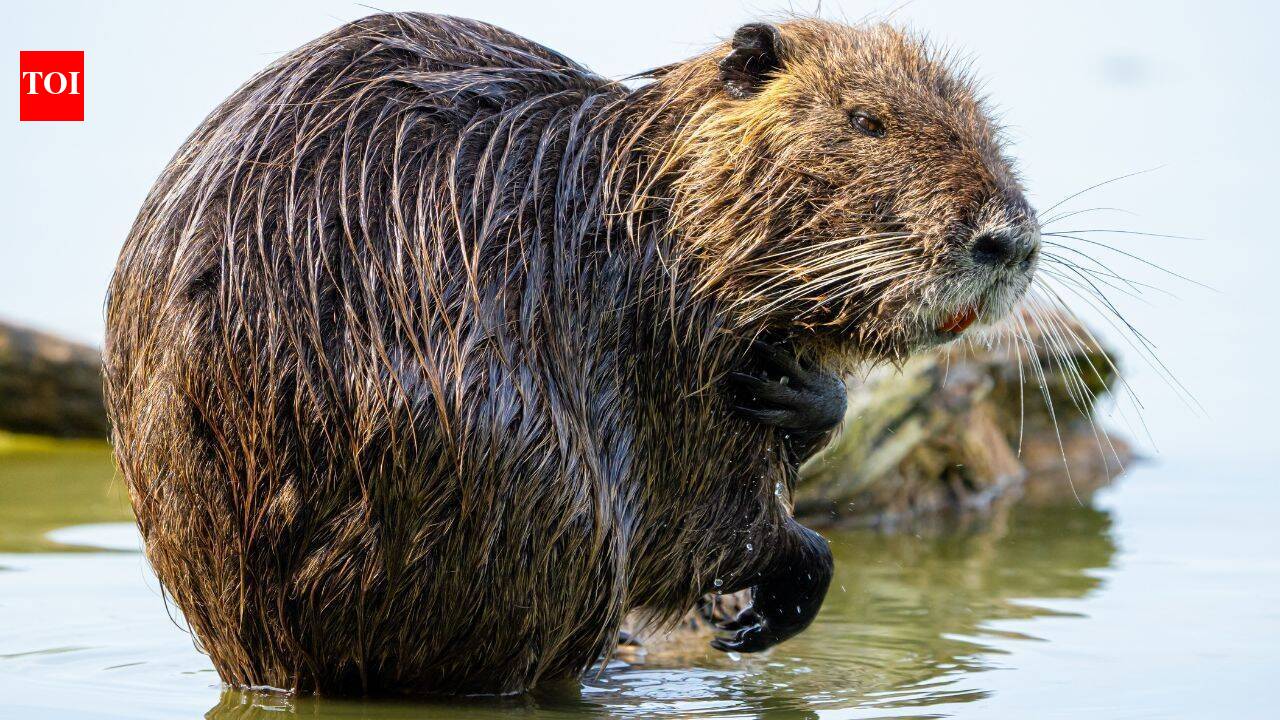
California’s battle against invasive nutria has intensified after a genetic study confirmed human reintroduction of the rodents. These invasive animals pose severe risks to the state's flood control infrastructure and agricultural stability.
The Return of an Invasive Threat: California’s Nutria Crisis
California’s history with the nutria—a large, semi-aquatic rodent capable of significant ecological destruction—has taken a troubling turn. After a decades-long effort that resulted in the successful eradication of the species by the late 1970s, the state has been forced to confront a sudden, unexplained reappearance of the animals in the Central Valley. This resurgence has triggered a scientific investigation into the origins of these invasive populations, revealing a grim reality: the return of the nutria was likely not a natural migration, but a deliberate or accidental act of human reintroduction.
Genetic Evidence of Human Interference
To understand how a species previously wiped out from the region could return, researchers conducted a comprehensive genetic study. By analyzing the DNA of the current nutria population in the Central Valley, scientists have gathered compelling evidence suggesting the rodents were reintroduced by human intervention rather than natural dispersal. This finding is critical, as it reframes the nutria issue from a challenge of natural wildlife management to one of human policy, biosecurity, and potential illegal activity. Understanding the vector of reintroduction is the first step in preventing future outbreaks.
The Ecological and Structural Peril
Nutria are far more than a nuisance; they are highly destructive invasive pests. Their biology is perfectly suited for wetland degradation, as they consume vast quantities of native vegetation, effectively stripping marshes of the plants that stabilize the soil. Even more concerning is their impact on human infrastructure. The rodents’ burrowing habits can severely weaken vital levee systems and flood control structures. In a state like California, where water management and flood protection are fundamental to public safety and economic stability, the presence of these burrowing animals presents a direct threat to the integrity of the state’s water systems.
Agricultural Impact and Economic Costs
Beyond the structural damage, the agricultural sector in the Central Valley faces substantial risks. Nutria are known to decimate crops and disrupt irrigation systems. Because they reproduce rapidly, their population growth can overwhelm local ecosystems before mitigation strategies are fully implemented. The economic implications are significant, as the cost of constant monitoring, trap-and-remove programs, and infrastructure repair places a heavy burden on state resources. The current situation underscores the difficulty of managing a species that is as prolific as it is destructive.
The Necessity of Proactive Management
This discovery highlights a broader lesson in conservation and invasive species management: removal efforts are insufficient without a robust prevention framework. The fact that the nutria were once successfully eliminated proves that eradication is possible, but their return demonstrates that the fight is never truly over. Future management strategies must prioritize not only the physical removal of the rodents but also stringent enforcement against the illegal transport or release of invasive species. By integrating genetic tracking into wildlife management, California can better identify how these populations form, allowing for more targeted prevention policies that protect the state’s delicate ecological balance and critical infrastructure.