Maharashtra’s anti-conversion law takes effect
Source Entity
Latest News: Todays Latest News Headlines from India & World | Hindustan Times | Hindustan Times
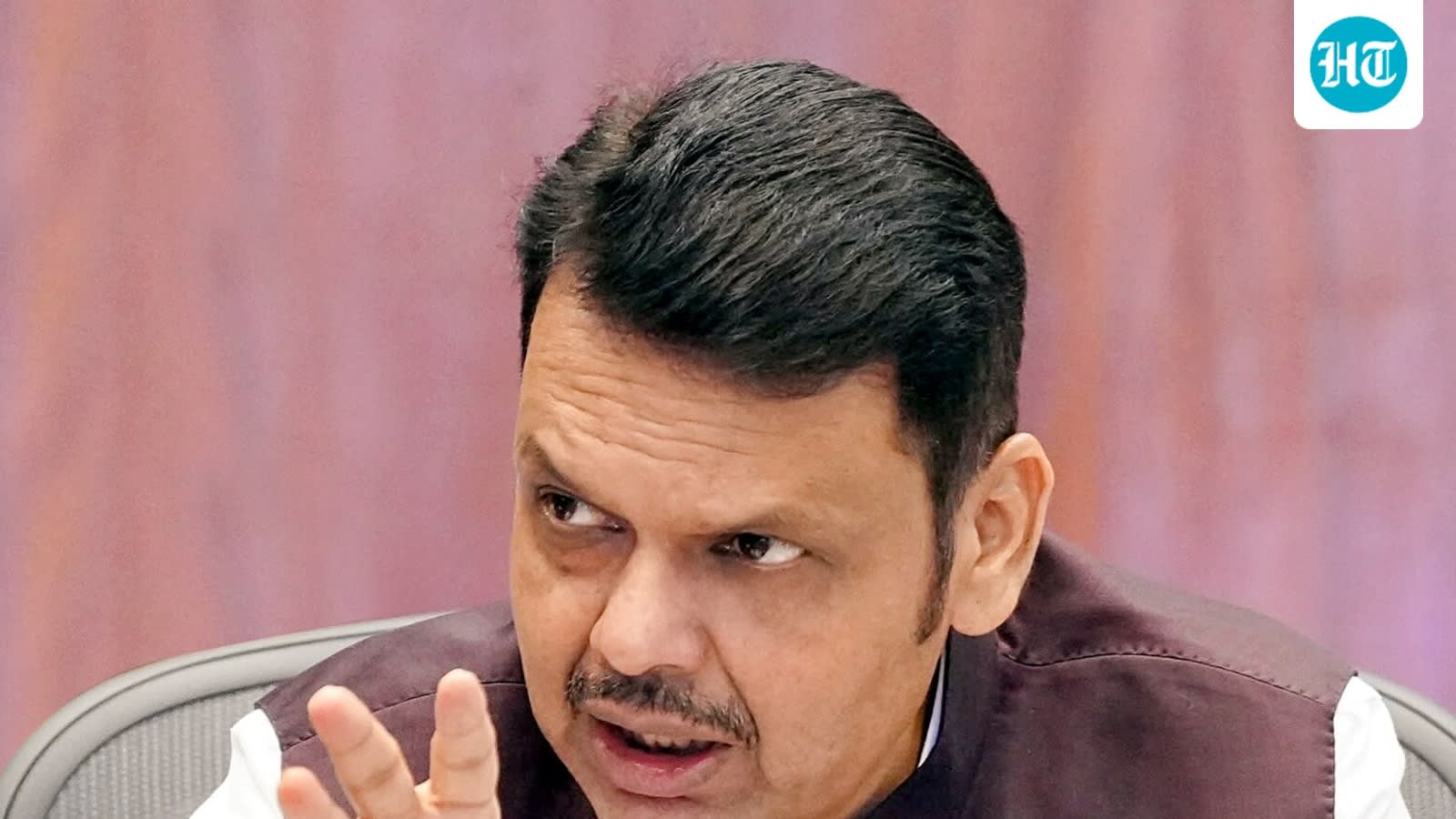
Maharashtra has officially implemented the Freedom of Religion Act, becoming the 13th Indian state to enact anti-conversion legislation. The law criminalizes religious conversions achieved through force, fraud, or marriage, following presidential approval.
Maharashtra Implements Anti-Conversion Legislation
Maharashtra has officially joined the ranks of Indian states regulating religious conversion, becoming the 13th state to notify an anti-conversion law. The 'Maharashtra Freedom of Religion Act' was brought into effect on July 30 following the publication of the legislation in the state’s official gazette. This development follows the formal approval granted by President Droupadi Murmu on July 17, which provided the necessary legal clearance for the state government to proceed with implementation.
Understanding the Legislative Scope
The core of this new legislation centers on the prohibition of religious conversions achieved through specific, non-consensual, or deceptive means. The law explicitly criminalizes conversions carried out via force, allurement, fraud, or inducement. By categorizing these actions as cognizable offenses, the state government has significantly heightened the legal stakes for individuals or organizations involved in conversion activities that fall under these definitions.
The Intersection of Marriage and Law
A particularly contentious aspect of the Act is its application to interfaith marriages. The legislation encompasses situations where conversion is alleged to have occurred in the context of marriage. By including marriage as a potential vehicle for prohibited conversion, the law aligns with similar statutes in other Indian states, which have frequently been the subject of intense public and legal debate regarding individual autonomy and the right to choose one's faith.
Broader Implications for State Policy
The implementation of this Act reflects a growing trend in Indian governance, where states are increasingly asserting legislative control over religious practices. As the 13th state to adopt such a measure, Maharashtra’s decision highlights the complex balance between maintaining public order and upholding constitutional rights. Legal experts and civil society organizations continue to monitor these developments, often citing the 'basic structure' doctrine as a touchstone for evaluating the constitutionality of such restrictive laws.
Future Trends and Judicial Scrutiny
Looking ahead, the enforcement of the Maharashtra Freedom of Religion Act is likely to invite rigorous judicial scrutiny. As with similar laws in other jurisdictions, the courts will be the ultimate arbiters in determining how these provisions interact with the fundamental rights guaranteed under the Indian Constitution. The state government, led by figures including Chief Minister Devendra Fadnavis, will face the dual challenge of implementing the law while navigating the inevitable legal and social challenges that arise from its application.
Conclusion
In summary, the notification of the Maharashtra Freedom of Religion Act marks a significant shift in the state's legislative landscape. By criminalizing forced or fraudulent conversions, the state has positioned itself firmly within a growing national framework of religious regulation. The coming months will be critical in observing how the law is applied on the ground and whether it withstands the inevitable challenges regarding its impact on personal liberty and religious freedom.
Verification Required?