Live tracking, CCTV, capped fares: How Maharashtra’s new school bus rules affect your child
Source Entity
Ishika Gupta
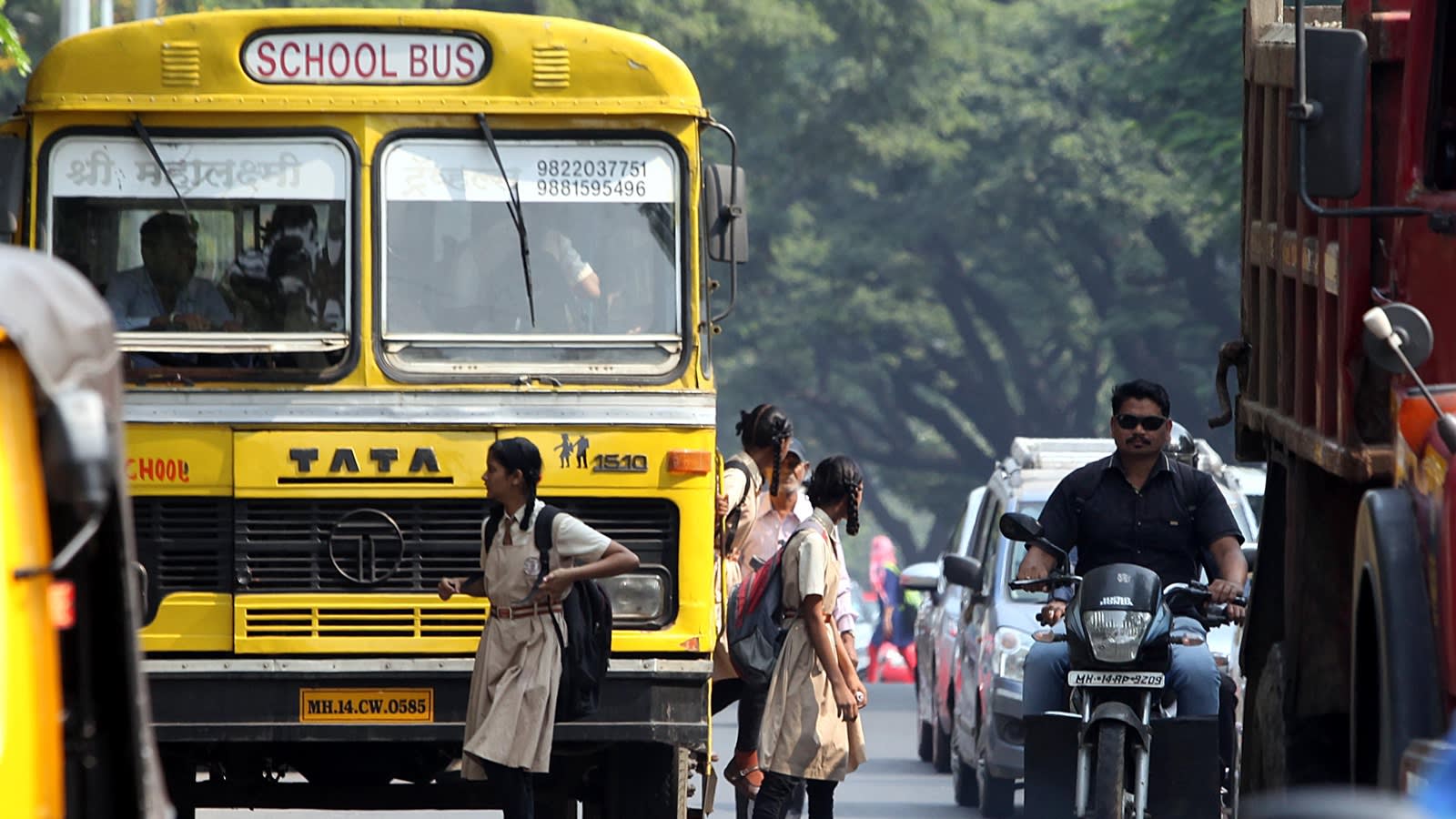
Maharashtra has implemented new school bus regulations mandating GPS tracking, CCTV surveillance, and digital attendance for student safety. Additionally, Regional Transport Authorities (RTAs) will now regulate bus fares to prevent arbitrary pricing by operators.
Enhancing Student Transit: An Analysis of Maharashtra's New School Bus Framework
Maharashtra has introduced a comprehensive set of regulations under the Maharashtra Motor Vehicles (Regulations for School Buses) to overhaul the safety and financial transparency of student transportation. This policy shift represents a significant move by the state government to transition school transport from an unregulated private service to a structured, monitored public utility. By integrating both technological safeguards and economic controls, the state aims to alleviate parental anxiety and standardize the quality of transit across diverse urban and rural landscapes.
Regulatory Shift in Fare Structures
One of the most impactful aspects of these new rules is the end of arbitrary pricing by school bus operators. For the first time, school bus fares have been brought under an official regulatory framework, granting Regional Transport Authorities (RTAs) the power to fix fare structures. Historically, transport operators often held a monopoly over specific routes, leading to inconsistent and sometimes exorbitant pricing for parents. By empowering the RTA, the government is introducing a level of price stability and accountability, ensuring that transport costs remain fair and transparent.
The Integration of Surveillance and Live Tracking
To address safety concerns, the state has mandated the installation of GPS tracking and CCTV cameras in all school transport vehicles. The most innovative feature of this mandate is the requirement for these systems to be accessible to parents via a mobile application. This allows for real-time monitoring of a child's journey, effectively eliminating the 'black box' of school transit. The ability to access CCTV footage provides a critical layer of security, acting as both a deterrent for misconduct and a tool for evidence in the event of an incident, thereby shifting the burden of surveillance from the parent to a systemic, technology-driven approach.
Hardware Safety and Digital Accountability
Beyond surveillance, the regulations emphasize physical safety and administrative precision. The mandate for seat belts and panic buttons addresses the immediate physical risks of road travel, ensuring that students are secured and have a direct means of alerting authorities during emergencies. Furthermore, the introduction of digital attendance systems solves a recurring logistical nightmare for schools: ensuring no child is accidentally left behind or unaccounted for during transit. This digitalization of attendance reduces human error and provides a verifiable digital trail of every student's movement.
Broader Implications and Future Trends
This regulatory move reflects a broader global trend toward the 'smart-city' integration of public services, where IoT (Internet of Things) devices like GPS and CCTV are used to govern safety. For Maharashtra, the challenge will lie in the enforcement of these rules across thousands of operators, many of whom may struggle with the initial capital expenditure of installing this technology. However, the long-term trend suggests that as these standards become the baseline, we will see a professionalization of the school transport industry, where safety ratings and regulatory compliance become key competitive advantages for operators.
Conclusion
In summary, the new Maharashtra school bus rules represent a holistic approach to student welfare. By addressing both the financial burden on parents through RTA-capped fares and the physical safety of students through high-tech surveillance and hardware, the state is setting a new benchmark for educational logistics. This framework not only protects the students but also provides a scalable model for other Indian states to follow in their pursuit of safer, more transparent school transport systems.