Held after massive search, TET leak key accused taken to Bihar to recover evidence: police
Source Entity
Manish Kumar Pathak
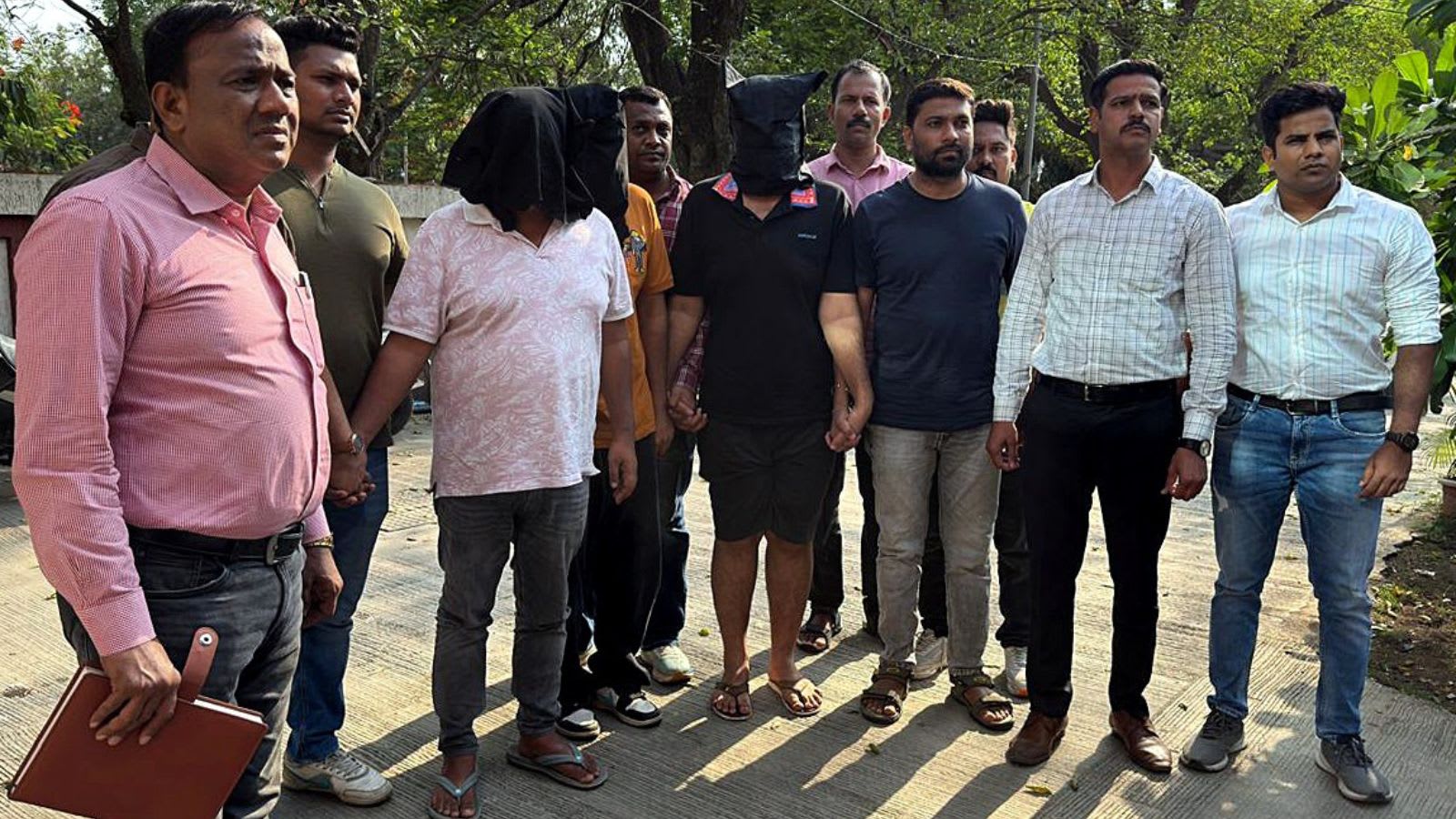
The SIT has arrested the 15th suspect in the Maharashtra TET paper leak case following the surrender of an Agra resident. Key accused Bijendra Gupta is currently in police custody as investigators trace the network of the printing press-based conspiracy.
The Maharashtra TET Scandal: Unraveling a Multi-State Conspiracy
The investigation into the Maharashtra Teacher Eligibility Test (TET) paper leak has reached a critical juncture with the arrest of a 15th suspect, an Agra resident named Sonu Kumar Diwakar. Diwakar, who surrendered before the Bhiwandi court, is accused of acting as a crucial link in the chain of custody for the leaked documents. By facilitating the transfer of the stolen question papers from employees at the Agra-based Mahim Patran Pvt Ltd to the primary mastermind, Bijendra Gupta, Diwakar’s role underscores the systemic vulnerability of high-stakes examination security.
The Mechanics of the Breach
Evidence gathered by the Special Investigation Team (SIT) reveals a sophisticated, if brazen, method of theft. Internal employees at the printing press allegedly smuggled the physical question papers out of the facility by hiding them beneath their shoe insoles. This method highlights a significant failure in physical security protocols at the printing press level, where insider threats bypassed standard surveillance. The transition from these employees to an intermediary like Diwakar—and eventually to Gupta—demonstrates a well-coordinated criminal enterprise operating across state lines.
The Manhunt for Bijendra Gupta
The arrest of the key accused, Bijendra Gupta, represents a major victory for the SIT. Gupta’s capture followed a three-week period of intensive evasion, during which he moved between Delhi, Bihar, and Uttar Pradesh. His attempt to remain undetected by cutting ties with family and relying on intermediaries failed only after the deployment of 75 police personnel across four states. The use of advanced surveillance technology allowed the SIT to pierce through his calculated movements, eventually leading to his arrest in Bihar.
Investigative Developments in Bihar
Following his capture, the SIT has taken Gupta to Bihar to verify facts and recover further evidence. This stage of the investigation is vital for mapping the full extent of the conspiracy. By tracing his steps and recovering digital or physical assets in Bihar, authorities aim to corroborate the testimony provided by other suspects and solidify the case for prosecution. This cross-state cooperation between Maharashtra and Bihar police is essential for dismantling such a geographically dispersed network.
Broader Implications and Future Trends
This case serves as a stark reminder of the challenges facing public sector examination integrity in India. The involvement of private printing presses necessitates a complete overhaul of how sensitive materials are printed, stored, and transported. As investigative agencies continue to utilize more advanced surveillance techniques, criminal syndicates may face increased difficulty in evading capture. However, the recurring nature of such leaks suggests that until the entire supply chain—from the press floor to the examination center—is secured with incorruptible digital and physical safeguards, the threat to educational equity remains high. Future legislative and administrative efforts will likely focus on stricter auditing of private partners to prevent similar breaches in the future.
Multiple Citing Sources