Mahasweta Devi at 100: Why her greatest legacy lies in the Adivasi movements she helped build
Source Entity
India Latest News: Top National Headlines Today & Breaking News | The Hindu
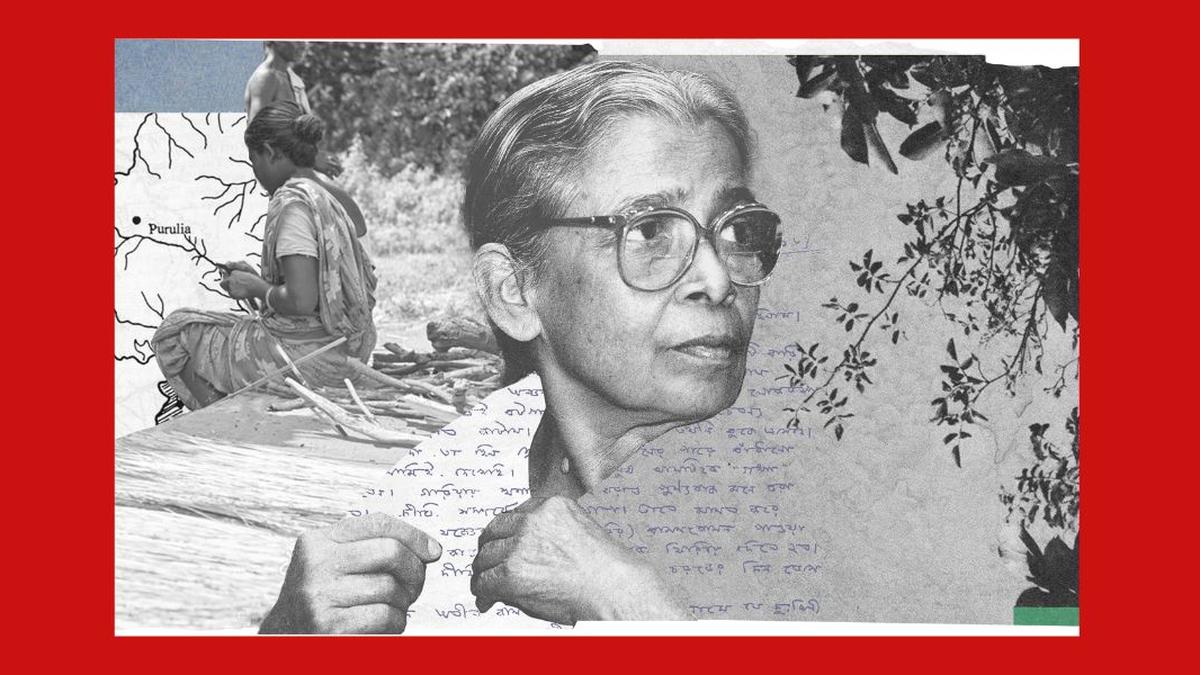
Mahasweta Devi's legacy is defined by her synthesis of literature and grassroots activism for Adivasi and Dalit communities. From legal battles for the Sabars to empowering writers like Manoranjan Byapari, she transformed writing into a tool for political liberation.
The Enduring Legacy of Mahasweta Devi: Beyond the Written Word
Mahasweta Devi was far more than a literary figure; she was a catalyst for social transformation who viewed the act of writing as an extension of political struggle. Born in Dhaka and nurtured in the intellectual atmosphere of Santiniketan, Devi dedicated her life to documenting the lives of those relegated to the margins of Indian society—specifically Adivasis and women. Her work sought to challenge the systemic erasure of these groups, refusing to allow their complex lived experiences to be reduced to mere statistics or anecdotal evidence in historical records.
Literature as a Political Practice
For Devi, literature was never an end in itself but a means of engagement. She pioneered a form of 'activist-writing' where the narrative served as a bridge to real-world mobilization. This is most evident in her relationship with the Sabar community. Devi did not simply write about the injustices faced by the Sabars; she actively intervened in their legal and social struggles. Her decision to write to the Chief Justice of the Calcutta High Court to demand a second post-mortem for a victim highlights her role as a fierce advocate who used her intellectual standing to hold the state accountable for the deaths of marginalized citizens.
Democratizing the Narrative: The Case of Manoranjan Byapari
One of the most poignant examples of Devi's commitment to grassroots empowerment is her encounter with Manoranjan Byapari. By recognizing the intellectual potential in a rickshaw-puller, Devi challenged the traditional hierarchies of Indian literature, which had long been dominated by upper-caste voices. By urging Byapari to write for Bortika, the working-class magazine she edited, she provided a platform for Dalit voices to emerge from the shadows. The discussion around the word jijivisha—the enduring will to live—serves as a metaphor for the resilience of the oppressed and Devi's role in nurturing that resilience into a literary force.
Historical Context and the Subaltern Struggle
Devi's work emerged during a period of intense social upheaval in Bengal, coinciding with the rise of Naxalite movements and a growing consciousness regarding caste and tribal rights. Her approach was rooted in the understanding that the Adivasi struggle was not merely about poverty, but about land, identity, and dignity. By focusing on the intersection of gender and ethnicity, she highlighted how Adivasi women faced a double burden of oppression, making her work foundational to the intersectional feminist discourse in India.
Future Implications and the Path Forward
Mahasweta Devi's legacy continues to shape contemporary movements for social justice in India. Her model of 'engaged intellectualism' provides a blueprint for current activists and writers who seek to bridge the gap between academia and the grassroots. As India continues to grapple with the rights of forest-dwelling communities and the empowerment of Dalit-Bahujan voices, Devi's insistence on the 'will to live' and the necessity of self-representation remains critically relevant. The transition of figures like Byapari from the periphery to the center of literary discourse is a direct result of the space she created.
Conclusion
Mahasweta Devi's life was a testament to the power of empathy coupled with action. By integrating her literary prowess with a relentless pursuit of justice for the Sabars and other marginalized groups, she ensured that her legacy would not be confined to library shelves, but would live on in the ongoing movements for human rights and dignity across India.
Verification Required?