Mamdani Defends City-Run Grocery Plan as Legal Challenges Mount in New York
Source Entity
Latest News: Todays Latest News Headlines from India & World | Hindustan Times | Hindustan Times
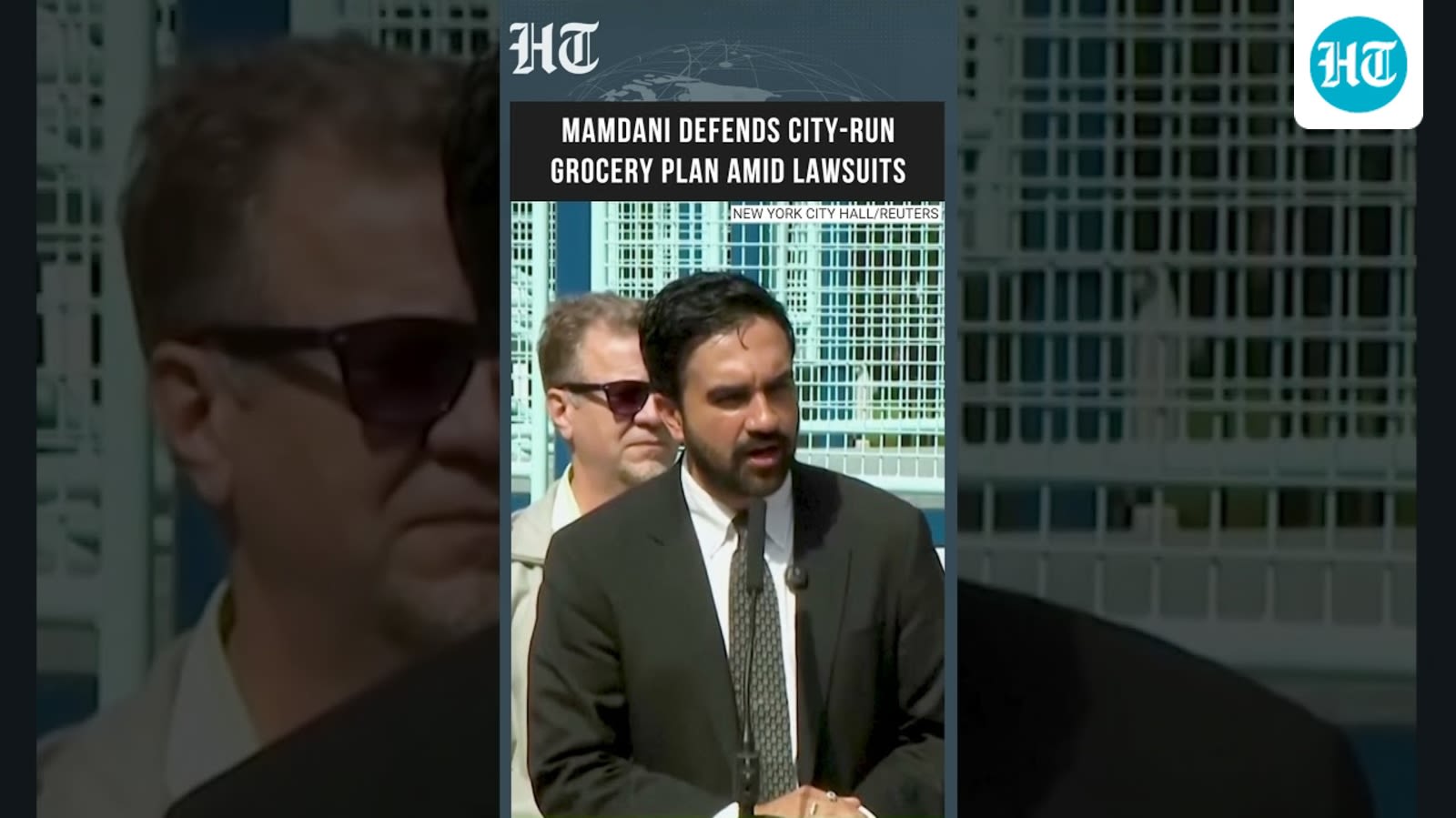
New York City Mayor Zohran Mamdani is pushing forward with a plan to launch five municipal grocery stores aimed at reducing food costs by 30%. The initiative is currently facing significant legal opposition from local business groups concerned about government market intervention.
The Municipal Grocery Initiative: A New Frontier in New York City Policy
New York City Mayor Zohran Mamdani has initiated a bold and controversial strategy to combat food insecurity by proposing the opening of five city-run grocery stores. This plan, which seeks to provide residents with a core basket of essential goods at prices approximately 30% lower than standard retail, represents a significant shift in how municipal governments address the cost-of-living crisis. By intervening directly in the food supply chain, the administration aims to bypass traditional retail markups and provide a tangible economic relief valve for citizens struggling with inflation.
The Economic Rationale for State-Led Retail
The fundamental premise behind the Mayor's plan is the mitigation of food price volatility. By leveraging the city's scale to purchase and distribute essential staples, the administration argues it can achieve economies of scale that private retailers, burdened by real estate costs and profit margins, cannot match. The 30% price reduction target is designed to make a meaningful dent in the household budgets of low-to-moderate-income families, positioning the city as a direct competitor in the marketplace to ensure basic nutritional needs are met at affordable rates.
Legal Challenges and Market Objections
However, the initiative has triggered immediate pushback from business advocacy groups. These organizations argue that municipal entry into the grocery sector creates an uneven playing field, potentially threatening the viability of existing small and independent grocers who cannot compete with subsidized city-run prices. Legal challenges currently mounting against the administration highlight a broader ideological conflict: the extent to which a city government should act as a commercial provider rather than a regulator of private enterprise.
Navigating the Regulatory Landscape
As the legal battles proceed, the administration faces the complex task of navigating procurement laws, labor regulations, and zoning ordinances that were never designed for a city-operated grocery chain. The outcome of these legal challenges will likely set a precedent for future public-sector market interventions. If successful, this model could be replicated in other urban centers facing similar food deserts and affordability crises; if blocked, it will serve as a stark reminder of the limits of municipal power in a market-based economy.
Broader Implications for Urban Governance
This dispute underscores a growing trend in urban governance where mayors are increasingly exploring 'third-way' economic solutions to address systemic social issues. By moving beyond traditional social programs and into direct service provision, Mayor Mamdani is testing the boundaries of city authority. The tension here is not merely legal—it is a debate over the role of local government in the 21st century, specifically whether the state should function as a provider of last resort to stabilize essential commodity pricing.
Future Outlook and Sustainability
Looking ahead, the success of these five pilot stores will depend on their operational efficiency and public adoption. If the city can demonstrate that it can run these stores without incurring massive operational deficits, the political capital of the administration will grow significantly. Conversely, any failure to sustain these locations could provide ammunition to critics who argue that government-run retail is inherently inefficient and prone to mismanagement. Ultimately, the city’s ability to defend its plan in court will determine whether this experiment becomes a blueprint for future food security policy in the United States.
Verification Required?