Govt seeks 2 years to frame creamy layer criteria for PSU, private staff kids
Source Entity
DHANANJAY MAHAPATRA
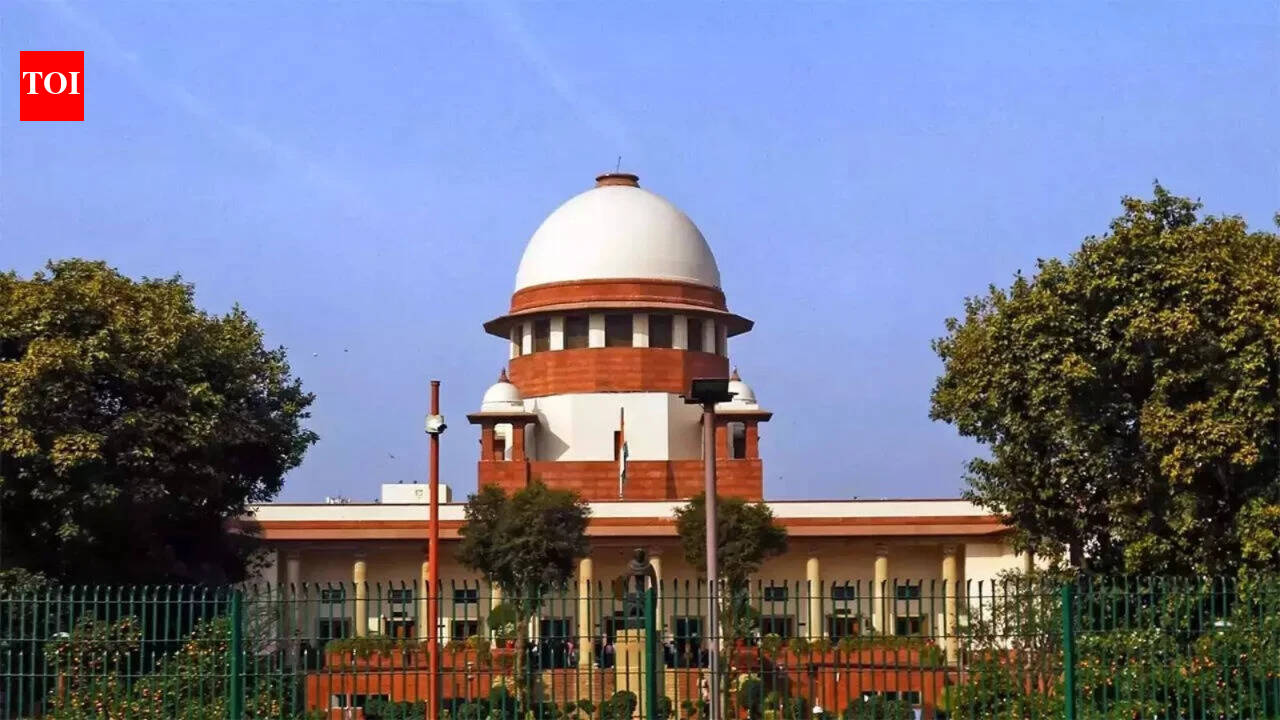
The Centre has petitioned the Supreme Court for clarification on implementing the March 11 judgment regarding OBC creamy layer criteria. The government seeks to proceed with service allocation for 958 CSE-2025 candidates using pre-verdict criteria, citing administrative complexities.
The Legal Challenge to OBC Creamy Layer Implementation
The Union Government, through the Department of Personnel and Training (DoPT), has moved the Supreme Court seeking urgent clarifications regarding the implementation of the March 11 judgment concerning the 'creamy layer' criteria for Other Backward Classes (OBC). This judicial intervention follows a landmark ruling that fundamentally altered how parental income and professional status are assessed for reservation eligibility in the Civil Services Examinations (CSE).
The Core of the Judicial Shift
On March 11, the Supreme Court ruled that parental income cannot be the sole determinant for identifying the creamy layer among OBC candidates. The Court specifically scrutinized a 2004 DoPT letter, finding it problematic in its application of the income/wealth test. This ruling was particularly significant for candidates whose parents are employed in Public Sector Undertakings (PSUs) or the private sector, where post-equivalence with government positions had historically been ambiguous.
Administrative Hurdles and the CSE-2025 Batch
The Centre’s plea for clarification is heavily driven by the imminent logistical requirements of the CSE-2025 recruitment cycle. With the Foundation Course at the Lal Bahadur Shastri National Academy of Administration (LBSNAA) approaching, the government is tasked with the service allocation of 958 candidates recommended by the Union Public Service Commission (UPSC). The DoPT argues that applying the March 11 verdict retrospectively to this cohort presents significant procedural challenges.
Seeking a Special Bench
Recognizing the complexity of the matter, the Supreme Court has agreed to constitute a special Bench to hear the Centre’s plea. The government’s primary contention is that the current administrative framework is better suited to the pre-verdict criteria for these specific candidates. The government has expressed concerns that a sudden shift in policy for ongoing selections could disrupt the long-standing verification processes already in motion.
Broader Implications for Reservation Policy
The ongoing legal discourse underscores the tension between evolving judicial interpretations of social justice and the administrative realities of government recruitment. While the March 11 verdict aims to provide greater clarity and fairness to candidates by moving away from over-reliance on parental income, the government’s plea highlights the friction inherent in translating these judicial principles into practice.
Future Trends and Judicial Oversight
The outcome of the special Bench hearing will likely set a precedent for how the government handles the transition between legacy criteria and new judicial mandates. As the judiciary continues to refine the definition of the 'creamy layer,' future recruitment cycles will likely require more robust, transparent mechanisms for determining socioeconomic status, balancing the need for equitable access with the necessity of administrative stability.
Multiple Citing Sources