'Not getting into back-and-forth': Mamdani shrugs off Netanyahu's 'hate' charge
Source Entity
TOI WORLD DESK
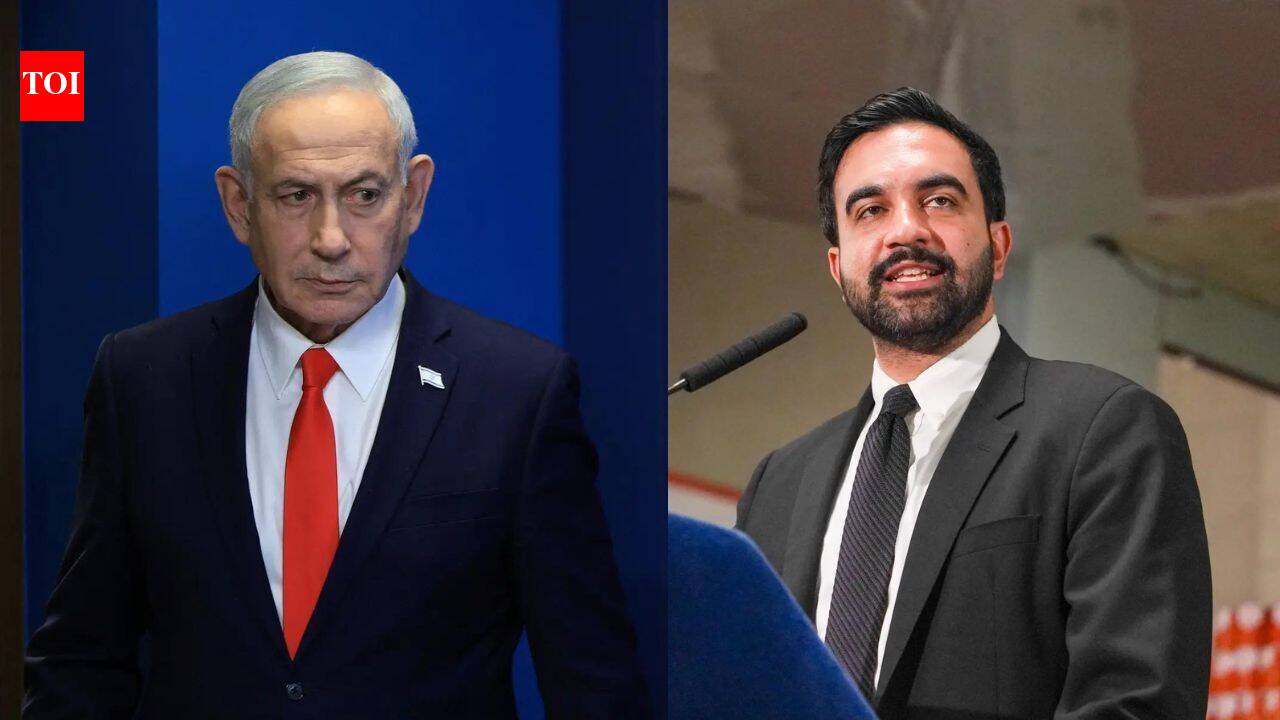
Mahmood Mamdani has declined to engage in a public dispute following accusations of 'hate' leveled against him by Israeli Prime Minister Benjamin Netanyahu. The exchange occurs amidst high-level diplomatic activity as Netanyahu prepares for a critical visit to the White House.
Diplomatic Tensions and Public Rhetoric
The recent exchange between Israeli Prime Minister Benjamin Netanyahu and scholar Mahmood Mamdani highlights the increasingly fraught intersection of academic discourse and international diplomacy. By labeling Mamdani’s positions as 'hate,' Prime Minister Netanyahu has utilized high-profile rhetoric to frame the narrative surrounding his critics as he prepares for a significant diplomatic mission to the White House. This move serves to consolidate support among his domestic base and international allies by delegitimizing dissenting academic perspectives.
The Strategy of Refusal
Mahmood Mamdani’s decision to adopt a position of 'not getting into a back-and-forth' is a calculated rhetorical strategy. By refusing to engage directly with the Prime Minister’s characterization, Mamdani effectively denies Netanyahu the platform of a polarized debate, which would likely have intensified media scrutiny and shifted focus away from the underlying substantive critiques of Israeli policy. This detachment allows the scholar to maintain academic distance from the political theater being played out on the global stage.
Contextualizing the White House Visit
The timing of this confrontation, occurring immediately before a scheduled visit to the White House, is significant. The Israeli Prime Minister is likely navigating a delicate balance of domestic political pressure and the need to present a unified front to the United States administration. By casting academic critics in a negative light, the Prime Minister seeks to preemptively address potential diplomatic friction that might arise during his meetings with U.S. officials, ensuring that his administration’s narrative remains dominant.
The Broader Impact on Academic Freedom
This incident underscores a growing trend where political leaders increasingly target academic figures to shape public opinion on sensitive foreign policy matters. When heads of state engage in direct verbal conflicts with intellectuals, it risks chilling open debate and narrowing the scope of legitimate inquiry regarding international conflicts. The labeling of scholarly critique as 'hate' is a powerful tool in modern political communication, designed to silence opposition rather than address the intellectual substance of the arguments presented.
Future Trends in Political Discourse
Looking forward, we can expect that the intersection of high-stakes diplomacy and public intellectualism will remain volatile. As political leaders leverage digital media and global press cycles to manage their image, scholars and commentators will be increasingly forced to decide between engaging in hostile rhetorical cycles or maintaining a principled, albeit quiet, stance. This event serves as a microcosm for the larger challenges facing global discourse in an era of heightened political polarization.