Hunting trip gone wrong? Man’s death at Mumbai national park, where poaching remains a threat
Source Entity
Pratip Acharya
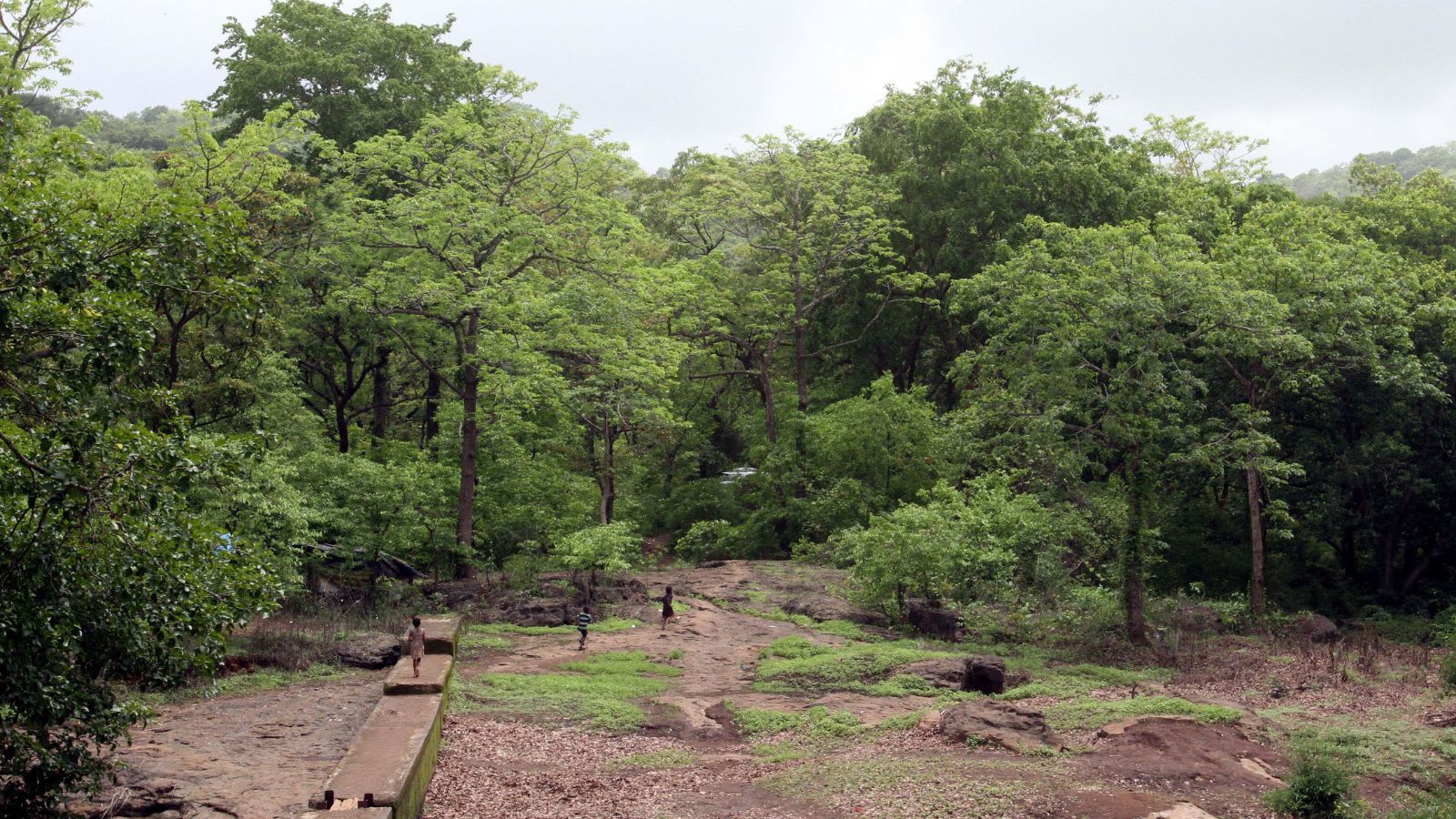
A 60-year-old man was found dead in Mumbai's Sanjay Gandhi National Park after being shot, highlighting the persistent issue of illegal poaching. Authorities suspect the victim may have been involved in the hunting activity that led to his accidental death.
The Tragic Intersection of Urbanization and Poaching in Mumbai
The recent death of 60-year-old Vijay Sukharu Sapte inside the Sanjay Gandhi National Park (SGNP) serves as a grim reminder of the clandestine activities occurring within one of the world's most unique urban forests. While Mumbai is defined by its dense infrastructure and expanding housing colonies, the presence of a protected wildlife sanctuary creates a complex friction point. The incident, where a man was fatally shot under the assumption he was a wild boar, exposes the stark reality that poaching remains an active, albeit illicit, threat within city limits.
The Challenge of Protecting Urban Wilderness
SGNP is an ecological marvel, acting as a crucial lung for a metropolis of millions. However, its vast and rugged terrain presents a formidable challenge for forest officials tasked with conservation. The park is home to a variety of fauna, including wild boars, deer, and hares, which remain prime targets for poachers seeking meat and hides. Despite the encroaching concrete jungle, the park's interior remains deep and difficult to patrol, allowing illegal hunting parties to operate under the cover of the dense canopy.
Investigating the Incident
Preliminary reports from the forest department indicate that Sapte, a civic worker, was discovered approximately 450 meters inside the park boundaries on October 20. The nature of his death suggests a tragic case of mistaken identity, a common danger in illegal hunting scenarios where participants lack professional coordination and visibility. Perhaps most startling is the suspicion held by officials that the victim was not an innocent bystander, but rather an active participant in the hunting group that committed the shooting.
The Broader Implications for Wildlife Conservation
This incident forces a re-evaluation of how we perceive urban conservation. It is often assumed that proximity to a massive urban population acts as a deterrent to environmental crimes, but the SGNP case suggests that high population density may actually provide cover for those who exploit the park. When individuals from surrounding areas like Mira Bhayandar engage in poaching, the distinction between 'urban dweller' and 'poacher' becomes blurred, creating a difficult enforcement landscape for authorities who must balance public safety with wildlife protection.
Future Trends and Security Measures
Moving forward, the forest department faces the arduous task of intensifying surveillance within the park's deeper zones. Relying on traditional patrolling methods may no longer be sufficient to deter sophisticated poaching groups. The integration of advanced tracking technology, increased community engagement to discourage poaching, and stricter enforcement of park boundaries will be essential. If these measures are not prioritized, the park risks becoming a site of regular violence rather than a sanctuary for biodiversity, potentially endangering both the wildlife and the human populations living on its periphery.