3 years after Maratha quota protester’s death, widow awaits promised government job
Source Entity
Shubham Kurale, Pavan Khengre
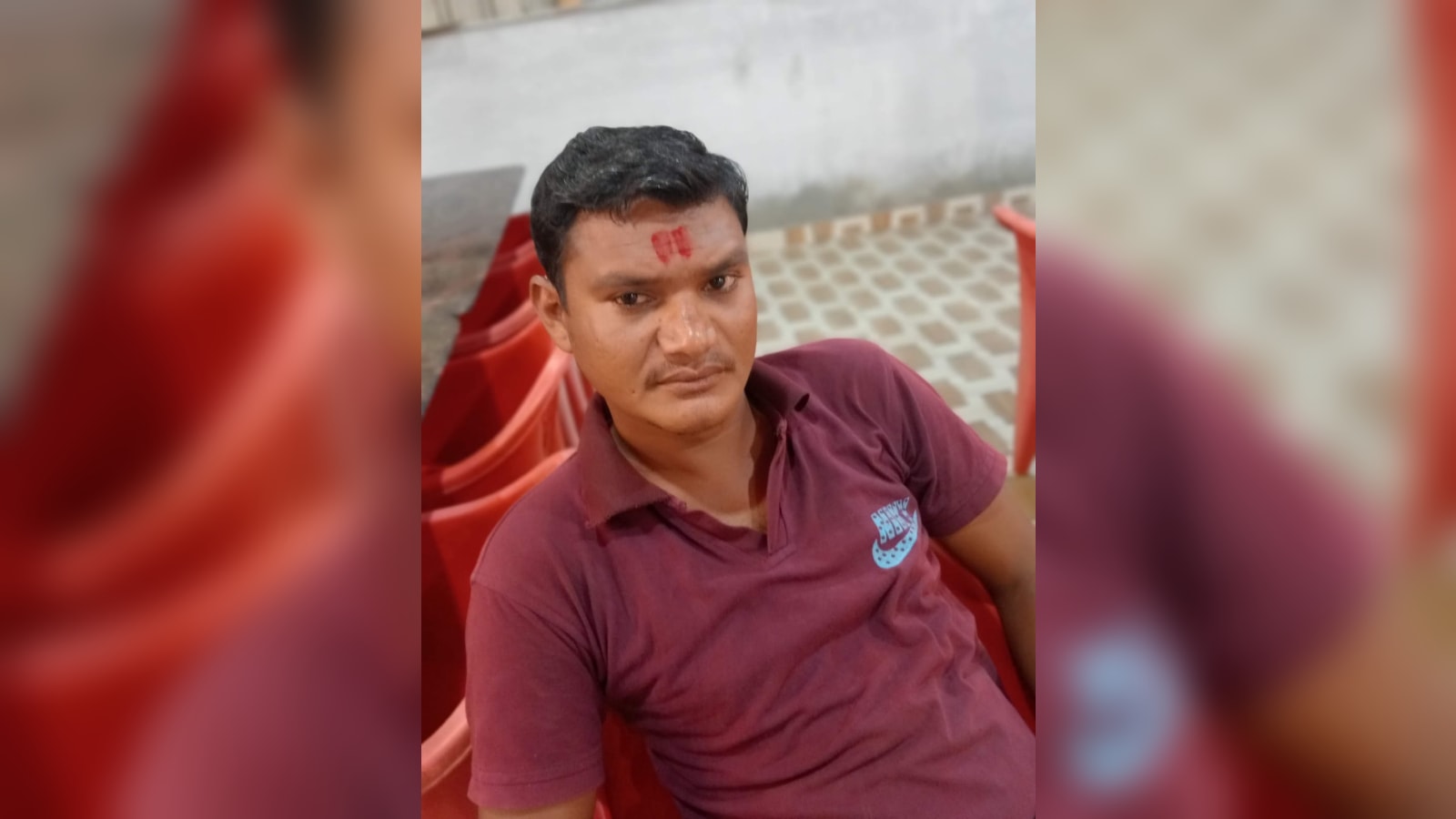
Three years after the death of Maratha quota activist Shahaji Haribhau Kadam, his widow Nishanta Kadam remains without the promised government job. Despite official assurances, bureaucratic delays have stalled her appointment to the MSRTC.
The Human Cost of the Maratha Quota Agitation
The ongoing struggle for Maratha reservation in Maharashtra has been marked by deep political volatility and profound personal tragedy. At the center of this narrative is the case of 34-year-old Shahaji Haribhau Kadam, who died by suicide in September 2023. His death occurred during a period of intense agitation, specifically linked to the state-wide protests spearheaded by activist Manoj Jarange-Patil. For Kadam’s widow, 28-year-old Nishanta Kadam, the political upheaval has translated into a grueling, multi-year struggle for the basic dignity of state support.
The Gap Between Promise and Policy
Following the tragic event in Yermala village, the government had extended a promise of employment to Nishanta Kadam as a form of compensation for her loss. Specifically, the proposal involved a position as a conductor within the Maharashtra State Road Transport Corporation (MSRTC). However, the transition from political rhetoric to administrative reality has been marked by significant inertia. Despite Nishanta’s proactive efforts—including the submission of all required documentation and persistent follow-ups at government offices—the promised position remains unfulfilled.
Bureaucratic Hurdles and Administrative Stagnation
The situation highlights a recurring issue in Indian administrative processes: the disconnect between high-level policy announcements and the execution of relief measures for bereaved families. Nishanta Kadam has been met with repetitive verbal assurances rather than concrete appointment orders. This administrative limbo not only denies her financial stability but also underscores the systemic challenges faced by ordinary citizens when attempting to navigate state bureaucracy, especially in the context of politically sensitive movements.
The Broader Socio-Political Context
The Maratha reservation movement remains one of the most significant socio-political issues in Maharashtra, exerting immense pressure on the state government to deliver on quotas. The death of activists during these protests has often served as a flashpoint for further agitation. By failing to honor individual commitments to families like the Kadams, the government risks alienating the very base it seeks to appease. The case of the Kadam family serves as a microcosm of the broader friction between the state’s political commitments and its administrative capacity.
Future Implications and Conclusion
As the Maratha quota issue continues to evolve through legal and legislative channels, the plight of families left behind remains a critical measure of the government's accountability. If the state cannot ensure the welfare of those who lost their lives in the pursuit of a cause, it faces growing skepticism regarding its broader policy implementation. For Nishanta Kadam, the fight for a conductor’s post in the MSRTC is more than just a job hunt—it is a test of the state’s integrity in honoring its solemn promises to its citizens.