Raj Thackeray deletes Modi-Adani video post but vows to continue ‘monopoly’ protest
Source Entity
The Indian Express
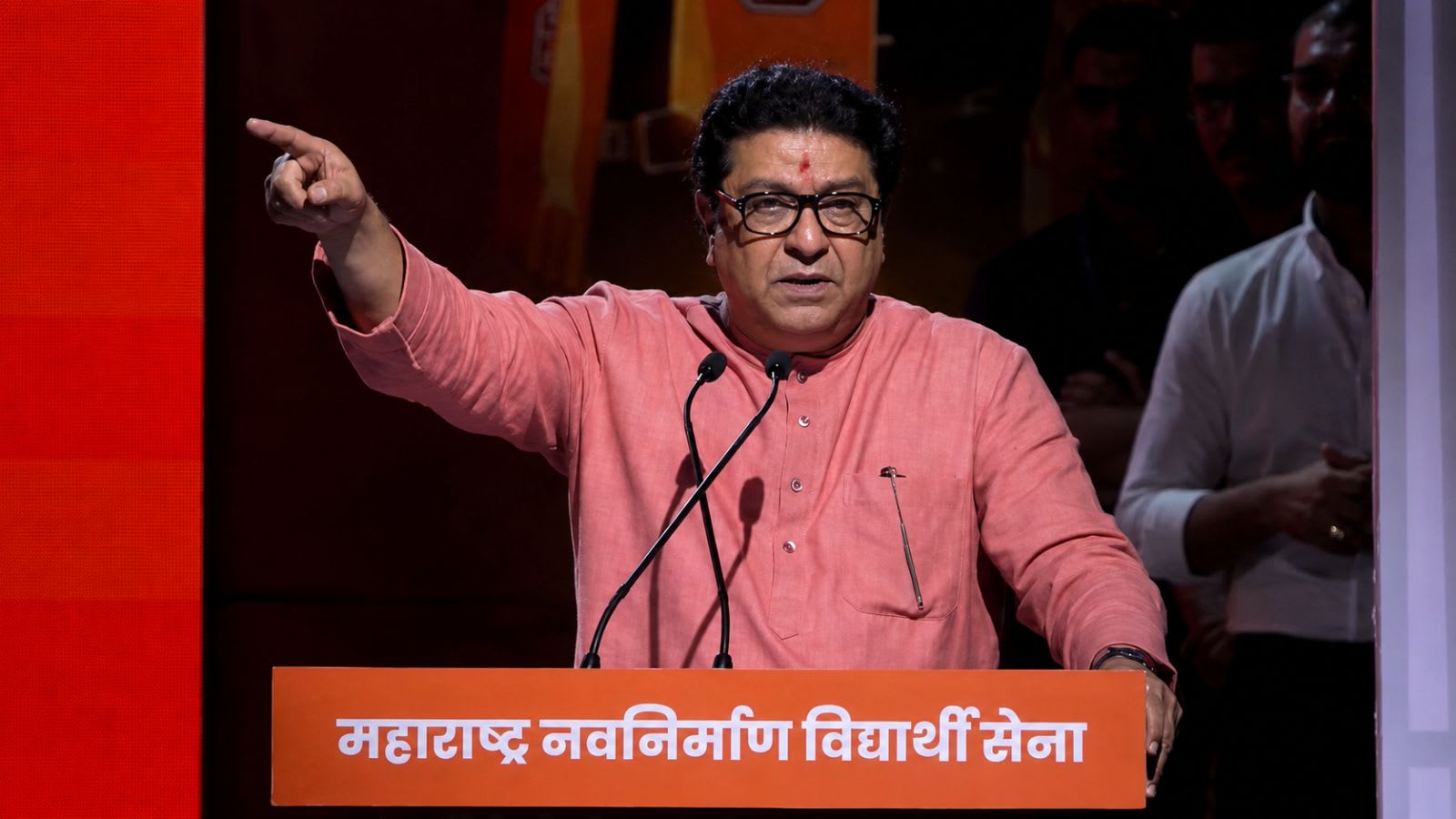
MNS chief Raj Thackeray has removed a controversial documentary alleging ties between PM Modi and Gautam Adani from his social media. The removal followed a direct request from the Mumbai Police Commissioner, though Thackeray maintains his commitment to protesting industrial monopolies.
The Controversy Surrounding the Adani-Modi Documentary
Maharashtra Navnirman Sena (MNS) chief Raj Thackeray recently made headlines by removing a controversial documentary from his social media handles. The film, produced by tech entrepreneur Sabeer Bhatia, alleged a long-standing personal and professional connection between Prime Minister Narendra Modi and industrialist Gautam Adani. The content of the documentary suggests that the Indian industrial landscape is being systematically handed over to Adani, a claim that has sparked significant political debate.
The Intervention of Law Enforcement
The decision to delete the content was not voluntary in the traditional sense but was executed following a direct request from the Mumbai Police Commissioner. This intervention highlights the heightened sensitivity surrounding the discourse on industrial monopolies and the scrutiny of high-profile political figures. Prior to Thackeray's compliance, the authorities had already escalated the situation by issuing legal notices to 24 individuals on X (formerly Twitter) who shared the documentary, signaling a broad crackdown on the dissemination of this specific narrative.
Political Strategy and Public Reach
Despite the removal of the post, Thackeray claims his primary objective—informing the public—has already been achieved. The documentary had gained significant traction, garnering over 4.8 million views on X alone, in addition to widespread engagement on Facebook. By screening the film in his party’s shakhas and promoting it online, Thackeray has successfully injected the 'Adani-Modi' narrative into the mainstream conversation, positioning himself as a vocal critic of the current administration’s economic policies.
Contextualizing the MNS Stance
Raj Thackeray has been consistently raising concerns regarding the proximity between PM Modi and Gautam Adani since early 2026, particularly in the lead-up to the Brihanmumbai Municipal Corporation (BMC) elections. For the MNS, this issue is a central pillar of their political campaign, aimed at challenging what they describe as a 'monopoly' over India’s economic assets. By framing the industrial landscape as being 'handed over' to a single entity, Thackeray seeks to appeal to nationalist sentiments and economic anxiety among the electorate.
Implications for Free Speech and Political Dissent
The incident underscores a complex intersection between political expression and legal oversight. While Thackeray expressed high regard for the Mumbai and Maharashtra Police, calling them the most efficient force in the country, his compliance highlights the pressure political figures face when challenging the status quo. The fact that the police felt compelled to issue notices to nearly two dozen social media users suggests that the authorities view the spread of this documentary as a potential threat to public order or a legal liability.
Future Trends in Political Advocacy
Looking ahead, this episode is unlikely to mark the end of the MNS's crusade against industrial monopolies. Thackeray has vowed to continue his protest, suggesting that the removal of the video is a tactical retreat rather than a surrender. As India approaches future electoral cycles, the debate surrounding corporate influence in governance and the regulation of digital political discourse will likely remain a contentious battleground, with social media acting as the primary arena for these high-stakes confrontations.