At Jamnagar refinery, Rubio and Ambanis discuss energy, digital infrastructure
Source Entity
TNN
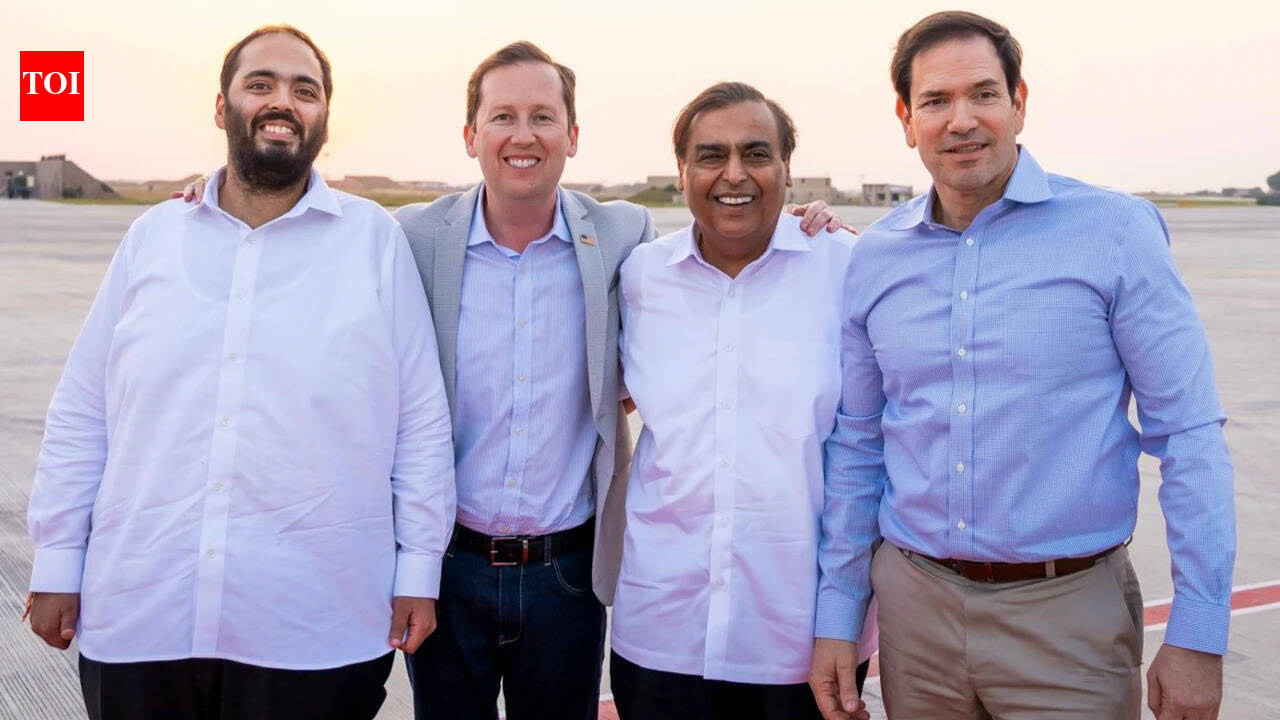
US Secretary of State Marco Rubio’s strategic visit to Reliance Industries' Jamnagar refinery signals a pivot toward economic-focused diplomacy between the US and India. The engagement aims to stabilize bilateral ties and leverage Indian industrial capacity for shared energy and geopolitical objectives.
A Strategic Shift in US-India Diplomacy
US Secretary of State and National Security Adviser Marco Rubio’s recent visit to India marks a significant departure from traditional diplomatic protocols. By bypassing the national capital of New Delhi to visit the Reliance Industries (RIL) refinery complex in Jamnagar, Rubio has signaled that the United States is prioritizing functional economic partnerships over conventional state-to-state outreach. This move underscores a broader shift in Washington’s foreign policy, viewing India increasingly as a critical economic asset capable of contributing to US industrial revitalization.
The Jamnagar Connection: Energy and Industry
The focus on the Jamnagar refinery is not accidental. The complex is uniquely equipped to process challenging Venezuelan crude, a capability that holds immense strategic value as the US seeks to navigate complex global energy markets. President Donald Trump has previously floated the concept of a $300 billion refinery initiative in the US, with Reliance Industries envisioned as a key partner in this industrial revival. While RIL has yet to confirm specific details, the dialogue between Rubio and the Ambani family highlights the high stakes involving energy security and the potential for manufacturing job repatriation to the United States.
Rubio’s Dual Role and Diplomatic Weight
Marco Rubio occupies a rare position of power, holding the dual roles of Secretary of State and National Security Adviser—a concentration of authority not seen since the era of Henry Kissinger. His long-standing support for closer US-India ties, coupled with his potential as a 2028 presidential candidate, makes him a pivotal figure for New Delhi. By investing heavily in this engagement, India is making a calculated, long-term bet on the stability of the US-India relationship despite the recent turbulence experienced during President Trump’s second term.
Navigating Geopolitical Turbulence
The timing of this visit is critical, occurring amidst a period of diplomatic friction. The administration’s urgency is palpable, with reports suggesting that the visit aligns with intensive planning regarding future regional security concerns, including potential actions in the Middle East post-midterm elections. By fast-tracking this engagement, Washington is effectively recalibrating its approach to the subcontinent, treating India as a partner whose economic infrastructure can serve broader Western strategic interests.
Future Implications and Economic Integration
The success of this visit appears to have laid the groundwork for a reboot of bilateral ties. Rubio’s positive signals regarding the long-pending trade deal suggest that the current administration is eager to move past recent misunderstandings. As the US and India deepen their cooperation on digital infrastructure and energy, the Jamnagar complex serves as a tangible symbol of this convergence. For both nations, the immediate future will likely be defined by whether these economic promises can be translated into concrete policy outcomes that withstand the pressures of global political shifts.
Multiple Citing Sources