Trump's eldest son Don Jr. breaks with POTUS as Iran war's effects haunt Republicans before midterms: Report
Source Entity
Latest News: Todays Latest News Headlines from India & World | Hindustan Times | Hindustan Times
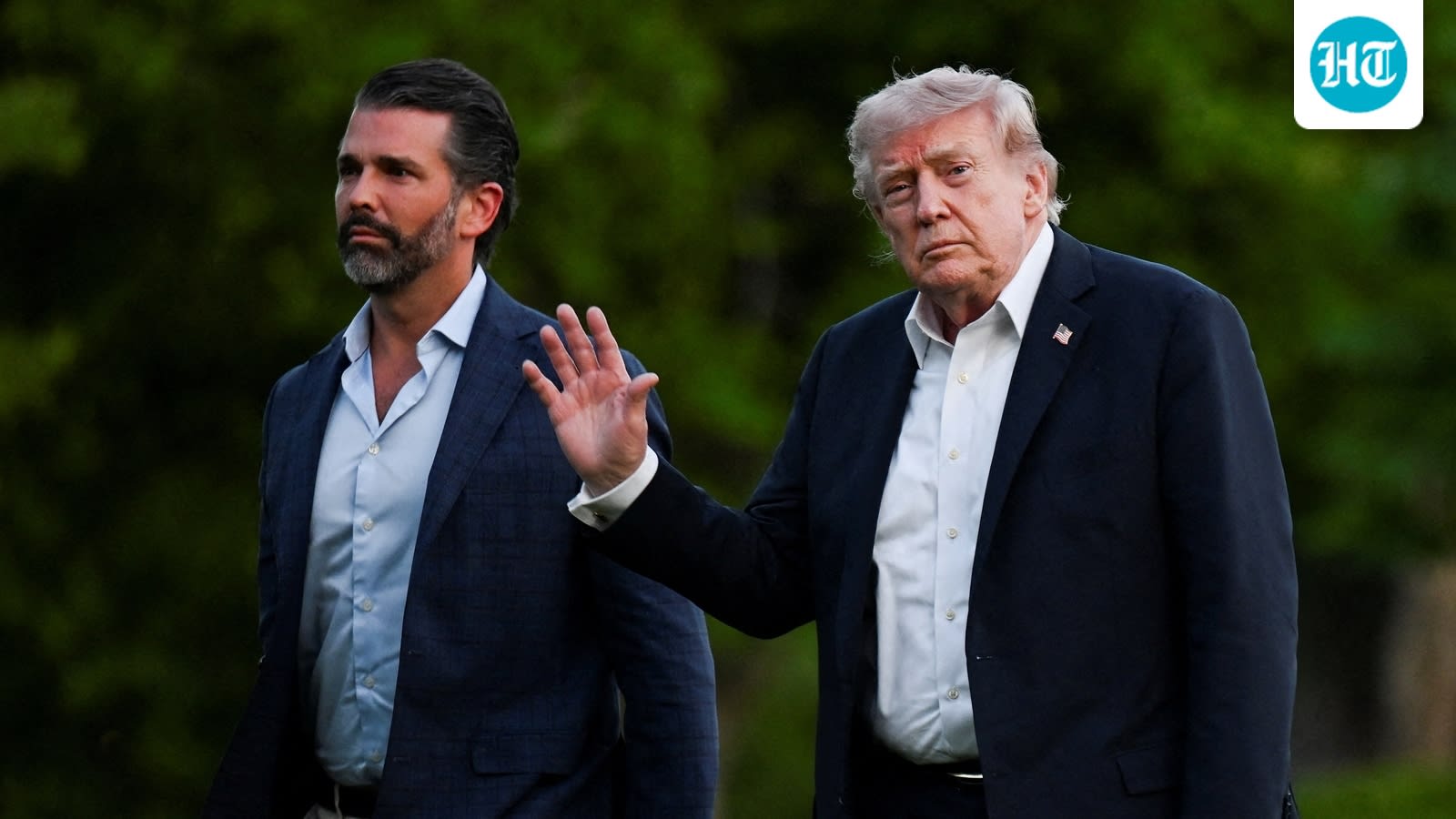
A report suggests a significant internal divide between Donald Trump and his son, Donald Trump Jr., regarding U.S. military involvement in Iran. This disagreement highlights growing tension within the Republican camp as the political consequences of the conflict loom over upcoming midterms.
Internal Tensions: The Trump Family Divide
Recent reports have unveiled a potentially significant ideological rift within the Trump family, specifically concerning the United States' military engagement in Iran. Donald Trump Jr., a central figure in his father’s political apparatus, has reportedly expressed persistent, private opposition to the conflict. This internal disagreement marks a notable departure from the unified front often presented by the Trump political brand, suggesting that even within the highest echelons of the administration, the strategic merits of the Iran war remain a subject of intense debate.
The Roots of the Dissent
The opposition voiced by Donald Trump Jr. is reportedly rooted in a long-standing personal belief that the United States should avoid entanglement in further Middle Eastern conflicts. According to sources cited by The Atlantic, this dissent was not a recent reaction to shifting battlefield conditions but was communicated directly to the President when the conflict first commenced. By challenging the administration's policy trajectory, Don Jr. highlights a growing sentiment among some factions of the Republican base that favors a more restrained foreign policy approach, often referred to as the 'America First' doctrine, which prioritizes domestic stability over overseas interventionism.
Political Consequences and Midterm Anxiety
The timing of this internal friction is particularly critical as the Republican Party prepares for upcoming midterm elections. Foreign policy decisions, especially those involving active warfare, often carry significant domestic political weight. The haunting effects of the Iran war—ranging from economic impacts to potential shifts in voter sentiment—are creating a palpable sense of urgency for Republican leadership. The realization that key stakeholders, including the President's own family, are questioning the strategic necessity of the war suggests that the administration may face challenges in maintaining a cohesive narrative ahead of the polls.
The Dynamics of Influence
As a key member of the family-led political team during the President's second term, Donald Trump Jr.'s role is not merely that of a family member but as an influential political operator. His ability to voice strong disagreements with the President underscores the complex dynamics of the current White House. While public unity is often the goal, the existence of such profound strategic differences suggests that the administration is grappling with the broader implications of its foreign policy, balancing the demands of military posture against the political realities of an increasingly skeptical constituency.
Broader Strategic Implications
The broader implications of this rift extend beyond family dynamics into the realm of national security strategy. If prominent figures within the President's inner circle are advocating for de-escalation or withdrawal, it raises questions about the long-term sustainability of the current U.S. stance on Iran. Future trends may see a further pivot toward isolationist rhetoric within the party as leaders attempt to align their foreign policy with the changing priorities of their voters. This internal debate serves as a microcosm of the larger national struggle to define America’s role in global conflicts during a period of domestic political volatility.
Verification Required?