Those undermining India’s honor, dignity her enemies: PM Narendra Modi
Source Entity
Harikishan Sharma
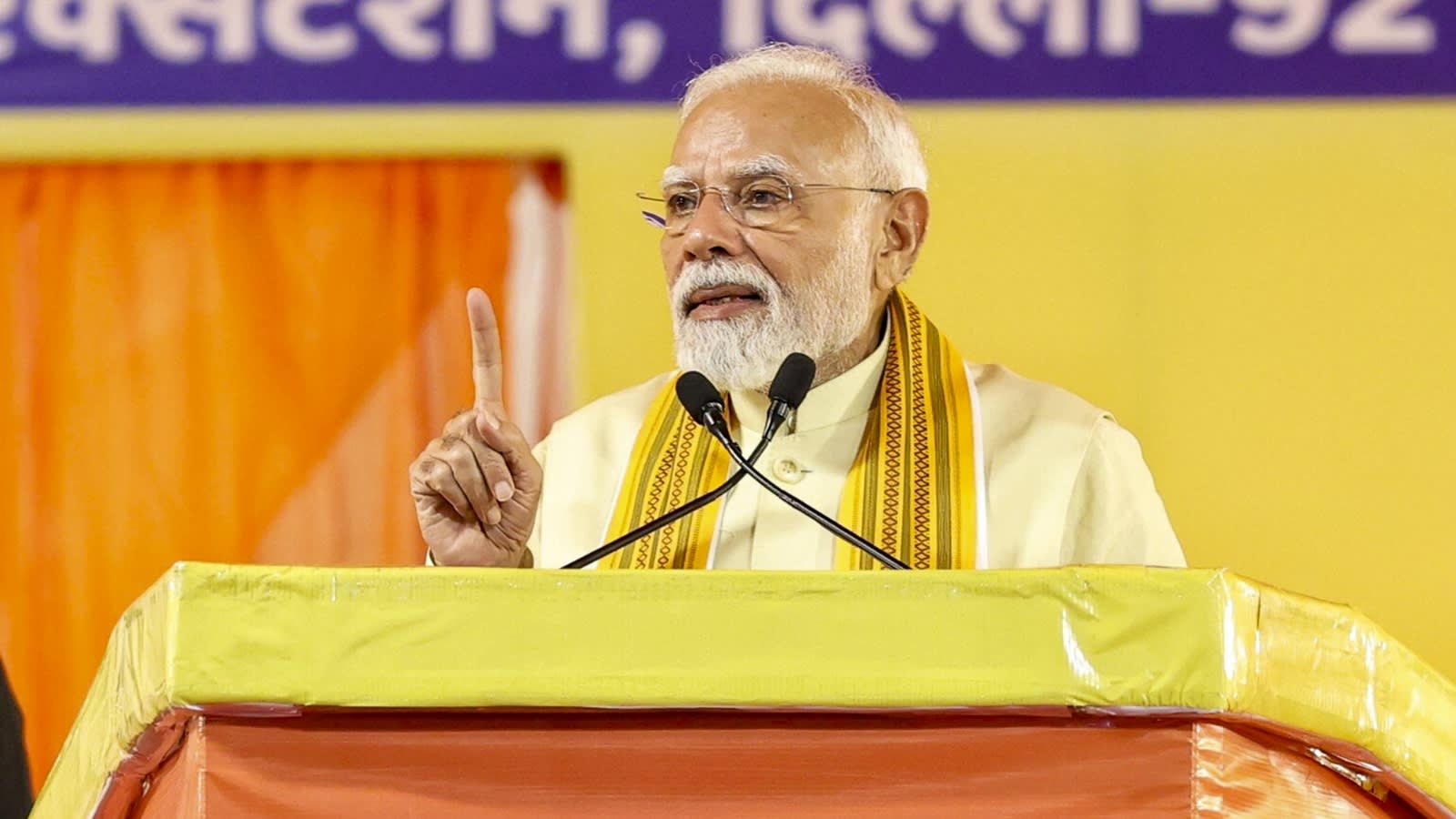
Delhi has implemented a robust three-layer security protocol for Dussehra celebrations, featuring VVIP protection for PM Modi. Extensive traffic diversions are in place across the capital, including Dwarka, to manage crowds and ensure public safety during the festivities.
Enhanced Security Protocols for Delhi Dussehra
The national capital has implemented a stringent three-layer security apparatus in anticipation of Prime Minister Narendra Modi’s presence at the city’s major Dussehra celebrations. This high-security deployment reflects the intersection of cultural observance and the logistical requirements of protecting a VVIP in a dense urban environment. The security architecture is designed to mitigate potential risks, ranging from crowd management to the threat of disruption by anti-social elements.
The Three-Layer Security Strategy
The security framework is structured to ensure absolute coverage. The innermost layer is managed by the Special Protection Group (SPG), which maintains exclusive control over the Prime Minister’s immediate perimeter. The middle layer consists of the Delhi Police’s specialized Prime Minister’s security wing, bolstered by elite commandos. The final, outer layer is overseen by local police, ensuring a seamless transition between high-level protection and public order maintenance.
Specialized Unit Deployment
Beyond standard police presence, the authorities have mobilized approximately 2,500 personnel drawn from central armed paramilitary forces and the Delhi Police. Notably, this includes the deployment of the Special Weapons and Tactics (SWAT) team—a specialized counter-terrorism and hostage-rescue unit operating under the Special Cell. This level of force projection is a calculated response to the specific threat perceptions associated with large-scale public gatherings in a high-profile location like the Utsav Ground in IP Extension.
Traffic Management and Public Impact
The scale of the festivities necessitates significant traffic modifications across Delhi-NCR. In addition to the primary venue, the Delhi Traffic Police have issued specific advisories for zones like Dwarka, where traffic restrictions are expected on major arteries including the UER-II and the Dwarka Expressway. These measures are intended to facilitate the surge in pedestrian and vehicular movement, ensuring that the VVIP arrival does not paralyze the city’s infrastructure.
Philosophical Context and Public Significance
During the event, Prime Minister Modi emphasized the cultural significance of the festival, framing the Ramlila as a "testament to the belief" in the triumph of truth over falsehood. By describing the tradition as the "end of tyranny and terror," the Prime Minister connected the mythological narrative of the Ravan Vadh to contemporary governance and societal values. This messaging reinforces the importance of the festival as a cornerstone of national unity and moral fortitude.
Future Trends in Urban Security
The reliance on multi-layered security and pre-emptive traffic management during national festivals highlights a growing trend in urban management. As cities like Delhi continue to grow, the coordination between intelligence agencies, specialized tactical units, and traffic police will remain essential. The success of these operations sets a precedent for handling future large-scale events, balancing the need for public celebration with the non-negotiable requirements of national security.
Multiple Citing Sources