Meta agrees to pay up to $16.7bn to settle social media case
Source Entity
BBC News
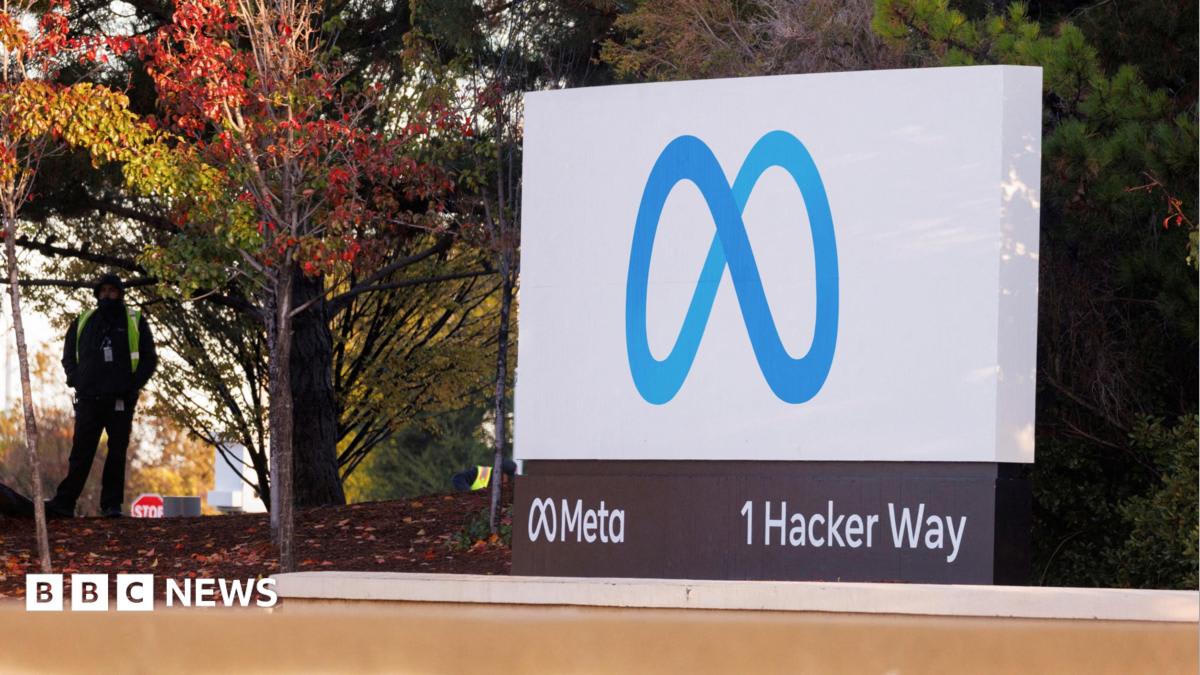
Meta has agreed to an $18 billion settlement with 29 U.S. states regarding allegations that its platforms were designed to addict children. As part of the response to these safety concerns, the company is implementing default daily time limits and nighttime curfews for teen accounts.
The Landmark Meta Settlement: Addressing Youth Safety and Digital Addiction
A Massive Legal Resolution
Meta Platforms has recently reached a significant settlement agreement, pledging up to $18 billion to resolve litigation brought by 29 U.S. states. This lawsuit centered on serious allegations that the company knowingly designed Instagram and Facebook with features intended to foster addiction among younger users. Furthermore, the states argued that Meta violated the Children’s Online Privacy Protection Act (COPPA) by collecting data from minors without obtaining proper parental consent. While this settlement involves a massive financial figure, Meta has explicitly refrained from admitting liability, signaling a strategic move to avoid the unpredictability and reputational risk of a protracted jury trial.
The Failure of Voluntary Safety Features
Central to the courtroom proceedings was the testimony of Adam Mosseri, the head of Instagram. Under questioning from legal counsel, Mosseri acknowledged a critical failure in the company’s previous approach to safety: the "Take a Break" feature. Despite being launched years prior, the usage rate for this tool remained in the low-single digits while it was an optional setting. It was not until the feature was made a default setting in September 2024 that widespread adoption occurred. This admission underscores a broader industry trend where voluntary safety tools often fail to protect the most vulnerable users, highlighting the necessity of structural, platform-wide defaults.
Structural Changes to Teen Accounts
In direct response to the mounting pressure and legal scrutiny, Meta is now pivoting toward mandatory restrictions. Teen accounts are slated to transition to a default status that includes a two-hour cumulative daily usage limit across the company’s suite of applications. In addition to these time constraints, the company is implementing nighttime curfews designed to curb excessive late-night engagement. These measures represent a fundamental shift in how social media giants manage the digital environment for minors, moving from an "opt-in" culture to a "safety-by-design" framework.
Implications for Industry Standards
Meta is framing this settlement as a call to action for the broader social media landscape, specifically targeting competitors like YouTube and TikTok. By publicly advocating for universal protections for teens and enhanced controls for parents, Meta is attempting to shape the regulatory narrative and set a new industry standard. The company’s focus on these controls suggests an awareness that the current legislative climate is increasingly hostile toward business models that prioritize engagement metrics at the potential expense of adolescent mental health.
Future Trends in Digital Regulation
Looking ahead, this settlement serves as a harbinger for increased regulatory oversight of tech platforms. The focus on COPPA compliance and the design of "addictive" algorithms suggests that future legal battles will continue to scrutinize the intersection of profit-driven design and child safety. Companies will likely face ongoing pressure to prove that their systems are not designed to exploit the developing brains of their youngest users. As this case concludes, the tech industry must prepare for a future where internal safety features are no longer discretionary but are mandated by state and federal regulators to ensure a healthier digital experience for the next generation.
Multiple Citing Sources