‘Guess how many seats Congress won?’: PM Modi’s jibe amid use of ballots in MLC polls
Source Entity
The Indian Express
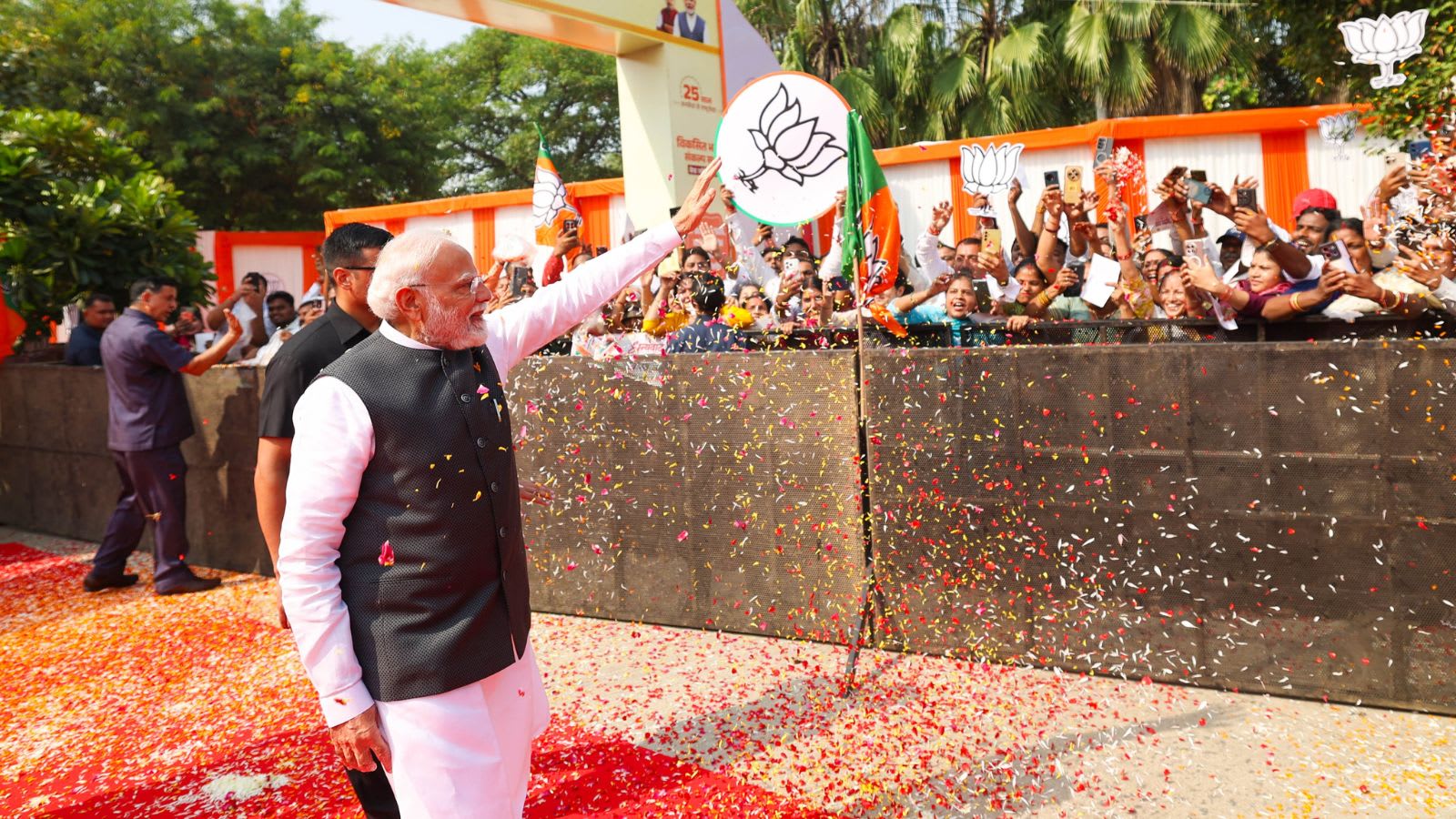
Prime Minister Narendra Modi criticized the Congress party following their total failure in MLC elections across four major states. The BJP-JD(S) alliance swept all four Karnataka seats, dealing a significant political blow to the ruling Congress government.
The Political Fallout of the Recent MLC Elections
Prime Minister Narendra Modi recently leveled a pointed critique against the Indian National Congress following the results of Legislative Council (MLC) elections across four major states: Uttar Pradesh, Maharashtra, Bihar, and Karnataka. The Prime Minister's remarks, delivered via social media, specifically highlighted the fact that these elections were conducted using traditional ballot papers rather than Electronic Voting Machines (EVMs). This distinction serves as a strategic rebuttal to the frequent criticism leveled by the Congress party against the integrity of India's electronic voting infrastructure.
A Statistical Shutout for the Congress
The core of the controversy lies in the performance of the Congress party, which failed to secure a single victory out of the 12 seats it contested in these regions. By emphasizing the use of ballot papers, Prime Minister Modi has effectively challenged the narrative often promulgated by opposition leaders regarding the reliability of the polling process. This development is not merely a localized electoral loss but a symbolic setback that the ruling Bharatiya Janata Party (BJP) is leveraging to question the political efficacy and internal state of the opposition.
Karnataka: A Strategic Alliance Victory
The most notable impact of these elections is visible in Karnataka, where the BJP-JD(S) alliance achieved a clean sweep, winning all four seats reserved for teachers and university graduates. This victory, particularly the JD(S) victory in the Bengaluru Teachers' constituency, represents a direct encroachment on areas previously held by the ruling Congress. Leaders such as HD Kumaraswamy have framed this outcome as a "mandate for 2028," suggesting that the alliance is effectively positioning itself for future electoral battles.
Legislative Council Dynamics
While the electoral results are politically significant, they do not immediately alter the legislative landscape of the 75-member Karnataka Legislative Council. The Congress maintains a presence of 38 members, holding a functional majority, while the BJP and JD(S) tallies have risen to 27 and 7, respectively. With five government-nominated seats currently vacant, the council remains a space where the ruling party still holds sway, despite the recent symbolic blow delivered by the alliance's sweep of the graduate and teacher constituencies.
Broader Implications and Future Trends
This election cycle underscores the growing importance of regional alliances in Indian politics. The synergy between the BJP and JD(S) has proven effective in translating votes into seats, particularly in specialized constituencies that prioritize academic and professional demographics. As the political discourse shifts toward the 2028 horizon, the Congress will likely face increased pressure to evaluate its organizational strategy in these critical states. Meanwhile, the BJP continues to utilize these victories to reinforce its narrative of electoral dominance and to discredit opposition challenges to the country's broader voting mechanisms.
Conclusion
In summary, the recent MLC elections have provided a clear platform for the ruling NDA to consolidate its narrative while exposing significant weaknesses in the Congress party's electoral reach. By winning all four contested seats in Karnataka and maintaining a dominant performance across four major states, the BJP has successfully shifted the focus toward the reliability of manual ballots and the strength of their coalition-based electoral model.
Multiple Citing Sources