'Already hate all of you': Rahul Gandhi's 4-point reply to Nirmala Sitharaman's advice
Source Entity
KANCHAN YADAV
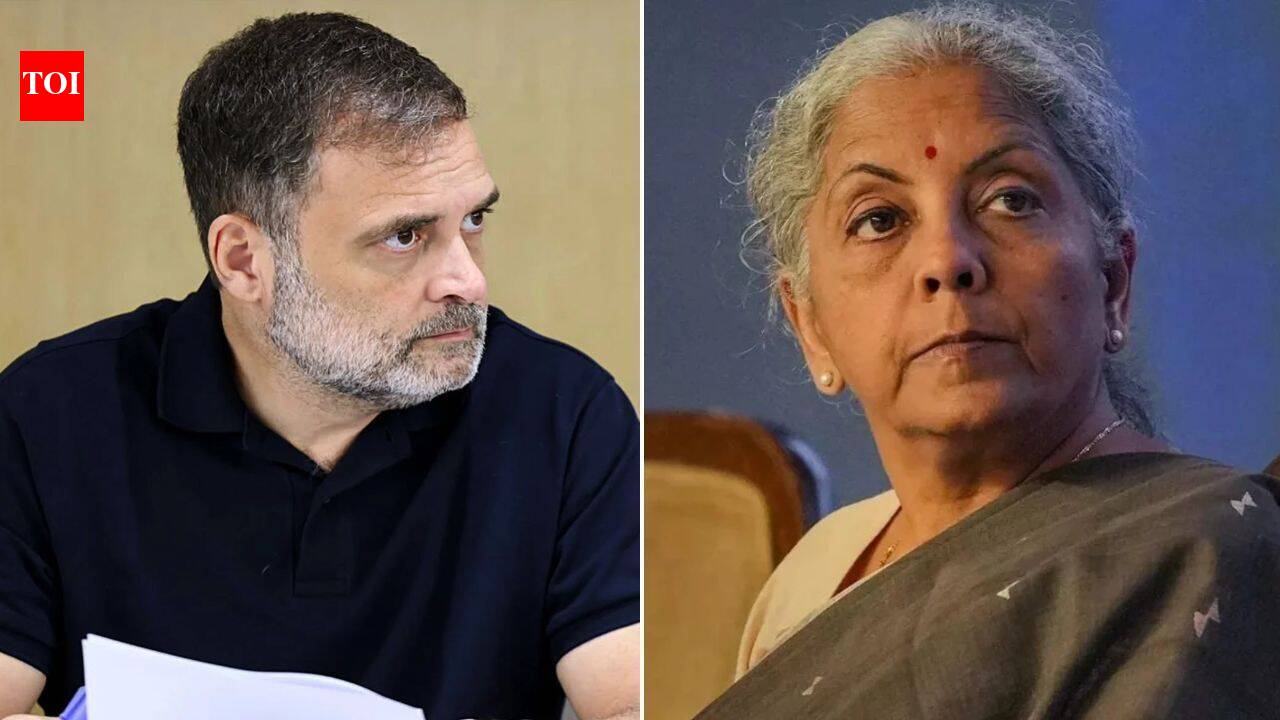
Leader of Opposition Rahul Gandhi has accused the current government of 'criminally destroying' the Tata Group, challenging Indian business leaders to break their silence. This confrontation highlights growing tensions between the opposition and the ruling BJP regarding corporate independence and political influence.
The Confrontation Over Corporate Autonomy
Congress leader and Leader of Opposition in the Lok Sabha, Rahul Gandhi, has launched a sharp critique against the central government, alleging that the Tata Group—one of India's most storied and influential business conglomerates—is being "criminally destroyed." This provocative statement, shared via social media, serves as a cornerstone for Gandhi’s broader argument regarding the perceived erosion of institutional independence in India. By framing the situation as a direct assault on a pillar of Indian industry, Gandhi is attempting to shift the national discourse toward the intersection of political power and private enterprise.
Challenging the Silence of Industry Leaders
Central to Gandhi’s rhetoric is a direct challenge to India’s prominent business leaders. He has openly questioned why these figures remain silent in the face of what he characterizes as coercive governance. By asking, "How long will you stay silent? Until they own you?", Gandhi is attempting to catalyze a sense of urgency among the corporate elite. His narrative suggests that the current political climate, led by Prime Minister Narendra Modi and Home Minister Amit Shah, has created an atmosphere of fear where corporate entities feel unable to speak out against government policy or alleged overreach for fear of retribution.
The Political Stakes of 'Business as a Plaything'
Gandhi’s assertion that "Indian business is not Modi and Shah’s plaything" underscores a fundamental ideological divide. The Leader of the Opposition is positioning the Congress party as a defender of free-market integrity and corporate autonomy against what he perceives as centralized state control. This framing is designed to resonate with both the business community and the public, suggesting that the government’s interference in private sector affairs is not only harmful to economic growth but also a threat to democratic norms.
The Rhetorical Shift: Courage vs. Complicity
In his public statements, Gandhi has drawn a stark line between the perceived lack of courage among business leaders and the resolve of his own party. By stating, "You lack courage, and we don’t," he is attempting to establish a moral high ground. This rhetoric is intended to portray the government as an intimidator and the Congress party as the necessary shield for those who feel marginalized or silenced by current political dynamics. It is a strategic move to rebrand the opposition as an emboldened force willing to confront powerful figures.
Implications and Future Outlook
As the political landscape remains contentious, this narrative of "criminal destruction" regarding the Tata Group could have significant implications for future policy debates. While there has been no immediate official response from the BJP or the Tata Group, the accusations have set the stage for a broader debate on crony capitalism and the role of the state in corporate governance. Moving forward, the effectiveness of Gandhi’s strategy will depend on whether he can provide substantive evidence to back these claims and whether the business community feels emboldened enough to move beyond their current silence and engage in the political process.