Monsoon Car Damage? Here's When Insurance Pays And When It Won't
Source Entity
NDTV News Search Records Found 1000
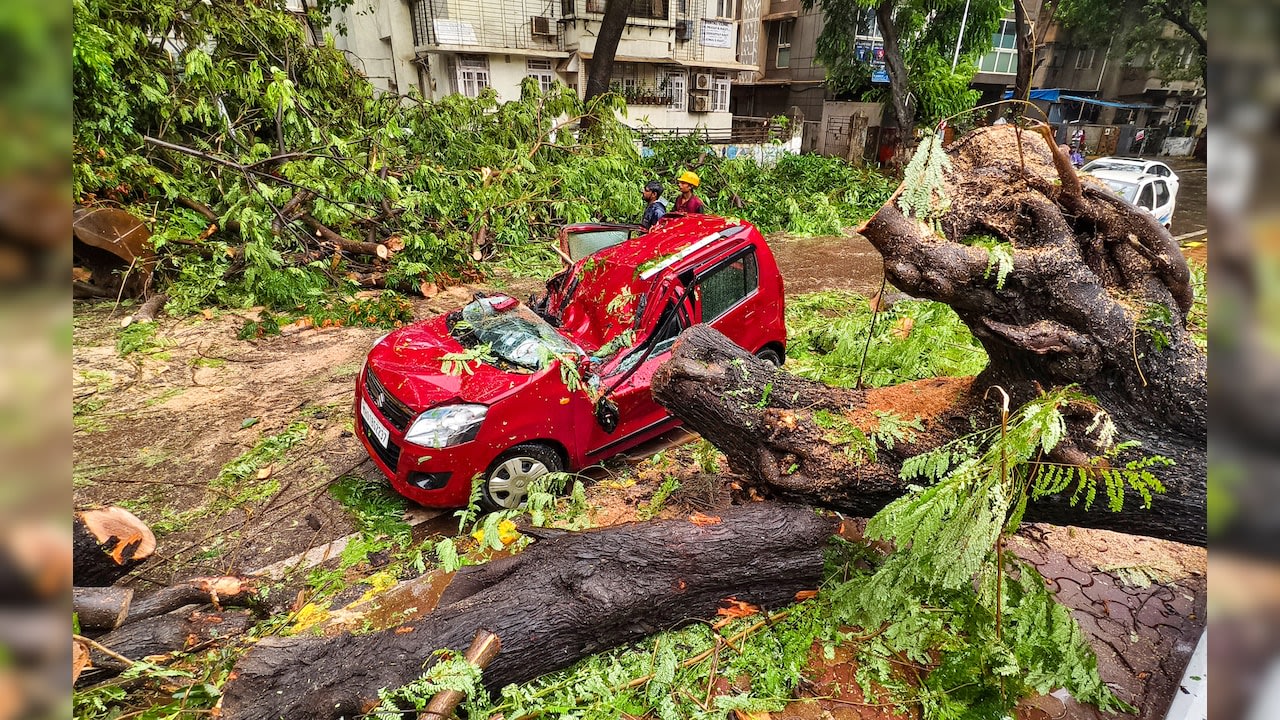
Comprehensive insurance policies are essential for covering monsoon-related vehicle damage. Understanding specific coverage triggers is critical for policyholders seeking claims during heavy rainfall.
Navigating Monsoon-Related Vehicle Insurance Claims
As monsoon seasons intensify globally, vehicle owners face increased risks of water damage, ranging from engine failure due to hydrostatic lock to interior damage from flooding. Insurance experts have clarified that financial protection against these environmental hazards is not a universal guarantee; it is strictly contingent upon the type of policy held by the vehicle owner.
The Necessity of Comprehensive Coverage
The fundamental requirement for securing compensation for monsoon-related damage is the possession of a comprehensive insurance policy. Unlike third-party liability insurance, which only covers damages to other people or property, a comprehensive policy provides "own-damage" coverage. This includes protection against natural calamities such as floods, storms, and heavy inundation that frequently characterize monsoon seasons.
Understanding the Scope of Protection
While comprehensive coverage is the baseline, it is crucial for policyholders to recognize that not all damages are automatically covered. For instance, if an engine suffers damage due to water ingress—a common scenario when drivers attempt to restart a car submerged in water—standard comprehensive policies might reject the claim unless a specific 'Engine Protect' add-on cover is active. This distinction is vital for owners to understand before the onset of heavy weather.
Mitigation and Policyholder Responsibility
Insurance providers often evaluate claims based on the principle of 'due diligence.' If a driver intentionally drives into a waterlogged area despite clear warnings or visible hazards, insurers may categorize the resulting damage as 'consequential loss,' which is often excluded from standard coverage. Consequently, the act of driving through deep water can be viewed as negligence, potentially invalidating a claim even under a comprehensive plan.
Future Trends and Risk Management
As climate change leads to more unpredictable and severe weather patterns, the insurance industry is shifting toward more granular risk assessments. We can expect to see a rise in demand for specialized monsoon-focused add-ons. Vehicle owners should proactively review their policy documentation annually, ensuring that their coverage limits align with the increased frequency of urban flooding events.
Conclusion: Proactive Protection
The overarching takeaway is that financial resilience against monsoon damage requires more than just basic insurance. By ensuring a comprehensive policy is in place and supplementing it with relevant add-ons, owners can mitigate the significant financial burden of climate-related vehicle repairs. Staying informed about policy exclusions is the most effective way to ensure that claims are processed successfully when disaster strikes.
Verification Required?