10 years in jail, Rs 10 crore in fines: What new anti-paper leak Bill says
Source Entity
Damini Nath
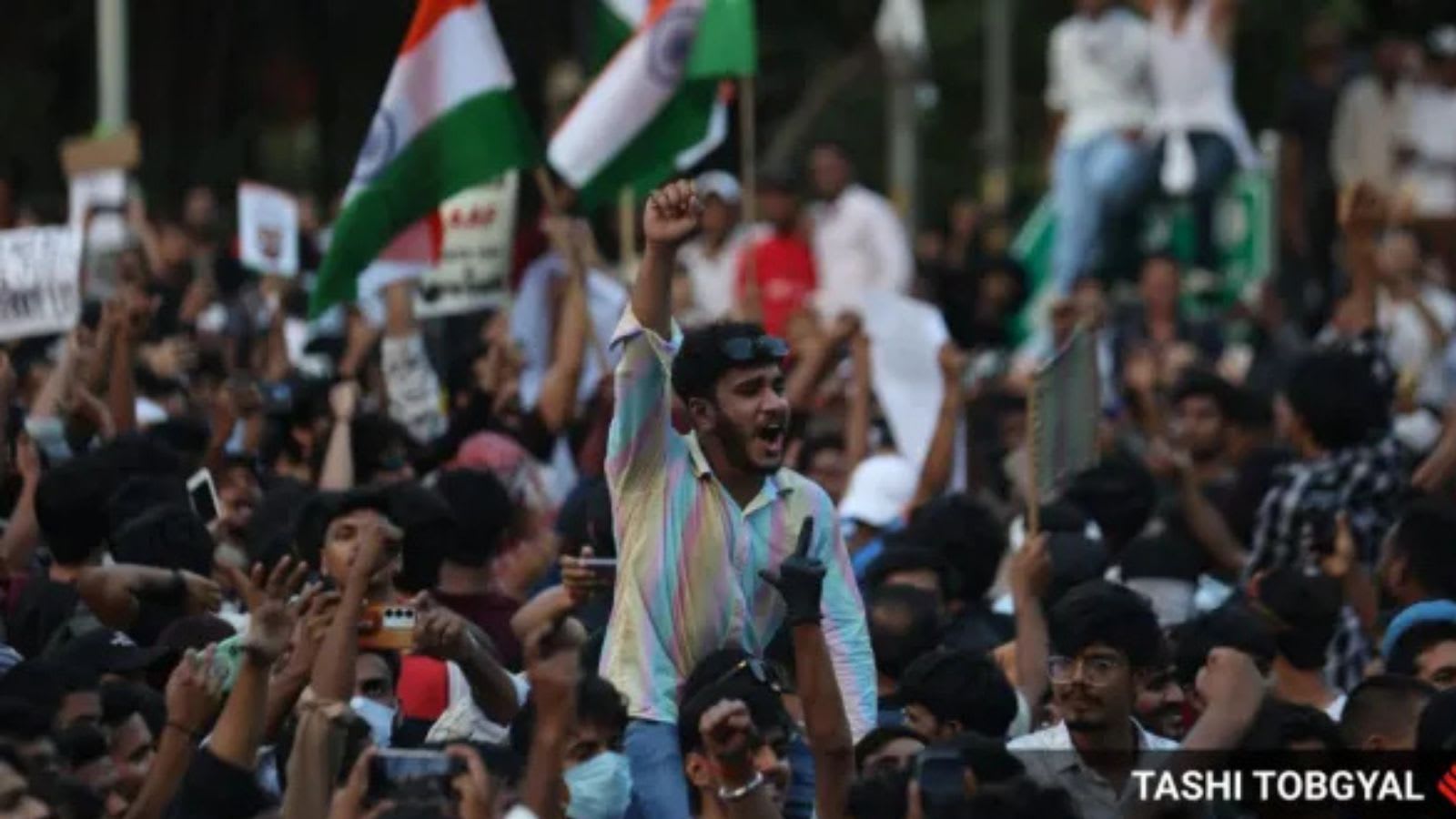
The first day of the Monsoon Session was marked by intense parliamentary disruptions and massive street protests in Delhi. Opposition parties demanded accountability for the NEET paper leak and temple donation thefts, while police utilized force to manage tens of thousands of demonstrators.
A Turbulent Start to the Monsoon Session
The opening day of the 2026 Monsoon Session of Parliament saw a dramatic convergence of legislative paralysis and large-scale civil unrest. As the Lok Sabha and Rajya Sabha convened, proceedings were almost immediately derailed by a united Opposition front. The core of the agitation centered on the alleged NEET paper leak—a controversy that has mobilized student groups across the nation—and accusations regarding the theft of donations at the Ram Temple in Ayodhya. These issues combined to create a hostile atmosphere, resulting in six consecutive adjournments before the Houses were ultimately called off for the day at 3 p.m.
Legislative Gridlock and the Supreme Court Bill
Despite the chaotic environment, the government managed to push through a singular piece of vital business. Union Law Minister Arjun Ram Meghwal introduced a Bill aimed at replacing an existing Ordinance that expands the strength of the Supreme Court of India. This legislative move seeks to increase the number of judges from 34 to 38, including the Chief Justice, in an effort to address the mounting backlog of cases within the judiciary. However, the introduction occurred during brief windows of order, highlighting the extreme difficulty the government faces in conducting routine legislative business amidst the current political climate.
Civil Unrest in Lutyens’ Delhi
Beyond the walls of Parliament, the streets of New Delhi witnessed a massive mobilization of protesters. Estimates suggest that over 50,000 individuals, primarily young people, converged on the heart of the capital. Led in part by the Cockroach Janta Party (CJP), these demonstrators sought to march toward Parliament to demand the resignation of Union Education Minister Dharmendra Pradhan. The scale of the protest forced authorities to deploy anti-riot measures, including lathicharges, tear gas, and water cannons across major thoroughfares like Ashoka Road and Janpath.
The Opposition Strategy and Internal Dynamics
The protests were characterized by a high degree of coordination among major Opposition parties, including the Congress, the Samajwadi Party (SP), and the Trinamool Congress (TMC), whose members collectively marched into the Well of the House. Notably, the DMK opted for a distinct path, focusing on the Mekedatu water-sharing issue and choosing to abstain from the broader Congress-led coordination meetings. This fragmentation within the Opposition ranks suggests that while there is a shared desire to challenge the government on issues like the NEET scandal, regional priorities continue to dictate the tactical approach of individual parties.
Broader Implications and Future Trends
This session represents a potential turning point for the government’s legislative agenda. The intensity of the protests, coupled with the Opposition's insistence on discussing the NEET paper leak, indicates a prolonged period of confrontation. If the government continues to face such significant public pressure regarding exam irregularities and administrative accountability, it may struggle to pass secondary legislation. As the Monsoon Session progresses, the government will likely need to balance its legislative ambitions—such as the Supreme Court judge expansion—against the growing demand for transparency and ministerial accountability in the wake of the NEET controversy.
Conclusion
In summary, the first day of the Monsoon Session has set a precarious tone for the weeks ahead. With the legislative process currently held hostage by intense floor-level protests and the streets of Delhi serving as a theater for widespread public dissatisfaction, the government remains under significant scrutiny. The coming days will test the administration's ability to maintain order, address the grievances of the student population, and effectively navigate the complex parliamentary dynamics that define this session.
Multiple Citing Sources