CJP protest outside, a new Lok Sabha on display, mirrors TMC split, Opposition faultlines
Source Entity
Deeptiman Tiwary
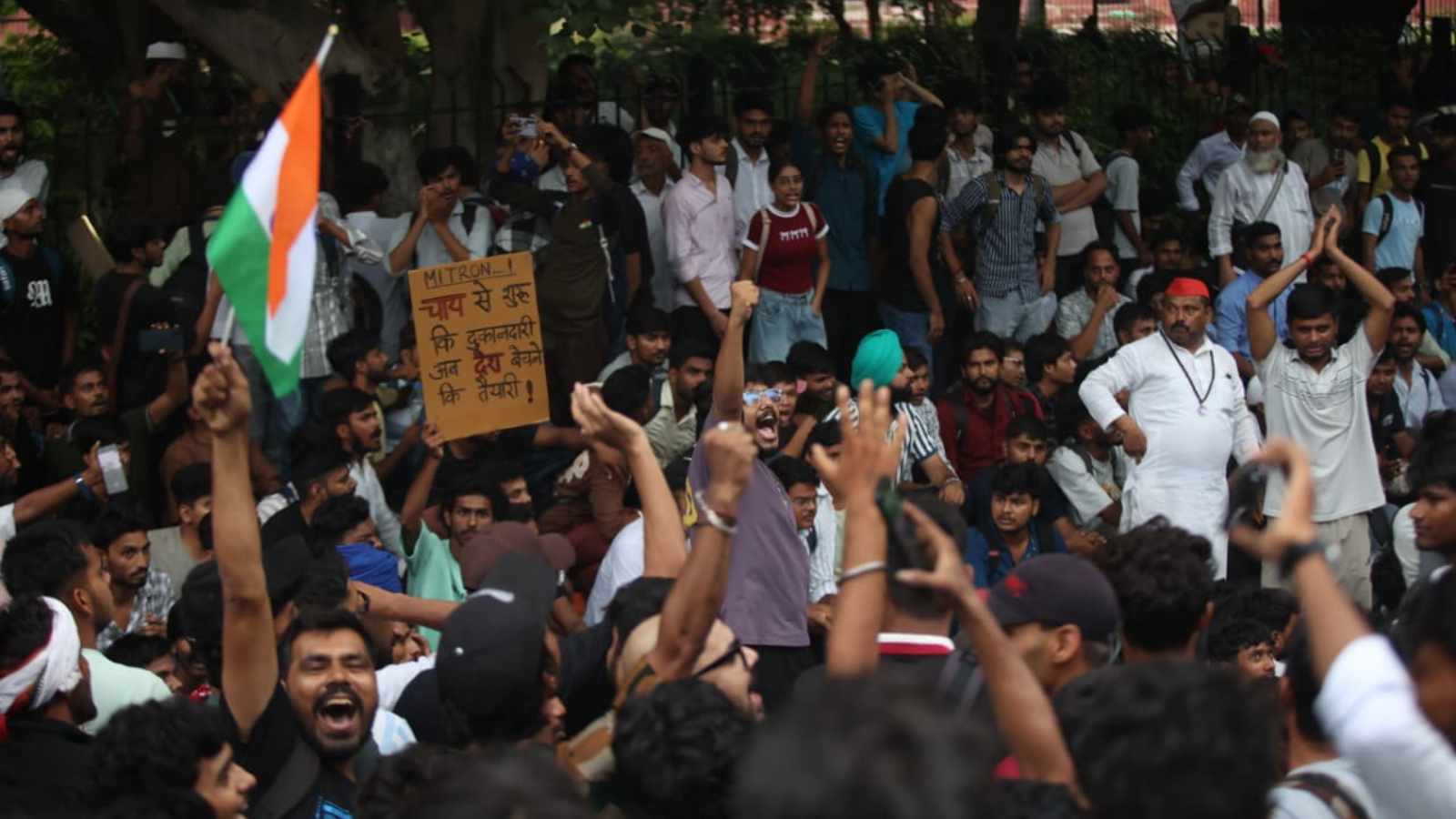
The Monsoon Session of Parliament faced immediate disruption on its first day due to massive protests over the NEET paper leak and Ayodhya Ram Temple donation theft. While police used force to disperse thousands of demonstrators in New Delhi, legislative work was stalled, with only a bill to increase Supreme Court judges being introduced.
Parliament Monsoon Session Paralyzed by Protests and Unrest
The Monsoon Session of Parliament began on a volatile note on July 20, 2026, as the proceedings in both the Lok Sabha and Rajya Sabha were effectively washed out by intense opposition protests. The atmosphere within the House mirrored the chaos on the streets of Lutyens’s Delhi, where tens of thousands of demonstrators, primarily led by the Cockroach Janta Party (CJP), converged to demand the resignation of Union Education Minister Dharmendra Pradhan. The primary catalyst for this unrest is the alleged NEET paper leak and ongoing concerns regarding CBSE exam irregularities, which have galvanized a significant portion of the youth population.
The Anatomy of the Legislative Gridlock
Inside the chambers, the legislative agenda was severely hampered by a coordinated opposition strategy. Members from the Congress, Samajwadi Party, and Trinamool Congress (TMC) descended into the Well of the House, forcing multiple adjournments. The persistent noise and disruption reached such a level that the House was adjourned six times throughout the day, eventually concluding at 3 p.m. without substantive debate. Notably, fissures within the opposition were also visible, as the DMK chose to diverge from the Congress-led strategy, focusing instead on the Mekedatu water project issue.
Street-Level Confrontations in New Delhi
Beyond the parliamentary gates, the security situation in the capital reached a breaking point. An estimated 50,000 protesters challenged security cordons across major thoroughfares, including Ashoka Road, Janpath, and Raisina Road. Law enforcement agencies were forced to deploy lathicharges, tear gas, and water cannons to maintain order and prevent the crowd from breaching the high-security zone surrounding Parliament. These confrontations highlight the deep-seated public anger regarding the perceived lack of accountability in the management of national competitive examinations.
Legislative Business Amidst Chaos
Despite the rampant disruptions, the government managed to record one significant legislative milestone. Union Law Minister Arjun Ram Meghwal successfully introduced a bill aimed at replacing an existing Ordinance. This proposed legislation is of constitutional importance, as it seeks to increase the total number of Supreme Court judges from 34 to 38, including the Chief Justice of India. This move underscores the government's attempt to address judicial backlog even while the broader political climate remains hostile.
The Broader Political Implications
The inclusion of the Ayodhya Ram Temple donation theft as a key rallying cry by the opposition indicates an attempt to challenge the ruling government on multiple fronts, blending socio-economic grievances with sensitive religious and administrative issues. Furthermore, the logistical nuances of the session, such as the altered seating arrangements for rebel TMC MPs, suggest an increasingly complex parliamentary dynamic where internal party fractures are being exploited to influence the national discourse.
Future Outlook and Trends
As the session progresses, the government faces a precarious balancing act. The combination of youth-led movements regarding education transparency and the opposition's aggressive stance on local and national issues suggests that the remainder of the Monsoon Session will be fraught with further friction. If the government fails to address the specific demands regarding the Ministry of Education, it is highly probable that the trend of parliamentary washouts will continue, effectively stalling the legislative pipeline for the foreseeable future.
Multiple Citing Sources