Police action forces end to tribal protest against MP’s Ken-Betwa project after 15 days
Source Entity
India Latest News: Top National Headlines Today & Breaking News | The Hindu
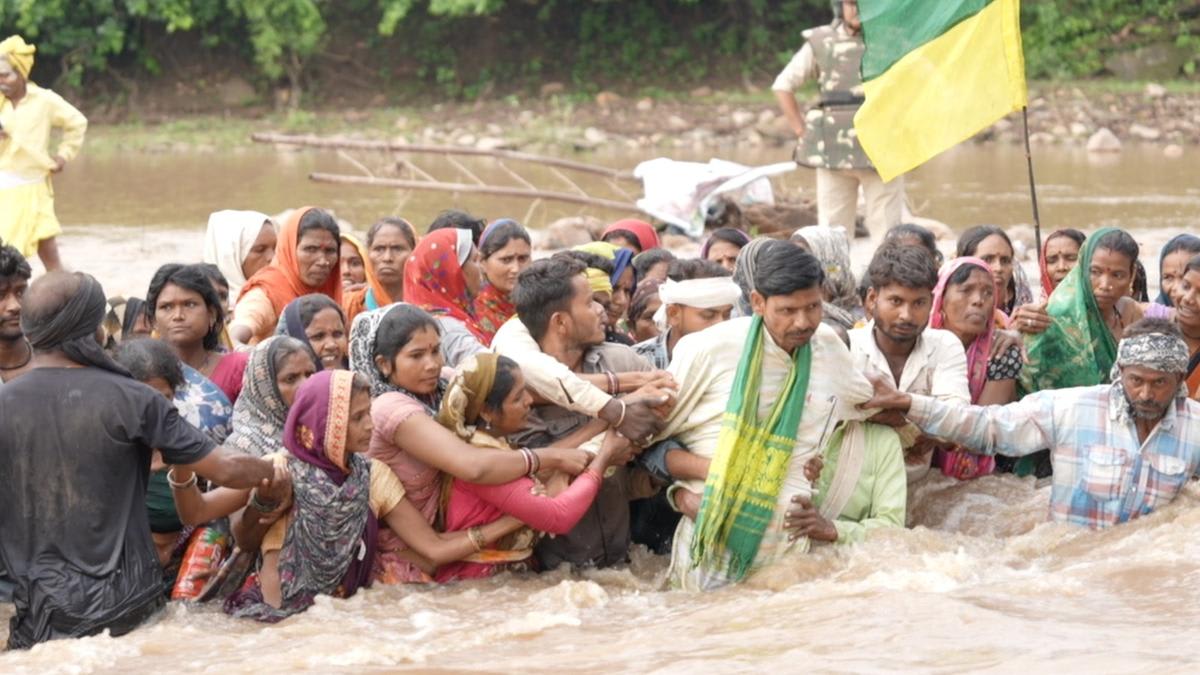
Police in Madhya Pradesh forcibly dismantled a 15-day tribal protest against the Ken-Betwa river link project in Chhatarpur. Protest leader Amit Bhatnagar was hospitalized after a 14-day hunger strike amid allegations of police brutality against women.
State Intervention and Tribal Resistance: The Ken-Betwa Project Conflict
On July 19, 2026, the Madhya Pradesh Police executed a targeted operation to dismantle a long-standing protest site on the banks of the Barana river near Kupi village in the Chhatarpur district. This intervention marked the end of a 15-day demonstration by tribal communities who have been vocally opposing the Ken-Betwa river link project and several other associated irrigation initiatives. The operation culminated in the forced removal of protestors and the hospitalization of the movement's leader, Amit Bhatnagar, who had undergone a rigorous 14-day hunger strike to draw attention to their grievances.
The Core of the Dispute: Development vs. Displacement
At the heart of this conflict is the Ken-Betwa river link project, a massive infrastructure undertaking designed to transfer surplus water from the Ken river to the Betwa river to alleviate water scarcity in the region. While the state views such irrigation projects as essential for agricultural productivity and water security, the tribal populations in Chhatarpur see them as existential threats. The protests, symbolized by the construction of pyres on the riverbanks, signify the community's feeling of 'social death' or displacement resulting from the loss of ancestral lands and the disruption of local ecosystems. This tension reflects a broader historical pattern in India where large-scale developmental projects often clash with the land rights of indigenous populations.
Analysis of the Police Operation and Justifications
The police action was characterized by a sharp divide in narratives. Official reports from the Madhya Pradesh Police claim that the dismantling of the site and the removal of symbolic pyres were precautionary measures necessitated by environmental risks. Specifically, authorities cited rising water levels following heavy rains in the area as the primary reason for clearing the riverbanks to ensure the safety of the demonstrators. This 'safety-first' justification is a common administrative tool used to dissolve protests that have become political liabilities or obstacles to project timelines.
Allegations of Brutality and Human Rights Concerns
Contradicting the official safety narrative, the protestors have leveled serious allegations of state-sponsored violence. Demonstrators claim that the removal process was not a rescue operation but a forced eviction characterized by aggression. Most critically, reports and accompanying video evidence suggest that police personnel assaulted women and forcibly dragged them away from the shore. The presence of such visual evidence shifts the discourse from a simple administrative clearance to a human rights issue, highlighting the volatile nature of state interactions with marginalized tribal groups during land-use disputes.
Socio-Political Implications and Future Trends
The forced end of this protest is unlikely to resolve the underlying tensions. Historically, when tribal resistance is suppressed through police action rather than dialogue, the resentment often deepens, leading to more clandestine or widespread unrest. The hospitalization of Amit Bhatnagar may serve as a catalyst, turning him into a symbol of sacrifice for the movement. Moving forward, we can expect an increase in legal challenges against the Ken-Betwa project in higher courts, as the community pivots from street protests to judicial remedies to protect their land and livelihoods.
Conclusion
The events in Chhatarpur underscore the precarious balance between national infrastructure goals and the protection of tribal rights. While the police have successfully cleared the physical site of the protest, the ideological and social conflict remains unresolved. The clash between the state's narrative of 'environmental safety' and the protestors' evidence of 'police brutality' illustrates the deep trust deficit between the government and the indigenous people of Madhya Pradesh.
Multiple Citing Sources
Verification Required?