Rushdie’s plea for artistic freedom takes centre stage in Naseeruddin Shah’s 27 Seconds
Source Entity
Alaka Sahani
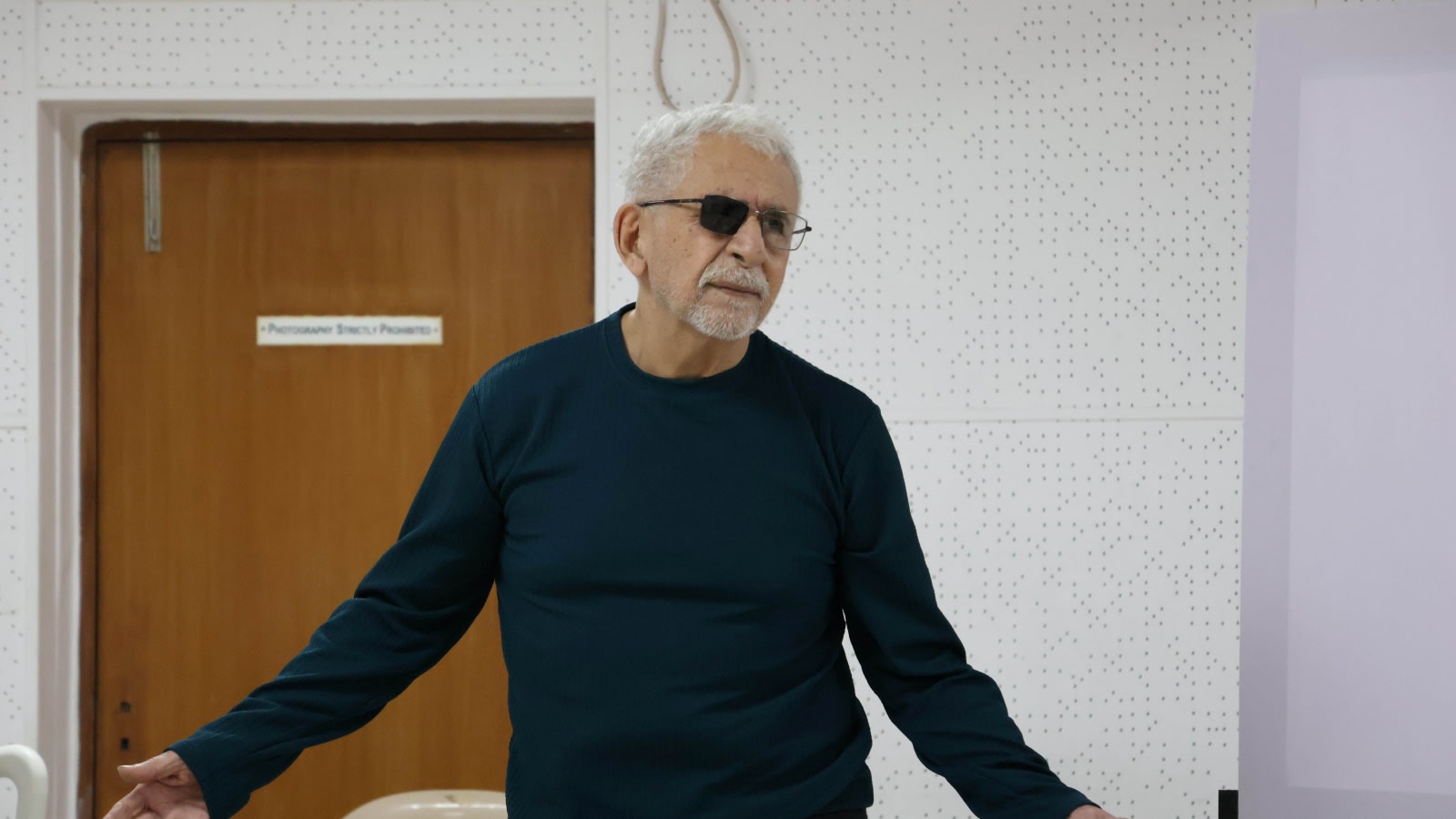
Actor Naseeruddin Shah is set to perform in '27 Seconds,' a play inspired by Salman Rushdie's memoir 'Knife.' The production serves as a powerful commentary on the necessity of artistic freedom following the 2022 attack on Rushdie.
The Intersection of Art and Survival: Naseeruddin Shah’s '27 Seconds'
Naseeruddin Shah, one of India’s most celebrated actors and directors, is bringing a poignant narrative to the stage with his upcoming play, 27 Seconds. The production centers on the critical theme of artistic freedom, drawing direct inspiration from Knife: Meditations After an Attempted Murder, the harrowing autobiographical account by Salman Rushdie. The title itself serves as a chilling reminder of the duration of the 2022 stabbing attack at the Chautauqua Institution in New York, an event that left an indelible mark on the literary world.
A Visual Representation of Trauma
In a striking directorial choice, Shah performs a segment of the play with one of his lenses darkened. This is not merely a stylistic flourish but a somber tribute to the physical reality of the attack, which resulted in the permanent loss of sight in one of Rushdie’s eyes. By embodying this physical limitation, Shah bridges the gap between the actor and the author, forcing the audience to confront the tangible, lifelong consequences of ideological violence directed at creative expression.
Art as an Essential Human Right
At the heart of the performance is a powerful monologue delivered by Shah, where he posits that "art is not a luxury." He argues that art is fundamental to the human experience, essential for our collective ability to think critically, perceive the world with fresh eyes, and foster societal renewal. This message serves as a direct rebuttal to those who seek to censor or silence voices through violence, positioning artistic expression as a non-negotiable component of a free society.
The Broader Implications of Censorship
The play arrives at a time when the boundaries of speech and artistic autonomy are frequently contested globally. By centering the discourse on the 2022 attack, 27 Seconds elevates the conversation from a singular act of violence to a broader critique of the climate of fear that persists in the arts. Shah’s production acts as a rallying cry, emphasizing that the right to exist for any work of art should not require special protection, but rather an environment that respects the sanctity of the creative process.
Historical Context and Future Trends
Historically, the literary world has seen various attempts to suppress controversial voices, yet figures like Rushdie have consistently become symbols of resilience. Shah’s adaptation of Knife suggests a future trend where artists use the stage to process and reclaim narratives of trauma. By transforming a moment of attempted assassination into a profound exploration of human endurance, the play ensures that the dialogue surrounding Rushdie’s experience remains at the forefront of public consciousness.
Conclusion
Ultimately, 27 Seconds is more than a theatrical adaptation; it is an act of defiance. By linking the physical trauma suffered by Salman Rushdie to the philosophical necessity of artistic freedom, Naseeruddin Shah has crafted a work that challenges audiences to value the creative spirit. It stands as a testament to the idea that even in the face of brutal attempts to silence them, the voices of artists remain the most vital tool for the renewal of our world.