Japanese anime helped me unwind, says NEET-UG topper Aryan Gupta
Source Entity
Latest News: Today's Latest News Headlines from India & World | Hindustan Times | Hindustan Times
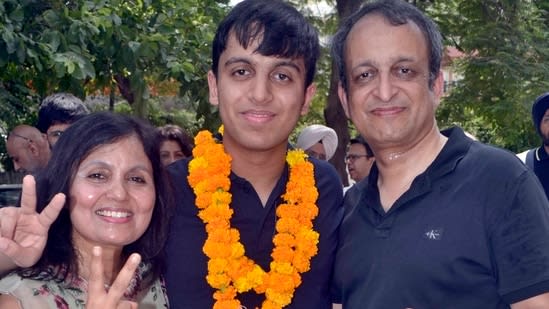
Aryan Gupta and Prakul Garg emerged as top performers in NEET-UG 2026, with Gupta securing AIR 1 despite the psychological toll of a paper leak cancellation. Their success stories highlight a blend of rigorous discipline and modern coping mechanisms like anime and sports.
Resilience Amidst Chaos: Analyzing the NEET-UG 2026 Success Stories
The NEET-UG 2026 results have brought to light not only the academic brilliance of India's youth but also the immense psychological pressure associated with one of the world's most competitive medical entrance exams. The stories of Aryan Gupta and Prakul Garg serve as contrasting yet complementary case studies in preparation, resilience, and mental endurance. While the achievement of securing a top rank is the headline, the underlying narrative is one of overcoming systemic failures and personal struggles.
Overcoming Systemic Setbacks: The Paper Leak Crisis
One of the most critical aspects of the 2026 cycle was the cancellation of the original examination held on May 3 following allegations of a paper leak. This event introduced a significant variable: psychological fatigue. For Aryan Gupta, who had already scored a formidable 696 marks in the cancelled attempt, the requirement to return to the books for a June 21 re-test was a grueling challenge. This situation underscores a growing trend of instability in high-stakes testing in India, where administrative lapses can jeopardize the mental well-being of millions of aspirants. Aryan's ability to treat the re-test as a "second chance to do better" rather than a setback is a testament to his cognitive flexibility.
The Role of Holistic Balance and Mental Health
Interestingly, Aryan Gupta's path to the national top spot (sharing AIR 1 with Panshul Bansal with 715/720 marks) was not defined by monastic isolation. His use of Japanese anime, music, and table tennis to "unwind" suggests a shift in the preparation paradigm. By integrating short, high-engagement breaks, he managed to mitigate the symptoms of depression he faced during his journey. This highlights a crucial evolution in student strategies: the recognition that mental health maintenance is not a distraction from study, but a prerequisite for peak performance.
Disciplined Rigor: The Strategy of Prakul Garg
In contrast to the narrative of recovery, Prakul Garg’s achievement of AIR 63 exemplifies the power of structured, disciplined rigor. A resident of Mohali and student of Sri Chaitanya Techno School, Garg implemented a grueling 10-to-16-hour daily study routine. His strategic approach—prioritizing Physics and Chemistry before dedicating the final three months exclusively to Biology—demonstrates a sophisticated understanding of subject-weightage and memory retention. This subject-specific phasing is a classic high-performance tactic used to ensure that volatile information (like Biology facts) is fresh in the mind during the exam.
Support Systems and Mentorship
Both toppers emphasize the role of external support. Aryan Gupta credits his elder brother, Aditya (who secured AIR 54 the previous year), as his ultimate mentor. This familial lineage of success provided Aryan with a blueprint for success and an emotional safety net. Furthermore, Aryan's "absolute trust" in his teachers suggests that while self-study is vital, the guidance of experienced educators remains the cornerstone of cracking the NEET-UG. The synergy between peer motivation, family mentorship, and professional coaching creates a comprehensive support ecosystem that buffers students against the stress of the exam.
Future Trends and Implications
Looking forward, these narratives suggest two diverging trends in competitive exam preparation. On one hand, there is a continued reliance on extreme discipline and long hours, as seen with Prakul Garg. On the other, there is a rising awareness of the need for mental health interventions and balanced lifestyles, as seen with Aryan Gupta. As the competition for medical seats intensifies and the risk of systemic disruptions like paper leaks persists, the students who survive and thrive will likely be those who can balance academic intensity with emotional resilience and strategic flexibility.
Verification Required?