Pune civic body plans carbon credit policy, eyes Rs 20 crore annual revenue
Source Entity
Ajay Jadhav
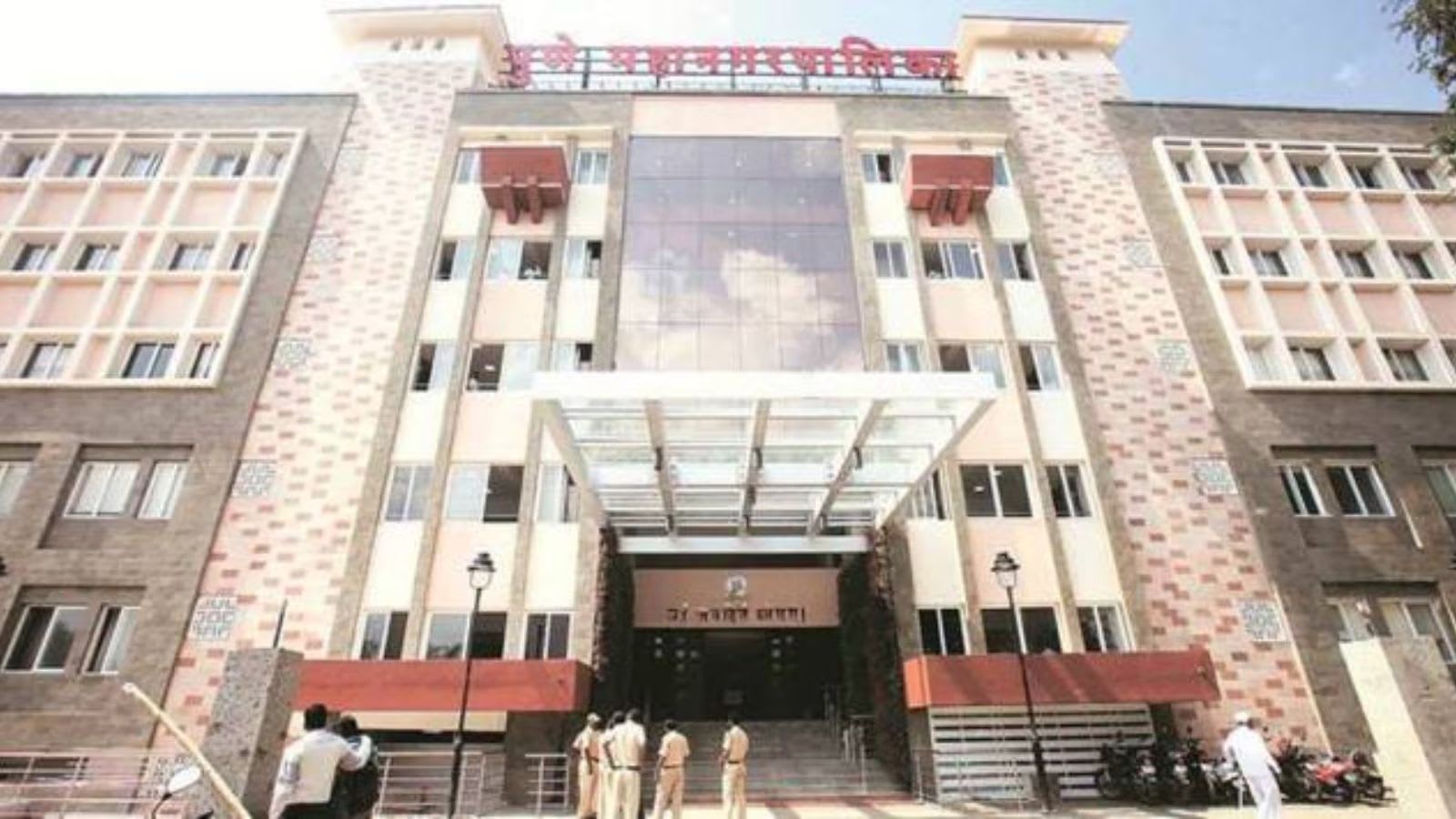
The Pune Municipal Corporation (PMC) is exploring a carbon credit policy to generate an estimated Rs 20 crore in annual revenue. Mayor Manjusha Nagpure intends to utilize these funds for environmental protection and citizen-oriented development projects.
Pune Municipal Corporation's Strategic Shift Toward Green Financing
In a significant move toward sustainable urban governance, the Pune Municipal Corporation (PMC) has initiated the exploration of a carbon credit policy. This initiative, recently approved via a resolution, aims to transform the city's environmental conservation efforts into a viable revenue stream. By identifying and implementing eligible green projects, the civic body expects to generate approximately Rs 20 crore annually. This strategy represents a sophisticated intersection of fiscal management and climate action, positioning Pune as a forward-thinking urban center in India's fight against climate change.
The Economics of Carbon Credits in Urban Governance
The projection of Rs 20 crore in annual revenue highlights the PMC's ambition to diversify its income sources beyond traditional taxes and grants. Carbon credits are essentially tradable permits that represent the removal or avoidance of one tonne of carbon dioxide from the atmosphere. For a municipal body, this means that any project—such as large-scale urban afforestation, waste-to-energy plants, or the transition to electric public transport—that demonstrably reduces carbon emissions can be quantified and sold on the carbon market. Mayor Manjusha Nagpure's proposal suggests that the city intends to capitalize on its existing and future green infrastructure to create a self-sustaining financial loop.
Directing Funds Toward Environmental and Citizen Welfare
A critical component of this policy is the earmarked destination of the generated funds. Mayor Nagpure has explicitly stated that the revenue will be utilized for environment protection and citizen-oriented development works. This ensures that the financial gains from carbon trading are not lost in general administrative costs but are instead reinvested into the community. By linking carbon credits to citizen-oriented development, the PMC is creating a tangible link between global climate goals and local quality-of-life improvements, such as better air quality, expanded green spaces, and improved sustainable infrastructure for the residents of Pune.
Institutionalizing Sustainability through Policy
The fact that the civic body has already approved a resolution to examine the proposal indicates a formal institutional commitment to this transition. This is not merely a conceptual idea but a structured policy exploration. By creating a formal carbon credit framework, the PMC is establishing a blueprint for how municipal corporations can quantify their ecological contributions. This process requires rigorous auditing and verification of green projects, which will likely lead to more transparent and data-driven environmental management within the city's administration.
Broader Implications for Indian Urbanism
Pune's approach could serve as a catalyst for other major Indian cities. As urban centers across the country struggle with pollution and the high costs of sustainable infrastructure, the ability to monetize carbon offsets provides a powerful incentive for local governments to prioritize the environment. If the PMC successfully implements this policy and realizes the estimated Rs 20 crore revenue, it will provide a proof-of-concept for a 'Green Municipal Economy,' where ecological health is directly tied to financial solvency.
Future Outlook and Potential Challenges
Looking ahead, the success of this policy will depend on the PMC's ability to identify high-impact green projects that meet international carbon credit standards. The transition from a resolution to a fully operational revenue stream will require technical expertise in carbon accounting and strategic partnerships with carbon traders. However, if executed correctly, this policy will not only provide a financial cushion for the city but will also accelerate Pune's journey toward becoming a carbon-neutral urban hub, balancing industrial growth with ecological preservation.
Conclusion
The Pune Municipal Corporation's foray into carbon credits is a landmark step in integrating environmental stewardship with municipal finance. By aiming for an annual revenue of Rs 20 crore to fund both nature and people, the PMC is redefining the role of a civic body in the era of climate change. This initiative underscores a strategic vision where sustainability is no longer viewed as a cost center, but as a primary driver of urban development and citizen welfare.