NEET UG paper leak: CBI files charges against 13 accused
Source Entity
The Indian Express
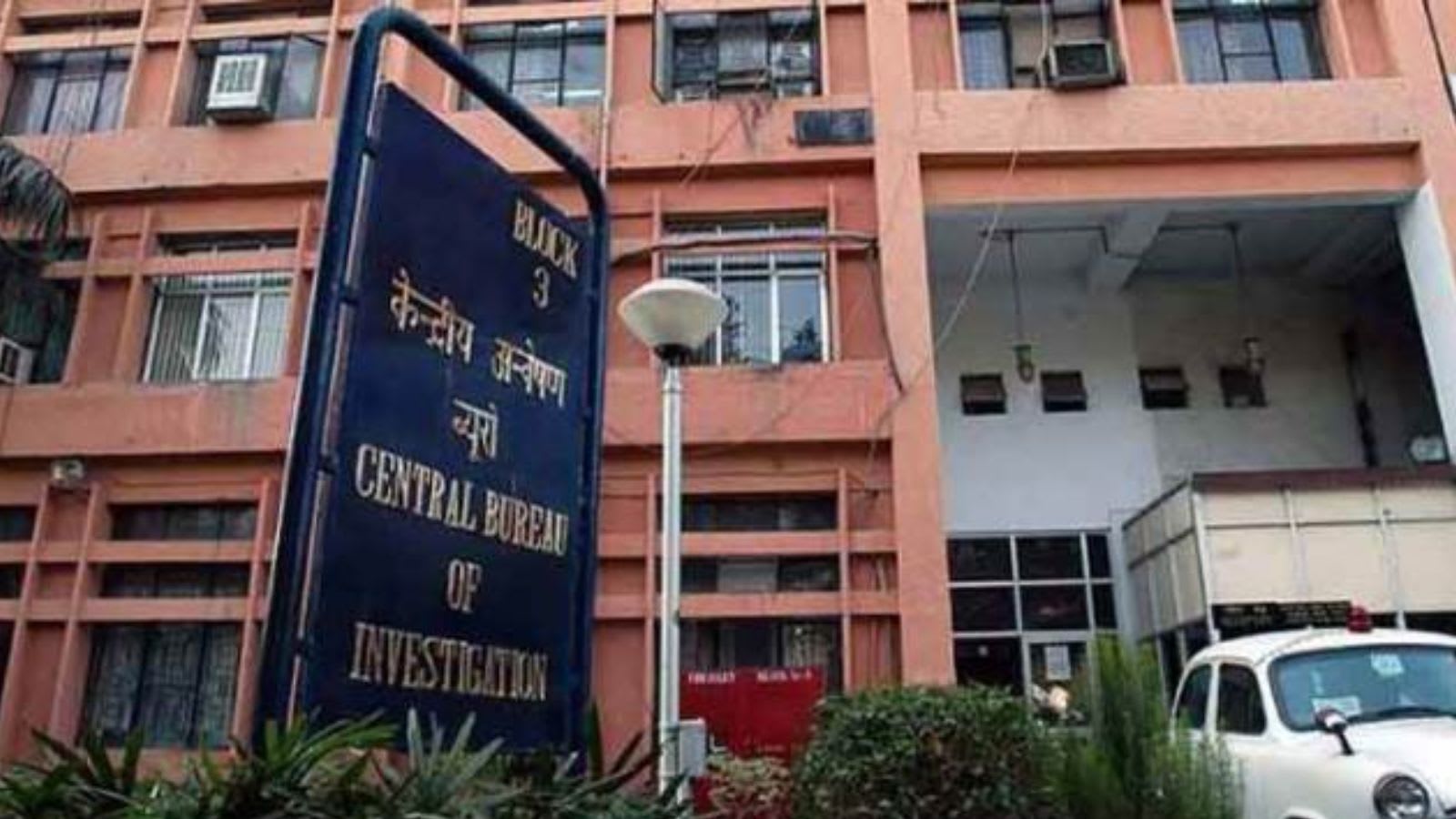
The CBI has filed a charge sheet against 13 individuals involved in the 2026 NEET-UG paper leak case. Meanwhile, legal proceedings continue regarding protest-related violence, with the Supreme Court examining the oversight of Delhi Police actions.
The NEET-UG Crisis: Accountability and Legal Reckoning
The Anatomy of the 2026 Paper Leak
The integrity of the 2026 NEET-UG examination was compromised by a significant security breach, affecting over 22.7 lakh aspirants who sat for the initial test on May 3. The subsequent investigation revealed a deep-seated conspiracy, allegedly involving P.V. Kulkarni, an NTA panel member and translator, who is accused of leaking the confidential question papers. The fallout of this breach was immediate, leading to the cancellation of the exam on May 12 and the administration of a retest on June 21, with final results eventually published on July 16.
CBI Investigation and Judicial Proceedings
The Central Bureau of Investigation (CBI) has formally initiated the judicial process by filing a charge sheet against 13 accused individuals. The case, which highlights the nexus between coaching institutes and exam administrators, involves figures such as Shivraj Motegaonkar, who allegedly procured the leaked materials at a hospital premises owned by co-accused Manoj Bhagwanrao Shirure. The matter is currently slated for hearing before the fast-track court of Special Judge Anu Grover Baliga at the Rouse Avenue Court.
Protest-Related Legal Challenges
Beyond the central leak, the aftermath of the exam controversy triggered widespread civil unrest. In Assam, the state government has initiated a review of five cases registered against protesters, with some accused individuals now seeking bail by citing the state's move to drop certain charges. This reflects a broader trend of balancing public order with the democratic right to dissent in the wake of systemic administrative failures.
Supreme Court Oversight and Executive Accountability
The Supreme Court of India is currently scrutinizing the handling of protests that occurred on July 20 in the national capital. Central to this debate is the level of coordination—or lack thereof—between the Delhi Police and the Ministry of Home Affairs (MHA). Historically, the court has emphasized that the MHA must be kept informed regarding law and order situations in the capital, as evidenced by the 2012 Ramlila Maidan Incident judgment.
Broader Implications and Future Trends
The current situation underscores the urgent need for structural reforms within the National Testing Agency (NTA). The reliance on manual translation and the vulnerability of exam centers to local coaching mafias suggest that future competitive examinations must implement more rigorous, technology-driven security protocols. Furthermore, the ongoing judicial scrutiny into police conduct during student protests indicates that the judiciary is increasingly wary of political influence affecting law enforcement responses to public grievances.
Conclusion
As the legal system processes the 13 accused in the primary leak case, the broader NEET-UG controversy continues to serve as a catalyst for institutional reform. The convergence of criminal investigation, state-level legal reviews, and Supreme Court oversight highlights the multifaceted challenge of restoring public trust in India's massive competitive examination ecosystem.
Multiple Citing Sources