Why Nepal PM Balendra Shah is meeting India, China ambassadors after 100 days in office
Source Entity
The Indian Express
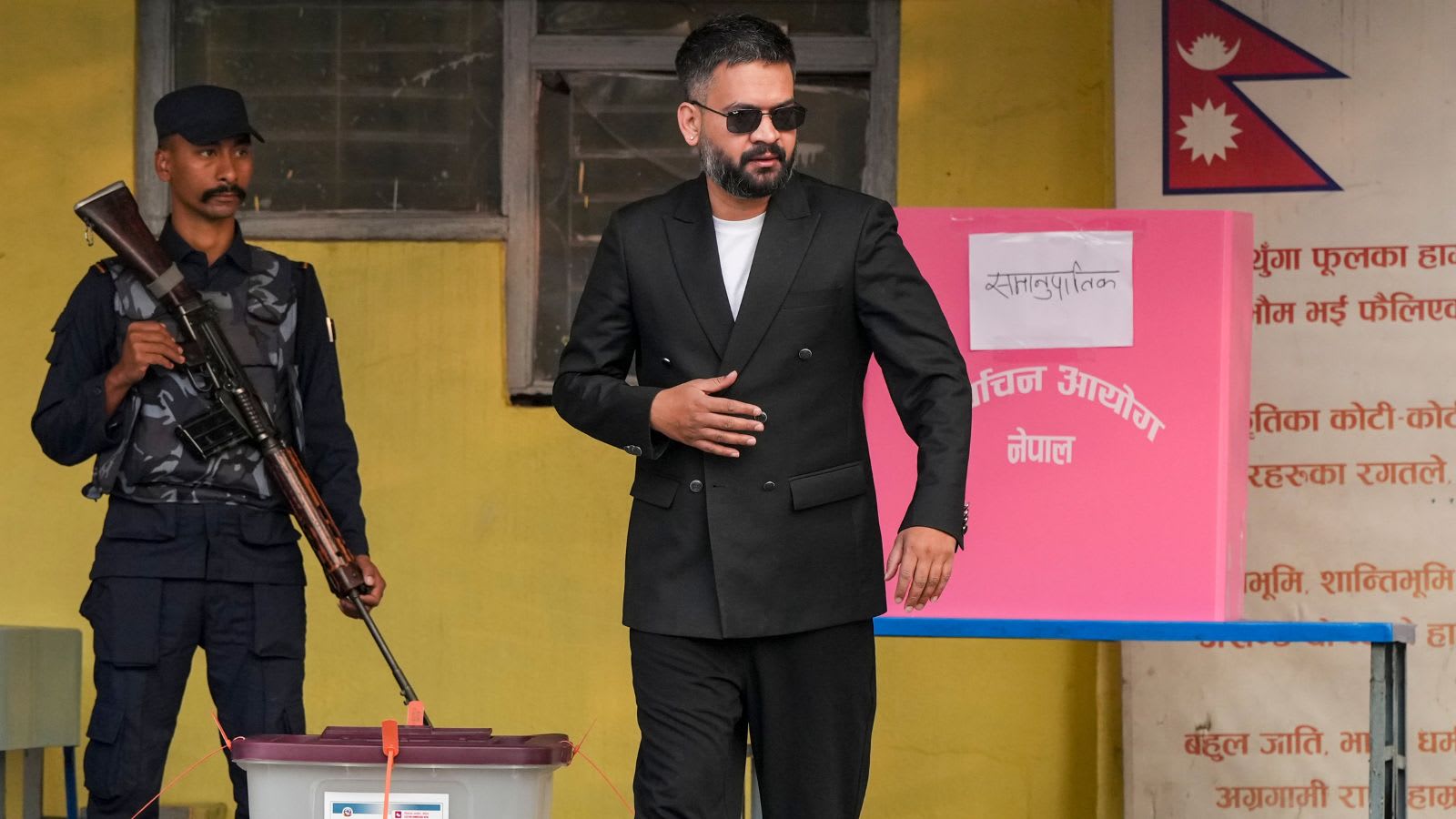
Nepal Prime Minister Balendra Shah is breaking his self-imposed diplomatic protocol to meet with Indian and Chinese ambassadors. This shift follows his government's completion of its first 100 days in office.
A Shift in Diplomatic Strategy: Balendra Shah's New Approach
Nepal Prime Minister Balendra Shah has reached a significant milestone, marking 100 days in office. Throughout this initial period, Shah maintained a strict, self-imposed protocol of avoiding formal meetings with foreign ambassadors. This approach was largely perceived as a strategy to focus on domestic governance and internal administrative consolidation. However, reports indicate that this period of diplomatic isolation is coming to an end as the administration moves into a new phase of international engagement.
Breaking the Diplomatic Silence
The decision to engage with foreign envoys represents a noteworthy pivot for the Shah administration. By choosing to meet with both India’s Ambassador, Naveen Srivastava, and China’s Ambassador, Zhang Maoming, on the same day, the government is signaling a desire to maintain a balanced diplomatic posture. This dual-track engagement is critical for a nation like Nepal, which historically occupies a delicate geopolitical position between two regional superpowers.
The Role of the Foreign Ministry
According to reports, the coordination of these meetings is being handled directly by Nepal’s foreign ministry. This institutional involvement suggests that the meetings are not merely informal discussions but are intended to be structured, high-level diplomatic exchanges. While specific dates remain unconfirmed, the orchestration by the foreign ministry underscores the gravity of this shift in policy and the government's intent to formalize these relationships moving forward.
Regional Geopolitics and Balancing Acts
Nepal’s foreign policy has long been characterized by the necessity of navigating the competing interests of New Delhi and Beijing. By breaking his self-imposed rule, Prime Minister Shah is acknowledging the reality that effective governance in Kathmandu often requires active, high-level communication with these primary neighbors. The simultaneous nature of these scheduled meetings likely serves to avoid perceptions of favoritism and reinforces Nepal’s commitment to a non-aligned, independent foreign policy.
Implications of the 100-Day Milestone
The timing of this shift—occurring immediately following the 100-day mark—is highly symbolic. In political terms, the first 100 days are often used to establish a domestic mandate and finalize internal priorities. Having completed this stage, the Shah administration is now signaling that it is prepared to address external affairs, signaling a transition from a purely domestic-focused agenda to a more comprehensive approach that includes international diplomacy.
Future Trends in Nepal's Foreign Policy
Looking ahead, this development suggests that the Shah government is evolving its operational style. By engaging with both major powers at once, the administration is likely attempting to create a stable environment for potential economic cooperation and infrastructure development. As the government moves beyond its initial phase, the success of these meetings will likely determine the trajectory of Nepal’s foreign relations for the remainder of its term, setting a precedent for how the current leadership intends to interact with global stakeholders.