'A rare moment of joy': Nepal tunnel rescues give hope for more flood survivors
Source Entity
BBC News
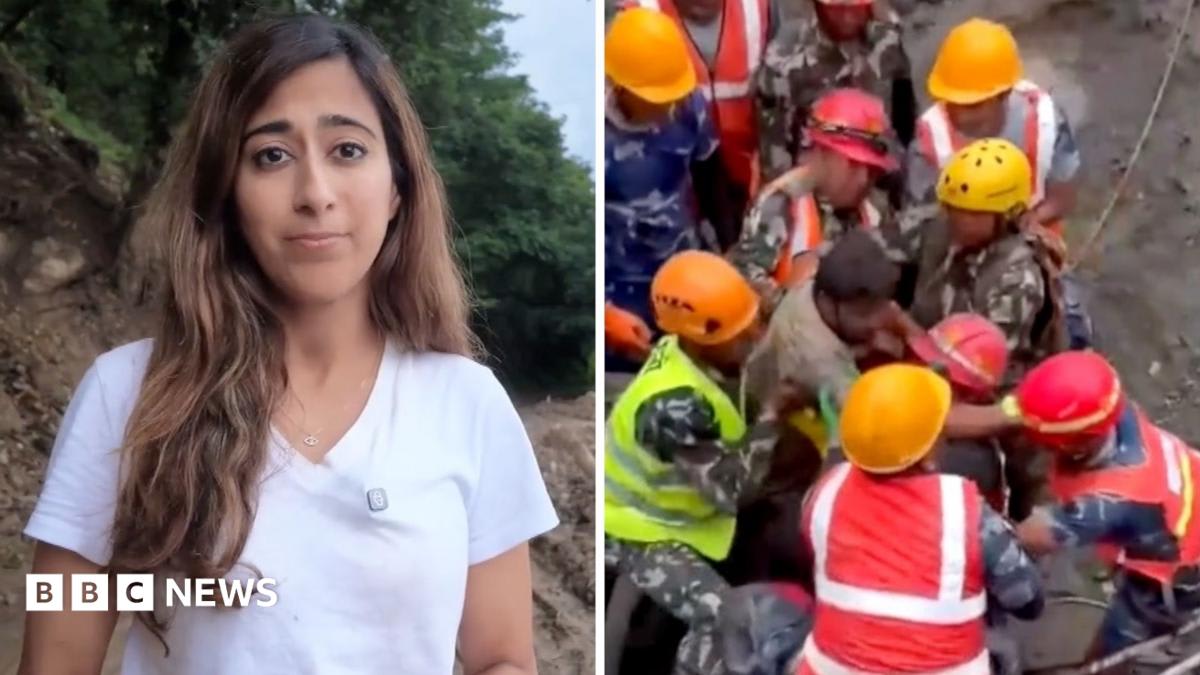
Rescuers in Nepal are working to locate survivors trapped in hydropower tunnels eight days after devastating Himalayan glacial floods. While some tourists have re-established contact, over 4,200 people remain missing and the confirmed death toll has surpassed 1,200.
The Himalayan Crisis: A Catastrophic Glacial Collapse
Eight days following the catastrophic flash floods triggered by a glacial collapse in the Himalayas, the situation along the Nepal-Tibet border remains dire. The disaster, which sent torrents of water and debris surging through villages and critical infrastructure, has resulted in at least 1,252 confirmed deaths. As rescue operations persist, the focus has shifted toward the treacherous tunnels of hydropower plants along the Trishuli River, where hundreds of individuals are feared trapped beneath layers of mud and silt.
The Struggle for Survival in Hydropower Tunnels
The scale of the disaster is perhaps best illustrated by the ongoing efforts at various hydropower sites. Reports indicate that approximately 900 people remain trapped within six different hydropower plants, structures designed for energy production but now serving as potential pockets of survival—or tragic tombs. The recent successful extraction of two workers from a tunnel offers a rare glimmer of hope, proving that survival is possible despite the overwhelming volume of debris and the passage of over a week since the initial flood surge.
Humanitarian Impact and the Missing
Beyond the infrastructure damage, the human cost is staggering. With over 4,200 people still missing, the psychological toll on families is immense. In Kathmandu, the emergence of a "wall of the missing" serves as a somber focal point for those seeking answers, while some families have begun the difficult process of holding symbolic funerals for loved ones who have yet to be found. The inclusion of foreign nationals and Indian pilgrims traveling toward the Kailash Mansarovar region underscores the international scope of this tragedy.
Environmental Context and Future Risks
The disaster highlights the growing vulnerability of Himalayan communities to climate-related phenomena. Glacial collapses, often resulting from the rapid melting or destabilization of glacial lakes, pose an existential threat to downstream regions. As these floods swept through roads and settlements, they transformed once-vibrant mountain villages into landscapes dominated by mud and silt, complicating recovery efforts and destroying vital supply routes.
Coordination and Recovery Challenges
Rescuers, including international correspondents like Azadeh Moshiri, are currently navigating the logistical nightmare of the disaster zone. The combination of remote terrain, unstable ground, and the sheer volume of debris creates a hazardous environment for emergency responders. The fact that some tourists have managed to make contact with authorities provides a small beacon of relief, yet the broader search mission remains a race against time as the window for finding survivors in the tunnels narrows significantly.
Concluding Outlook
As the search continues, the international community and Nepali authorities are faced with the daunting task of recovery and long-term stabilization. The disaster serves as a grim reminder of the volatility of high-altitude ecosystems. Future trends suggest that as climate volatility increases, the necessity for improved early warning systems and more resilient infrastructure in the Himalayas will become the primary focus for regional governments to prevent such a catastrophic loss of life in the future.
Multiple Citing Sources