In the AI ‘robogym,’ machines train to be more like humans
Source Entity
The Indian Express
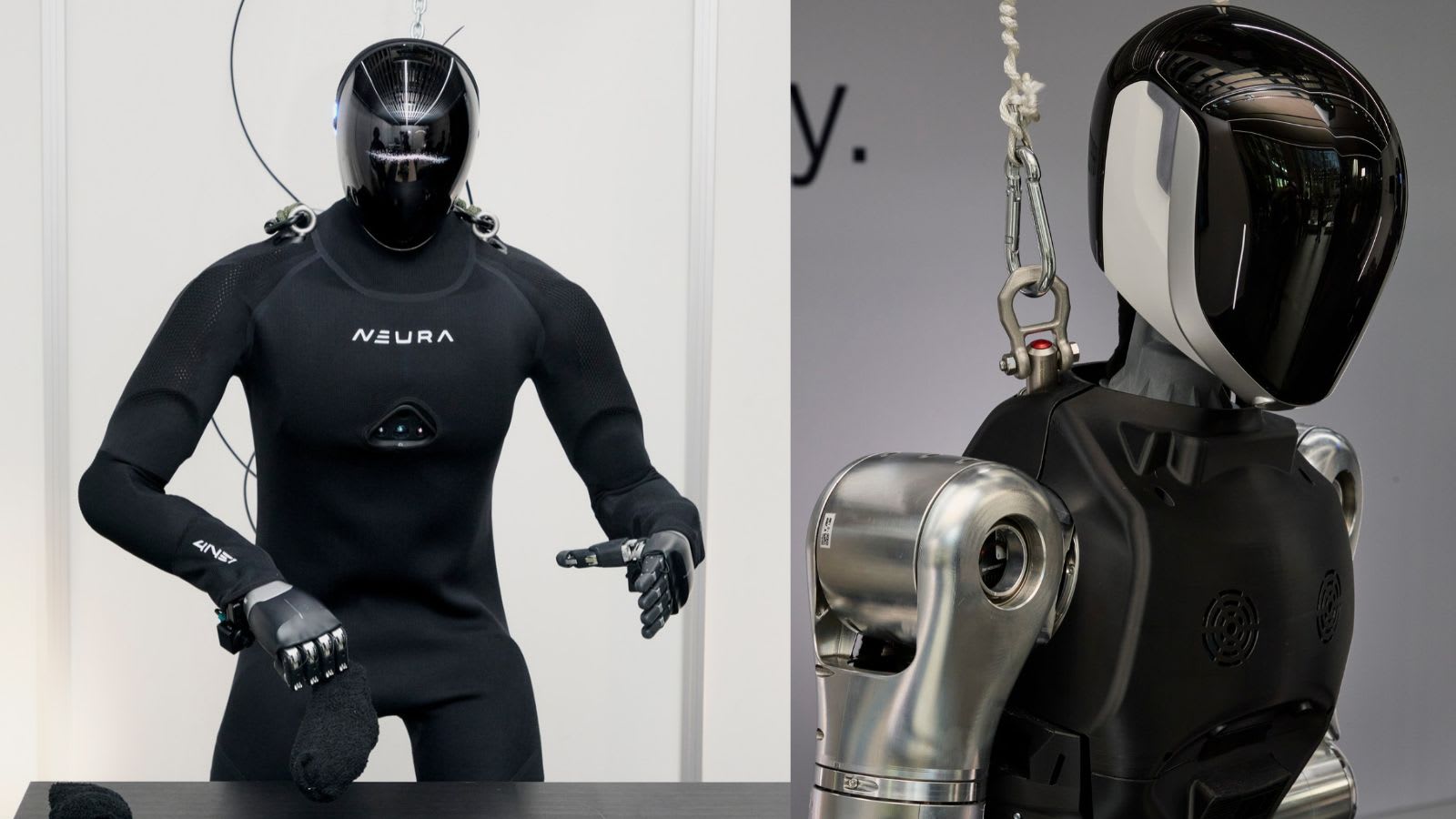
Neura Robotics is emerging as a pivotal player in Europe's industrial AI sector by attracting major investments from Nvidia and Amazon. The company aims to revitalize European manufacturing and compete globally through advanced physical AI integration.
The Rise of Neura Robotics: Bridging the Digital-Physical Divide
A New Powerhouse in Metzingen
While Metzingen, Germany, is globally recognized as the home of the fashion giant Hugo Boss, a new industrial force is emerging from the same small town. Neura Robotics, led by founder David Reger, has rapidly ascended from an obscure startup to a major player in the global technology landscape. Despite its modest geographical footprint, the company has secured significant backing from industry titans like Nvidia and Amazon, signaling a high-stakes bet on the future of physical intelligence.
Strategic Investments and Geopolitical Significance
The influx of capital from firms like Nvidia and Amazon is not merely a financial transaction; it is a strategic alignment. These investments highlight the critical role that robotics and artificial intelligence play in the contemporary global economy. By attracting the attention of leaders from Europe’s three largest economies, Neura Robotics has positioned itself at the center of a broader policy push to modernize the continent’s industrial backbone through cutting-edge automation.
Revitalizing Europe’s Manufacturing Sector
Europe’s manufacturing sector has faced significant headwinds in recent years, struggling with aging infrastructure and intense global competition. Neura Robotics represents a beacon of hope for this sector, offering technological solutions that could fundamentally transform factory floors. By integrating AI into physical machinery, the company seeks to move beyond traditional, static automation toward more adaptive, human-like robotic systems.
Competing on the Global Stage
The emergence of Neura Robotics is intrinsically linked to the ongoing rivalry between European, Chinese, and American manufacturing models. As China continues to dominate the global supply chain, Europe is looking to leverage its strength in engineering combined with next-generation AI to regain its competitive edge. Neura’s 'robogym' concept—where machines learn to interact with the physical world—is a key component of this effort to foster a more resilient and efficient European industrial ecosystem.
The Future of Physical AI
The transition of AI from digital interfaces to physical robots marks a paradigm shift in technological development. While large language models have dominated the discourse, the real-world application of these systems in manufacturing is where the most significant economic gains lie. Neura Robotics is operating at the vanguard of this shift, attempting to bridge the gap between abstract algorithmic intelligence and the tangible demands of industrial production.
Conclusion: A Transformative Trajectory
Neura Robotics stands as a testament to the potential of targeted industrial investment. By focusing on the 'robogym'—a space for machines to train and adapt—the company is addressing the fundamental challenge of scaling robotics in unpredictable environments. As they continue to grow, their success could define the future trajectory of European manufacturing, proving that even small-town startups can lead global technological revolutions.