Flesh-eating screwworms are feasting on pets; 4 dogs and cat attacked this week
Source Entity
Beth Mole
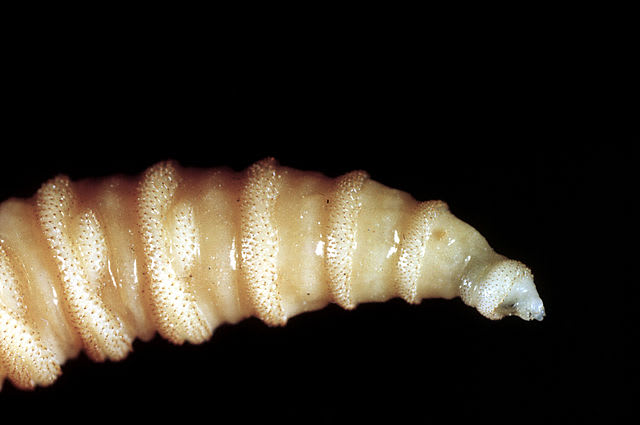
An outbreak of New World Screwworms has spread to Arizona, marking a growing threat to pets across three U.S. states. The USDA reports 74 animal cases since June, highlighting the severe biological danger these parasitic flies pose to domestic and wild animals.
The Resurgence of the New World Screwworm
The recent identification of New World Screwworm (NWS) cases in Arizona signals a concerning expansion of a parasitic threat that has plagued the American Southwest since June. With the total number of confirmed animal cases reaching 74 across Texas, New Mexico, and now Arizona, the re-emergence of this biological hazard presents a significant challenge for veterinary health and animal welfare. The rapid spread of these flies underscores the volatility of regional ecological health and the persistent risk posed by invasive species that thrive in specific climatic conditions.
Understanding the Biological Mechanism
Unlike common blowflies, the New World Screwworm is a highly aggressive parasite. The flies are known to deposit hundreds of eggs into open wounds or moist body orifices of living animals. Once hatched, the larvae—or maggots—burrow into the host's tissue. Their name is derived from the distinct, screw-like ridges on their bodies, which allow them to bore into healthy living flesh, causing deep, necrotic, and often fatal wounds. This behavior differentiates them from other scavengers that typically feed only on dead tissue, making the NWS an exceptionally dangerous threat to pets, livestock, and wildlife.
Geographical Spread and Economic Impact
The inclusion of Arizona in the list of affected states suggests that the infestation is not merely a localized event but a regional one. Historically, the United States successfully eradicated the NWS decades ago through the Sterile Insect Technique (SIT), which involved releasing millions of sterilized male flies to disrupt the reproductive cycle. The current re-invasion highlights the fragility of this victory and the necessity for continued vigilance. Beyond the immediate tragedy of pet fatalities, the potential economic impact on the agricultural sector is immense, as livestock producers face the risk of widespread herd infection and the subsequent loss of productivity.
Public Health and Veterinary Vigilance
For pet owners in the affected regions, the situation necessitates heightened awareness. The maggots, if left untreated, can consume large portions of an animal's tissue in a short window of time, leading to rapid health deterioration. Veterinary experts advise immediate inspection of any open wounds on domestic animals and prompt medical intervention. The USDA’s role in tracking these 74 cases is critical, as public awareness serves as the first line of defense in containing the spread of the flies before they reach higher-density urban populations.
Future Trends and Mitigation
Looking ahead, the containment of the New World Screwworm will likely depend on the effectiveness of ongoing surveillance programs and the potential deployment of large-scale sterilization efforts. As the climate shifts, the migratory patterns of these flies may be influenced, potentially creating new habitats that were previously inhospitable. Experts will likely focus on strengthening border monitoring and educating the public on identifying early symptoms of infestation. The goal remains to prevent the NWS from establishing a permanent foothold in the U.S., a task that requires a concerted effort between federal agencies and local communities to protect both domestic animals and the broader ecosystem.