NHRC, AAP face-off over safety of buses ferrying pilgrims under Punjab scheme
Source Entity
Kanchan Vasdev
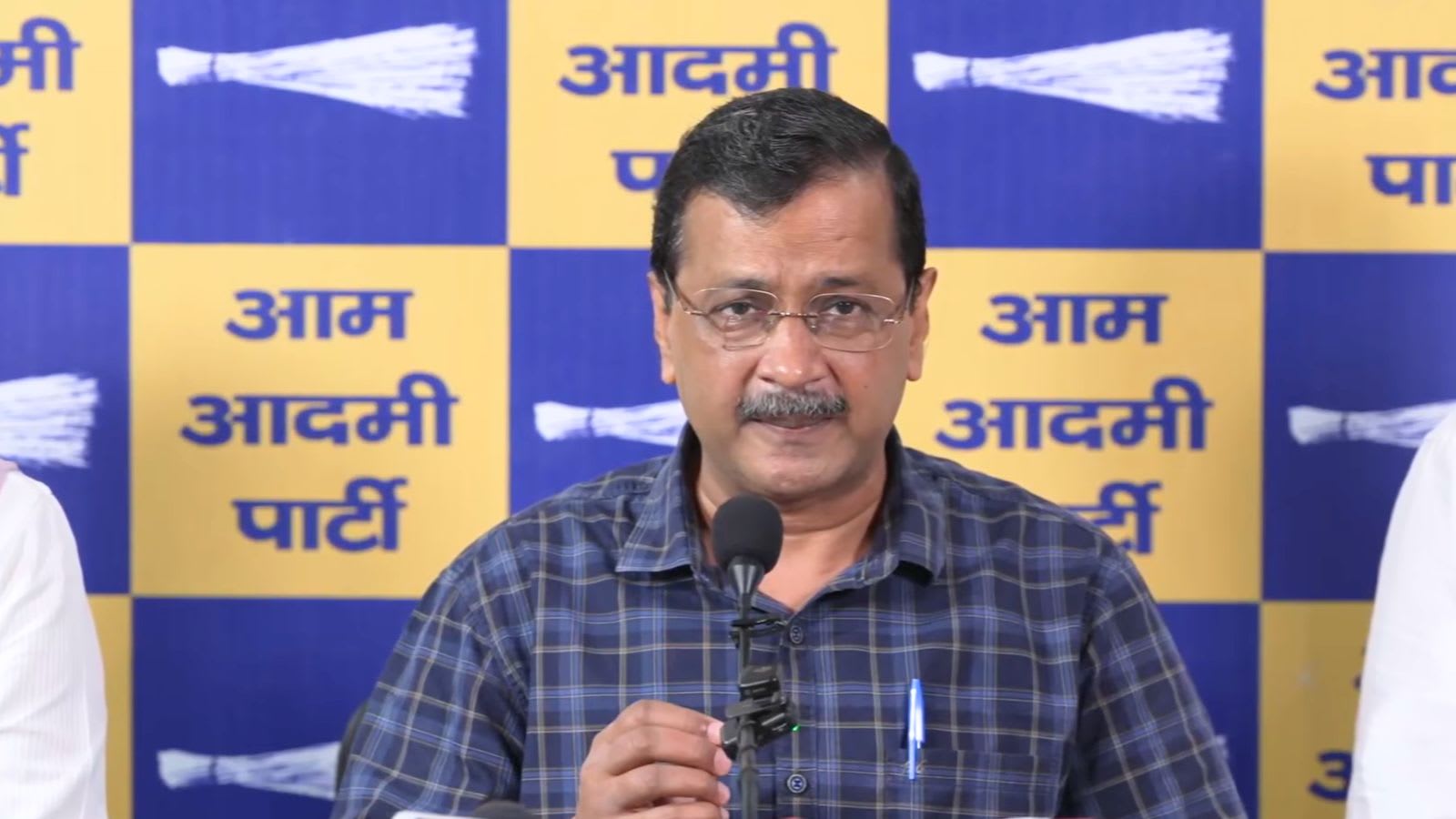
The NHRC and Punjab's AAP government are in conflict over the safety of buses used in the Mukh Mantri Tirath Yatra scheme. The commission has ordered a formal inspection following reports of unauthorized sleeper bus modifications.
NHRC and AAP Clash Over Pilgrimage Bus Safety
The National Human Rights Commission (NHRC) has initiated a significant inquiry into the safety protocols of the Punjab government’s 'Mukh Mantri Tirath Yatra' scheme. The confrontation centers on the deployment of sleeper buses, which have become a point of contention due to conflicting reports regarding their registration and structural integrity. This regulatory friction highlights the ongoing tension between oversight bodies and state administrative authorities regarding public transport safety.
The Core of the Regulatory Dispute
At the heart of the issue is a discrepancy between the Punjab Transport Department’s previous assurances and the current operational reality. Commission member Priyank Kanoongo has questioned the presence of sleeper buses within the state, noting that the transport department had previously claimed no such vehicles were registered. This oversight raises critical questions about the vetting process for vehicles contracted under state-sponsored pilgrimage schemes and whether administrative gaps are endangering citizens.
Allegations of Structural Modifications
The NHRC's intervention was prompted by a formal complaint alleging that the air-conditioned sleeper buses utilized for these pilgrimages have undergone unauthorized structural modifications. Specifically, reports indicate the presence of partitions separating drivers from passengers, which may violate standard safety regulations and evacuation protocols. Such modifications are often scrutinized for their impact on vehicle stability and the ability of passengers to exit safely in the event of an emergency or accident.
Accountability and Administrative Directives
In response to these allegations, the NHRC has issued a stern directive to Punjab Chief Secretary KAP Sinha. The commission has mandated that the Chief Secretary personally oversee the inspection of all buses deployed under the Mukh Mantri Tirath Yatra scheme. By requiring a comprehensive report within seven days, the NHRC is exerting its authority to ensure that the state government adheres to safety standards, emphasizing that the convenience of pilgrimage travel cannot supersede the fundamental right to safety.
Broader Implications for Public Transport
This incident underscores the broader challenges in managing large-scale state-sponsored transportation programs. When governments outsource transport services for public welfare schemes, the burden of ensuring compliance with motor vehicle laws remains a primary responsibility. The current stand-off serves as a cautionary tale for other states regarding the importance of inter-departmental transparency and the rigorous physical inspection of vehicles that carry high volumes of passengers, particularly elderly pilgrims.
Conclusion and Future Outlook
As the seven-day deadline approaches, the outcome of this inspection will likely set a precedent for how the Punjab government manages its fleet operations moving forward. If the NHRC’s concerns regarding unauthorized modifications are validated, it may force a systemic overhaul of the Mukh Mantri Tirath Yatra’s logistics. Ultimately, this conflict underscores the essential role of independent oversight in holding state governments accountable for the safety and well-being of their citizens.