No decision on ethanol blending beyond 20%: Govt
Source Entity
ATUL MATHUR
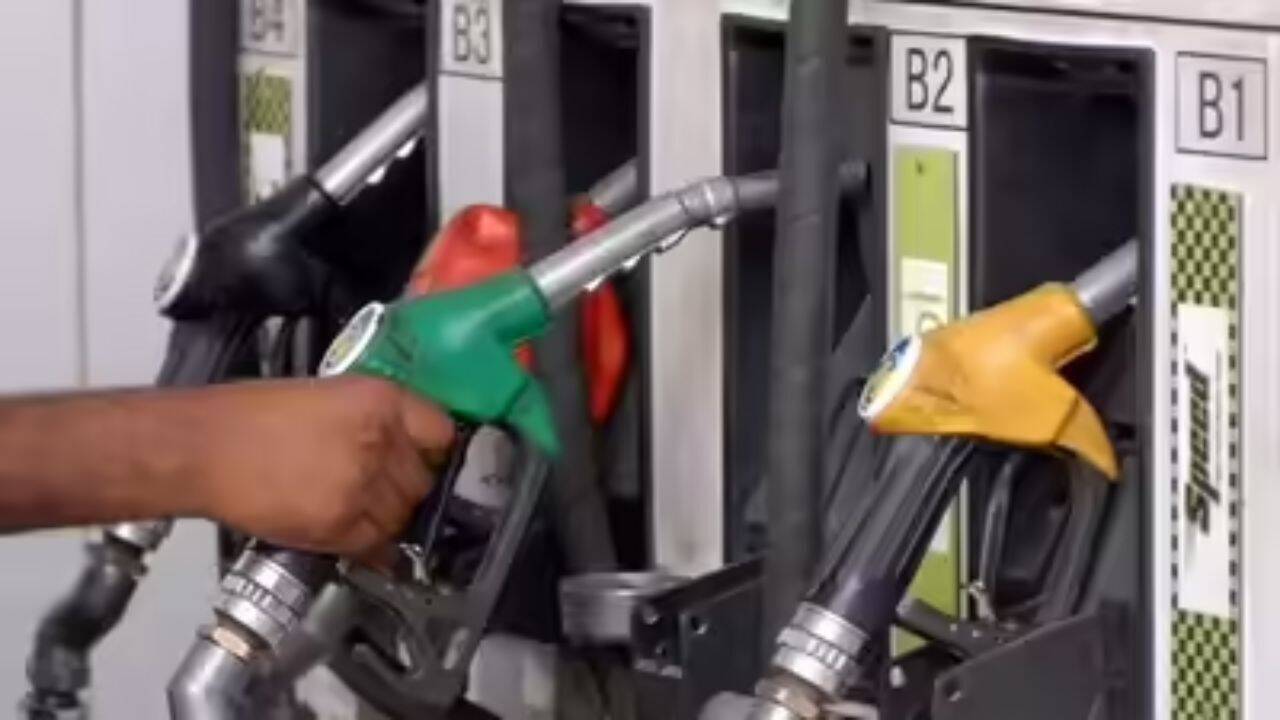
The Indian government has clarified that there are currently no plans to increase ethanol blending in petrol beyond the existing 20% limit. Officials emphasized that E20 transitions are evidence-based and refuted claims regarding vehicle damage from the fuel mix.
Government Clarifies Stance on Ethanol Blending Limits
Current Policy Framework and E20 Implementation
The Indian government has officially clarified that there is no current decision to increase ethanol blending in petrol beyond the 20% mark, known as E20. This announcement serves to stabilize the discourse surrounding the country's energy transition strategy. The move to E20 has been characterized by a phased, evidence-based approach, ensuring that the integration of biofuels into the national fuel supply chain is both gradual and technically sound.
Addressing Public Concerns and Technical Claims
A significant portion of the government's recent communication has been dedicated to dispelling public apprehension regarding vehicle performance. Reports circulating about potential engine damage caused by E20 fuel have been labeled as misleading and lacking technical evidence. By debunking these claims, the administration aims to maintain consumer confidence as the country continues to rely on E20 as a key component of its decarbonization strategy.
Operational Realities at Fuel Outlets
Clarifying the availability of fuel options, the government stated that outlets will not offer lower-blended fuel or pure petrol as alternatives to the standard E20 offerings. This standardization is designed to streamline the supply chain and ensure consistency across the network of state-run oil marketing companies. The commitment to this specific blend level reflects a balance between environmental goals and the logistical capacity of the current retail infrastructure.
Procurement Success and Market Impact
The scale of this initiative is highlighted by the procurement figures from state-run oil marketing companies, which have successfully acquired 705.43 crore litres of ethanol. This massive procurement demonstrates the government's ability to mobilize resources and integrate agricultural byproducts into the energy sector effectively. This volume of ethanol not only supports the E20 mandate but also signifies a robust partnership between the energy sector and the domestic sugar and grain industries.
Future Considerations for Diesel Blending
While the focus remains firmly on petrol, the government has addressed the potential for diesel blending. Any movement toward incorporating ethanol or other biofuels into diesel will be contingent upon rigorous technical evaluations and extensive consultations with all relevant stakeholders. This cautious approach ensures that future energy policies will be grounded in empirical data rather than speculative targets.
Concluding Summary
The government's recent statements provide much-needed clarity for consumers, industry players, and stakeholders. By maintaining the 20% cap for the foreseeable future and dismissing unsubstantiated concerns about vehicle longevity, the administration is prioritizing a stable, evidence-led energy transition. As the nation continues to scale its biofuel procurement, the emphasis remains on operational efficiency and the continued vetting of new technologies before widespread adoption.