North Korea’s entire strike triad now aimed at US ally? Hwasong-20 is the missile Seoul fears most?
Source Entity
Latest News: Todays Latest News Headlines from India & World | Hindustan Times | Hindustan Times
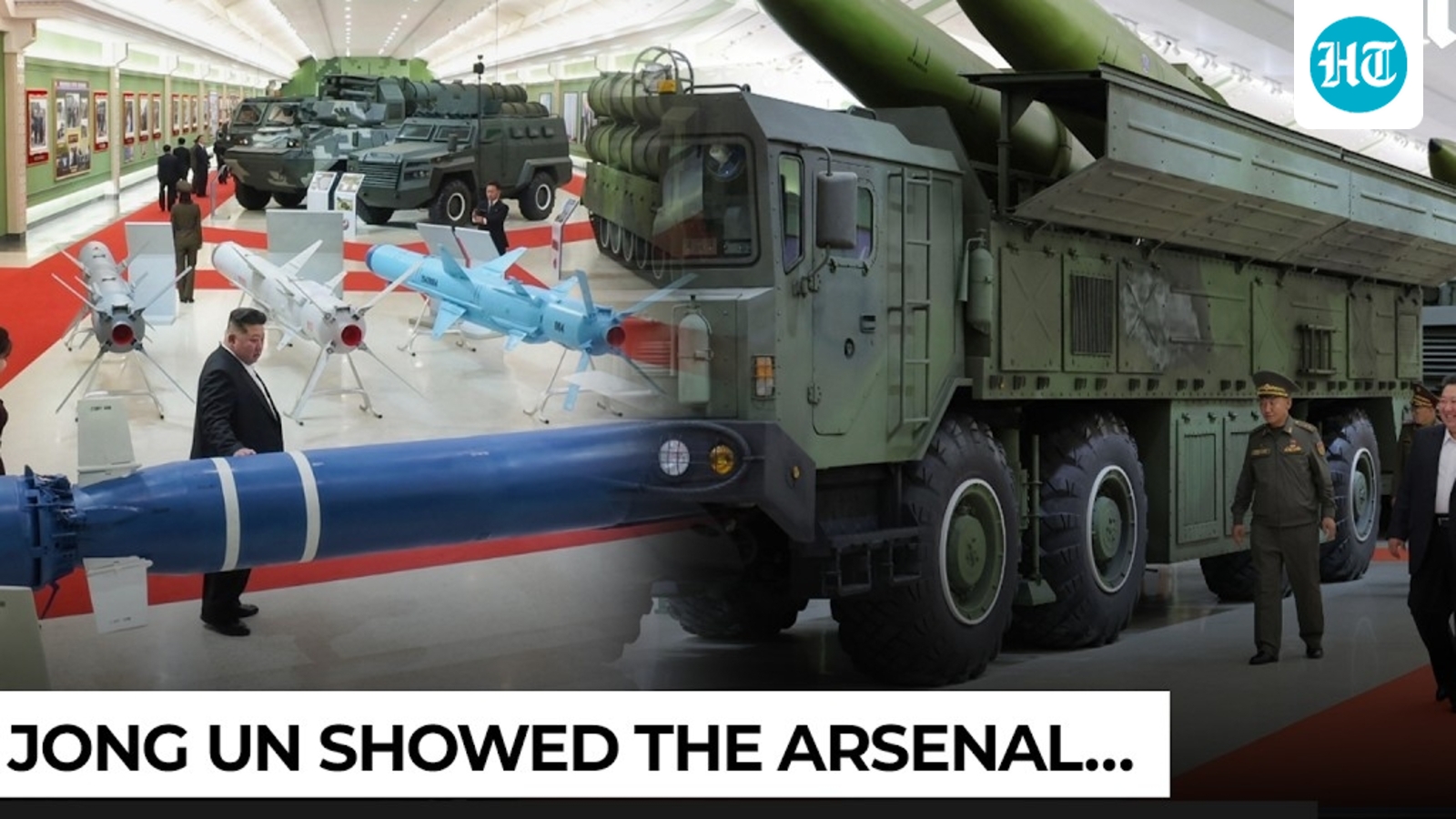
North Korea has opened an extensive underground defense museum displaying its expanding arsenal of missiles, drones, and naval hardware. This development signals a strategic escalation in regional tensions, highlighting the regime's focus on modernizing strike capabilities against South Korea.
North Korea Unveils Underground Defense Arsenal
North Korea has officially inaugurated a sprawling underground defense museum, a facility that serves as a public display of the nation's rapidly evolving military architecture. By showcasing over 25 missile launch vehicles and approximately 15 distinct types of drone and naval systems, the regime is signaling a shift toward a more transparent—yet aggressive—posture regarding its conventional and strategic strike capabilities. This exhibition is not merely a historical collection; it is a calculated statement of intent directed at regional adversaries.
Strategic Implications of the Display
The decision to house these assets in an underground facility underscores North Korea's long-standing doctrine of survivability. By emphasizing hardened, subterranean infrastructure, the regime aims to demonstrate that its strike triad—land-based missiles, maritime systems, and aerial drones—remains protected from preemptive strikes. This display serves to reassure domestic audiences of the regime's defensive strength while simultaneously acting as a deterrent against the perceived threat of US-South Korean joint military exercises.
Escalating Tensions Along the DMZ
The timing of this museum's opening is particularly significant, occurring amidst heightened friction along the heavily militarized border. North Korea has recently issued stern warnings regarding potential countermeasures in response to what it characterizes as provocations from Seoul. This rhetoric, paired with the physical display of weaponry capable of reaching deep into South Korean territory, indicates a transition from traditional posturing to a more active, threat-based signaling strategy.
The Technological Shift in North Korean Defense
Historically, North Korea’s focus was primarily on long-range ballistic missile development. However, the inclusion of 15 types of drone and naval systems in this new facility highlights a strategic pivot toward multi-domain warfare. The integration of advanced drone technology suggests an attempt to achieve asymmetric advantages, potentially complicating the defensive calculations for South Korean and American planners who must now account for a more diverse array of tactical threats.
Future Trends and Regional Stability
As the regime continues to refine its Hwasong-series missiles and maritime delivery systems, the focus of international intelligence will likely shift toward analyzing these newly revealed assets. The museum acts as a barometer for North Korea’s industrial capacity; the diversity of the hardware displayed suggests a robust, albeit secretive, domestic supply chain. Looking forward, the international community should anticipate continued volatility as North Korea utilizes these public displays to leverage its position in any future diplomatic engagements, ensuring its military modernization remains a central pillar of its national identity.
Verification Required?