Angry protestors 'interrupt' Nvidia CEO Jensen Huang's event in Berlin, shout
Source Entity
TOI TECH DESK
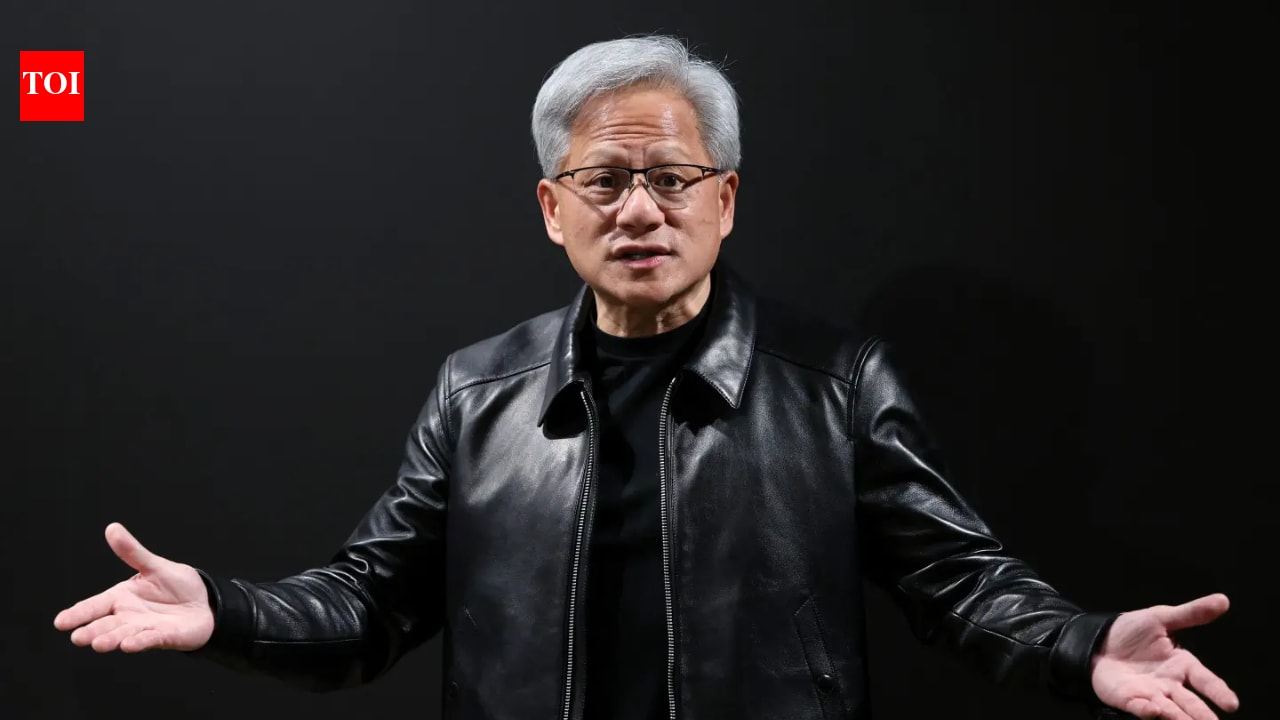
Nvidia CEO Jensen Huang faced protests at a Berlin GTC conference regarding the presence of company chips in Russian military drones. Activists also challenged the tech giant's environmental footprint, highlighting the ethical dilemmas of global semiconductor supply chains.
The Intersection of Silicon and Conflict: Analyzing the Berlin Protests
During a recent GTC conference keynote in Berlin, Nvidia CEO Jensen Huang faced a direct confrontation from activists, marking a pivotal moment where the global semiconductor industry’s supply chain transparency was brought to the forefront of public discourse. The protesters, associated with Greenpeace, utilized the high-profile platform to demand accountability for the presence of Nvidia technology in Russian military hardware. This incident underscores the growing pressure on multinational tech corporations to monitor the end-use of their high-performance computing components in a volatile geopolitical landscape.
The Challenge of Supply Chain Integrity
The core of the protesters' grievance stems from reports identifying Nvidia chips within Russian drones, which have been linked to strikes targeting civilians in Ukraine. For a company like Nvidia, which leads the global market in AI and GPU processing, maintaining absolute control over the secondary and tertiary markets of their hardware is a monumental challenge. While Nvidia enforces strict export controls and compliance programs, the global nature of chip distribution often allows dual-use technology to bypass these barriers through shell companies or illicit networks, creating a significant reputational and ethical risk for the manufacturer.
Environmental Concerns and Corporate Responsibility
Beyond the geopolitical implications, the protesters also leveled criticism at the company’s environmental impact. The rapid expansion of AI infrastructure and the massive power requirements of data centers hosting Nvidia's H100 and Blackwell GPUs have placed the company at the center of the 'green' debate within the tech industry. As the demand for AI compute scales exponentially, the carbon footprint associated with both the manufacturing of these chips and the energy required to run them remains a significant hurdle for Nvidia’s sustainability goals.
Corporate Response and Strategic Continuity
Jensen Huang’s reaction—acknowledging the disruption before continuing his presentation—reflects a broader corporate strategy of maintaining focus on technological advancement despite mounting external pressures. By not engaging in a public debate on the conference stage, Nvidia signaled a preference for private, policy-driven solutions rather than reactive public discourse. However, this approach may prove insufficient as public scrutiny over the 'dual-use' nature of advanced semiconductors grows, potentially leading to increased regulatory oversight from international bodies.
Future Implications for the Semiconductor Industry
This incident in Berlin is likely a precursor to more frequent demonstrations targeting major tech firms. As AI becomes deeply embedded in both civilian and military applications, the industry must prepare for a new era of 'corporate diplomacy.' Companies will likely need to invest more heavily in blockchain-based provenance tracking or enhanced end-user auditing to mitigate the risk of their technology appearing in conflict zones. Failure to address these concerns proactively may lead to stricter export restrictions, which would directly impact Nvidia's bottom line and global market reach.
Concluding Perspectives
In conclusion, the protest at the Berlin GTC conference serves as a stark reminder that Nvidia's technological dominance brings with it profound responsibilities. The intersection of high-performance computing, global warfare, and environmental sustainability has created a complex landscape where technical innovation is no longer insulated from moral and political accountability. As the company continues to shape the future of artificial intelligence, its ability to navigate these ethical challenges will be just as critical to its success as the performance of its next-generation silicon.