Zoe Kleinman: PHP is the cyber equivalent of an unexploded bomb
Source Entity
BBC News
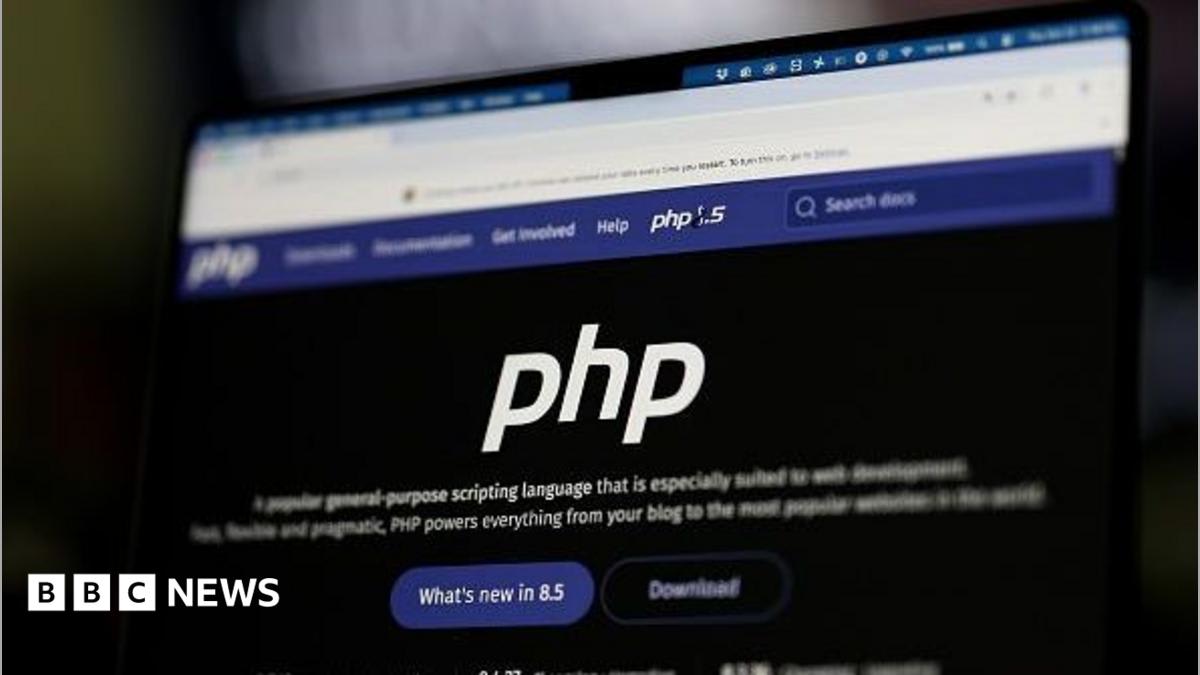
The global tech community is taking preemptive, large-scale action against a potential cyber threat linked to PHP. While no major attack has occurred yet, the industry is treating the risk with the urgency of an unexploded bomb to prevent future catastrophe.
The PHP Cybersecurity 'Unexploded Bomb'
In a rare display of global digital solidarity, the technology sector is currently navigating a high-stakes scenario involving PHP, the server-side scripting language that powers a vast majority of the internet. As noted by industry analysts, this situation is being framed as a cyber equivalent of an unexploded bomb—a dormant, latent threat that demands extreme caution despite the lack of an active, detonated attack.
The Precautionary Principle in Action
Drawing a parallel to historical construction sites where workers must prepare for unexploded World War II ordnance, the current digital response has been characterized by proactive safety measures rather than reactive damage control. Unlike the devastating ransomware attacks that crippled major retailers like M&S and JLR in 2025, the current PHP situation has not yet resulted in a public-facing disaster. Instead, organizations worldwide are choosing to take websites offline as a defensive posture, prioritizing long-term security over immediate uptime.
Unprecedented Global Coordination
What makes this event particularly notable is the sheer scale and public nature of the response. It is highly unusual for the tech industry to synchronize on such a massive, preventative level without a preceding breach. This indicates a profound level of concern among security researchers and infrastructure providers regarding the specific vulnerabilities associated with the PHP ecosystem.
The Role of Industry Advocacy
The foundation for this response was arguably laid less than two months ago, when a coalition of 100 tech companies issued an open letter sounding the alarm. This collective warning acted as a catalyst, shifting the industry from individual concern to a coordinated, global defensive strategy. By signaling the threat before it could be exploited, these companies have attempted to create a 'safe zone' for the internet, similar to the evacuation drills used when potential physical hazards are identified.
Broader Implications for Web Infrastructure
This event highlights the fragility of the web’s core components. PHP remains a foundational pillar of modern web development, and any systemic threat to its integrity carries the potential to disrupt global commerce, communication, and data security. The current situation serves as a stark reminder that the digital infrastructure powering our daily lives is susceptible to vulnerabilities that, if left unaddressed, could lead to catastrophic failure.
Looking Toward Future Stability
As the industry continues to monitor the situation, the focus remains on patching, hardening, and vigilance. While the 'bomb' has not yet gone off, the proactive measures currently being employed represent a maturing of the cybersecurity landscape. By prioritizing collective safety over individual commercial convenience, the tech community is setting a new precedent for how systemic threats to open-source infrastructure should be handled in the future.