Why Odisha vs Chhattisgarh over Mahanadi row is back in spotlight
Source Entity
Sujit Bisoyi
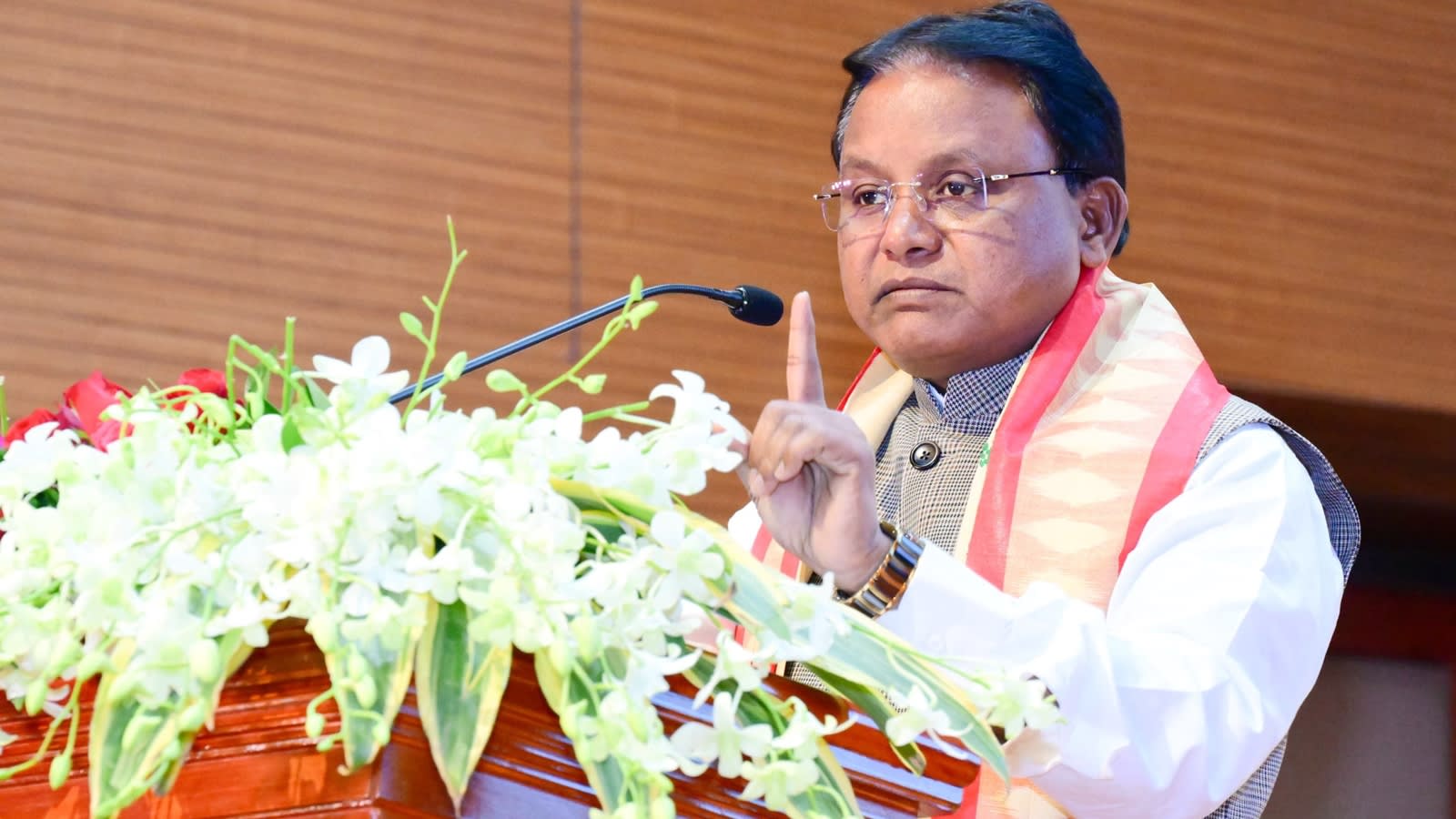
Odisha and Chhattisgarh are working toward an amicable resolution of the long-standing Mahanadi water dispute under Union government mediation. While the current leadership signals progress, the opposition BJD remains skeptical, labeling the efforts as insufficient.
The Resurgence of the Mahanadi Water Dispute
The long-standing Mahanadi river water dispute between Odisha and Chhattisgarh has once again moved to the forefront of regional political discourse. This inter-state conflict, which has historically strained relations between the two neighbors, is currently being addressed through high-level mediation. The recent meeting in New Delhi, chaired by Union Home Minister Amit Shah and attended by Odisha Chief Minister Mohan Charan Majhi and Chhattisgarh CM Vishnu Deo Sai, marks a pivotal attempt to move beyond decades of litigation and deadlock.
The Path to Amicable Resolution
The current administration, led by BJP governments in both states, has signaled a strategic shift toward an "amicable solution." By involving the Union Jal Shakti Minister, C R Patil, the central government is attempting to facilitate a framework that balances the water needs of both states. Chief Minister Majhi’s recent comments suggest that the strategy involves a multi-pronged approach, integrating legal processes with administrative and political dialogue to ensure that neither state’s interests are compromised.
Historical Context and Complexity
Historically, the Mahanadi dispute has been characterized by Odisha's concerns regarding the upstream construction of dams and barrages by Chhattisgarh, which Odisha argues restricts the natural flow of water, particularly during non-monsoon months. This has significant implications for irrigation, agriculture, and the ecological health of the Mahanadi basin. The dispute has been a flashpoint for regional identity politics in Odisha, where the river is considered a lifeline for the state's agrarian economy.
Political Friction and Skepticism
Despite the optimism expressed by the current leadership, the path to resolution is fraught with political tension. The Biju Janata Dal (BJD), the primary opposition party in Odisha, has dismissed the current negotiations as an "eyewash." This skepticism stems from the BJD’s long history of advocating for a tribunal-based approach and their stance that earlier administrative efforts failed to protect Odisha’s riparian rights. The opposition's criticism underscores the deep-seated political sensitivity surrounding water-sharing agreements.
Future Implications and Outlook
As the government prepares to release a new framework for resolution, the effectiveness of this policy will be measured by its ability to satisfy the competing demands of downstream and upstream states. If successful, this could set a precedent for inter-state water management in India, demonstrating how political alignment can bypass years of legal gridlock. However, the success of this resolution will ultimately depend on the technical viability of the proposed framework and its ability to withstand the scrutiny of stakeholders who have long been wary of inter-state compromises.