OMR residents want foot overbridges to be repaired
Source Entity
India Latest News: Top National Headlines Today & Breaking News | The Hindu
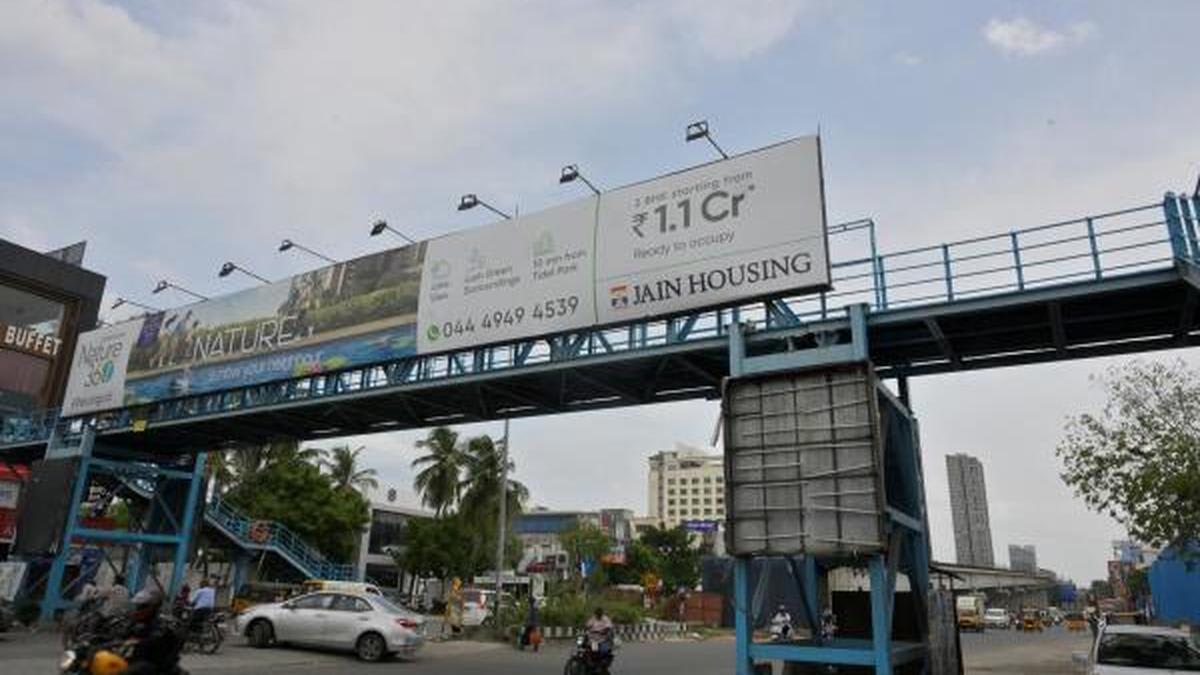
Residents of Chennai's Rajiv Gandhi Salai are calling for urgent repairs to damaged and rusted foot overbridges. The deterioration of these structures, worsened by increased usage due to CMRL construction, poses significant safety risks to pedestrians.
Infrastructure Crisis on OMR: The Urgent Need for Pedestrian Safety
The Human Cost of Neglected Infrastructure
The recent injury of a resident named Kalaivani, who suffered a leg injury due to a missing step on the foot overbridge (FOB) near PTC Quarters on Rajiv Gandhi Salai, highlights a growing crisis in Chennai's IT Corridor. For Kalaivani, what should have been a routine commute turned into a month-long recovery, illustrating that the lack of maintenance on public infrastructure is not merely an inconvenience but a tangible threat to public health and mobility. Her experience—misjudging a step that had worn away—serves as a stark reminder of how neglected urban hardware directly impacts the lives of everyday citizens.
The Impact of CMRL Construction on Pedestrian Flow
The urgency of this situation is compounded by the ongoing Chennai Metro Rail Limited (CMRL) construction. As R. Ramaswamy, a resident of Sholinganallur, noted, the usage of these FOBs has spiked significantly because road-level crossing has become increasingly difficult or dangerous due to the construction work. This sudden shift in pedestrian behavior has placed an unprecedented strain on aging structures that were perhaps already overdue for maintenance. The infrastructure is now a critical lifeline for commuters, yet it is failing exactly when it is needed most.
Structural Decay and Environmental Hazards
The reports from the area paint a grim picture of the current state of these steel structures. Beyond the missing steps, residents have highlighted widespread rusting and surfaces that become dangerously slippery when exposed to rain. These physical defects transform the FOBs from safety features designed to protect pedestrians from traffic into hazardous obstacles. The combination of structural corrosion and poor slip-resistance creates a high-risk environment, particularly for the elderly and those with mobility challenges.
Institutional Accountability and Civic Engagement
Local residents have begun to escalate these concerns to their elected representatives, including their local MLA, marking a critical step in civic advocacy. The frustration expressed by the community underscores a breakdown in the routine maintenance cycle that should keep these facilities functional. When public infrastructure reaches a state of disrepair where it causes physical harm, the burden of resolution shifts from simple maintenance to a matter of public safety and institutional accountability.
Future Implications and Urban Planning Trends
As the IT Corridor continues to densify, the reliance on safe, functional pedestrian infrastructure will only increase. The current state of these FOBs suggests that urban planning in the region needs to move toward a more proactive maintenance model rather than a reactive one. If these structures are not rehabilitated, the city risks a further decline in pedestrian safety, potentially discouraging the use of public walkways and forcing commuters into more dangerous road-level interactions. Ensuring the integrity of these bridges is essential for the long-term sustainability and safety of Chennai’s transport network.
Verification Required?