Oracle Stock Reverses Lower Despite Pentagon Software Deal
Source Entity
Yahoo Finance
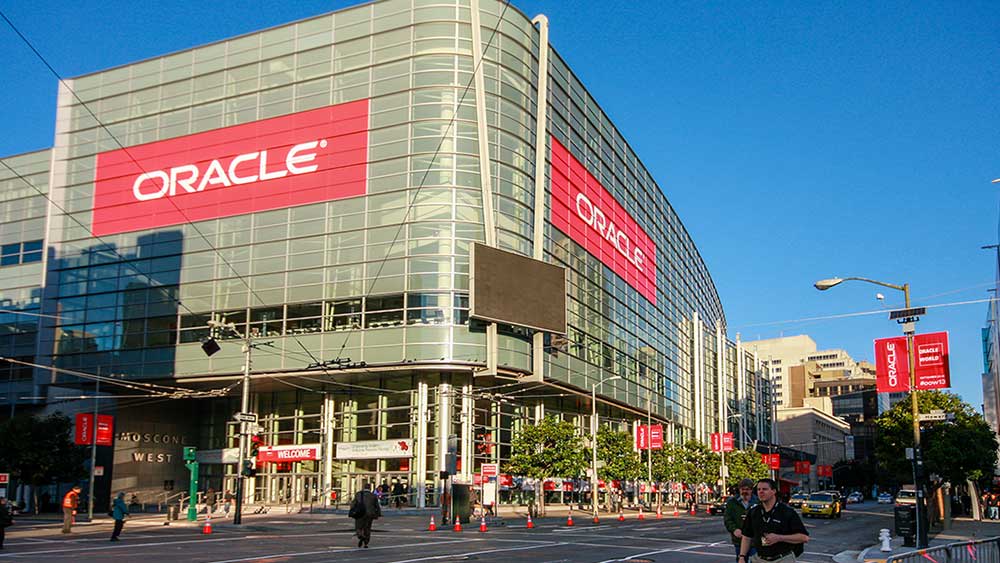
Oracle shares experienced a downward trend despite securing a significant new software contract with the Pentagon. The market reaction highlights investor sensitivity to broader economic indicators over individual enterprise wins.
Market Reaction to Oracle's Pentagon Contract
The Disconnect Between Enterprise Wins and Market Sentiment
Recent reports indicate that Oracle Corporation’s stock has reversed lower, despite the company securing a high-profile software contract with the Pentagon. This paradoxical market behavior underscores a growing trend in the tech sector where even substantial government contracts—traditionally viewed as stable, long-term revenue streams—are failing to insulate companies from broader macroeconomic pressures and investor skepticism regarding growth velocity.
Analyzing the Pentagon Partnership
Securing a contract with the Department of Defense is typically a hallmark of institutional trust and technological reliability. For Oracle, this deal signifies a continued consolidation of its position as a critical infrastructure provider for the United States government. Historically, such partnerships have served as a bedrock for Oracle’s cloud and database services, reinforcing their moat against competitors in the highly regulated defense and federal agency space.
Broader Economic Implications
The downward movement in Oracle’s stock price despite this news suggests that investors are currently prioritizing macro-level factors, such as interest rate trajectories and enterprise software spending budgets, over individual business wins. When large-cap technology stocks face sell-offs despite positive operational news, it often indicates that the market is already pricing in potential slowdowns in corporate IT spending or adjusting for higher valuation expectations in the cloud computing sector.
Historical Context of Oracle’s Defense Strategy
Oracle has long maintained a strategic focus on the public sector, leveraging its legacy database dominance to transition into modern cloud-based defense solutions. By aligning itself closely with the Pentagon’s digital transformation efforts, Oracle aims to ensure a recurring revenue model that is resistant to the cyclical nature of the private sector economy. However, the current market response suggests that the market may be looking for more aggressive growth metrics than those provided by federal contracts alone.
Future Trends and Investor Outlook
Looking ahead, the ability of Oracle to translate these defense deals into wider profitability will depend on its capacity to scale its cloud infrastructure efficiently. While the Pentagon deal is undoubtedly a net positive for operational credibility, the stock's reversal highlights a shift in investor focus toward bottom-line margins and market share gains in the highly competitive AI and machine learning segments. Investors are clearly signaling that they demand more than just steady government revenue to justify current share price premiums.
Conclusion
In summary, while the Pentagon software deal represents a significant achievement for Oracle, the market's negative reaction serves as a reminder of the volatility currently impacting the technology sector. The discrepancy between the company's ability to win significant contracts and its stock performance reflects a market that is increasingly focused on high-growth potential and macroeconomic stability rather than traditional institutional partnerships.