Parandur airport project: What happens now to the land acquired? | Explained
Source Entity
India Latest News: Top National Headlines Today & Breaking News | The Hindu
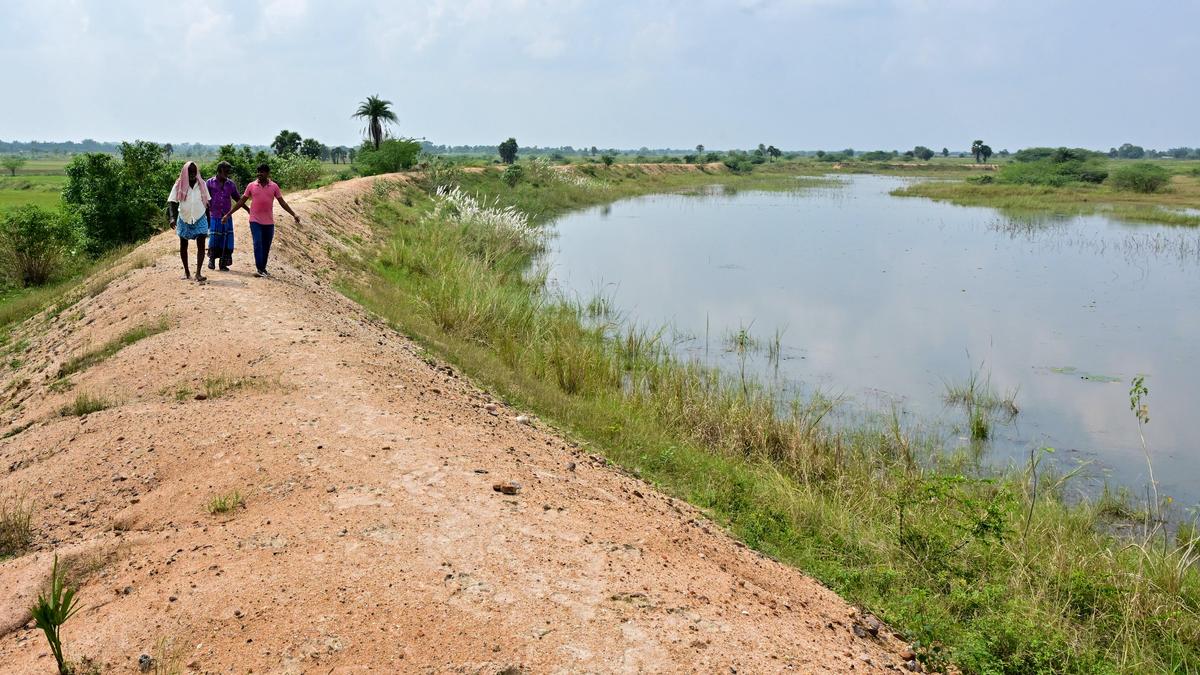
The Tamil Nadu government has officially cancelled the ₹27,400 crore Parandur greenfield airport project following persistent local protests. The administration is now pivoting to repurpose the already acquired lands for alternative developmental initiatives.
The Collapse of the Parandur Airport Project
On August 24, 2026, Tamil Nadu Chief Minister C. Joseph Vijay announced a significant policy reversal, officially canceling the ₹27,400 crore greenfield airport project originally slated for Parandur in the Kancheepuram district. This decision marks the end of a contentious four-year saga that began in August 2022 when the Union Government first cleared the site. The project had been envisioned as a critical infrastructure expansion to support Chennai’s growing aviation needs, but it faced immediate and sustained resistance from local communities.
The Anatomy of Local Resistance
The driving force behind the cancellation was the persistent opposition from local farmers and villagers. The proposed site, located approximately 70 km from Chennai, was the subject of intense protests since its inception. Residents voiced deep concerns regarding involuntary displacement and the long-term ecological impact of constructing a massive aviation hub on land that many feared was environmentally sensitive. This grassroots pressure proved insurmountable, highlighting the growing difficulty of executing large-scale infrastructure projects in densely populated or ecologically fragile regions.
Navigating Mid-Acquisition Reversals
Following the cancellation, a complex legal and administrative challenge has emerged: what happens to the land already acquired? In a statement to the Assembly on Tuesday, Industries Minister S. Keerthana confirmed that the government intends to utilize these parcels for alternative projects. This move is intended to prevent the land from lying fallow and to mitigate the economic disruption caused by the acquisition process. The transition from an airport project to alternative development represents a strategic pivot aimed at balancing state infrastructure goals with the necessity of maintaining social stability.
Legal and Economic Implications
When a government reverses course mid-acquisition, it faces significant fiscal and legal hurdles. The state must navigate the specific statutes governing the Land Acquisition Act, ensuring that the transition to 'alternative projects' remains legally sound. Since the land was originally acquired for a 'public purpose' (an airport), repurposing it requires careful planning to ensure the new projects also meet the requisite legal criteria for public interest, thereby avoiding potential litigation from landholders who might challenge the change in land use.
Future Trends in Infrastructure Policy
The Parandur case serves as a cautionary tale for urban planners and policymakers regarding the 'Social License to Operate.' Future infrastructure projects in Tamil Nadu will likely require more robust community engagement strategies and earlier environmental impact assessments to avoid the costly reversals seen here. The decision to pivot rather than abandon the land entirely suggests that the current administration is keen to salvage the investment already poured into the Kancheepuram district, setting a precedent for how the state handles future failed infrastructure bids.
Conclusion
The decision to scrap the Parandur airport project underscores the power of local advocacy in shaping state-level infrastructure decisions. By choosing to repurpose the land rather than returning it or allowing it to remain idle, the Tamil Nadu government is attempting to balance the economic reality of sunk costs with the political necessity of addressing the grievances of its constituents. As the state moves forward, the focus will shift to what specific 'alternative projects' are deemed suitable for the region.
Verification Required?