LS Speaker seeks response from 20 rebel TMC MPs on disqualification petitions
Source Entity
KARAN MANRAL
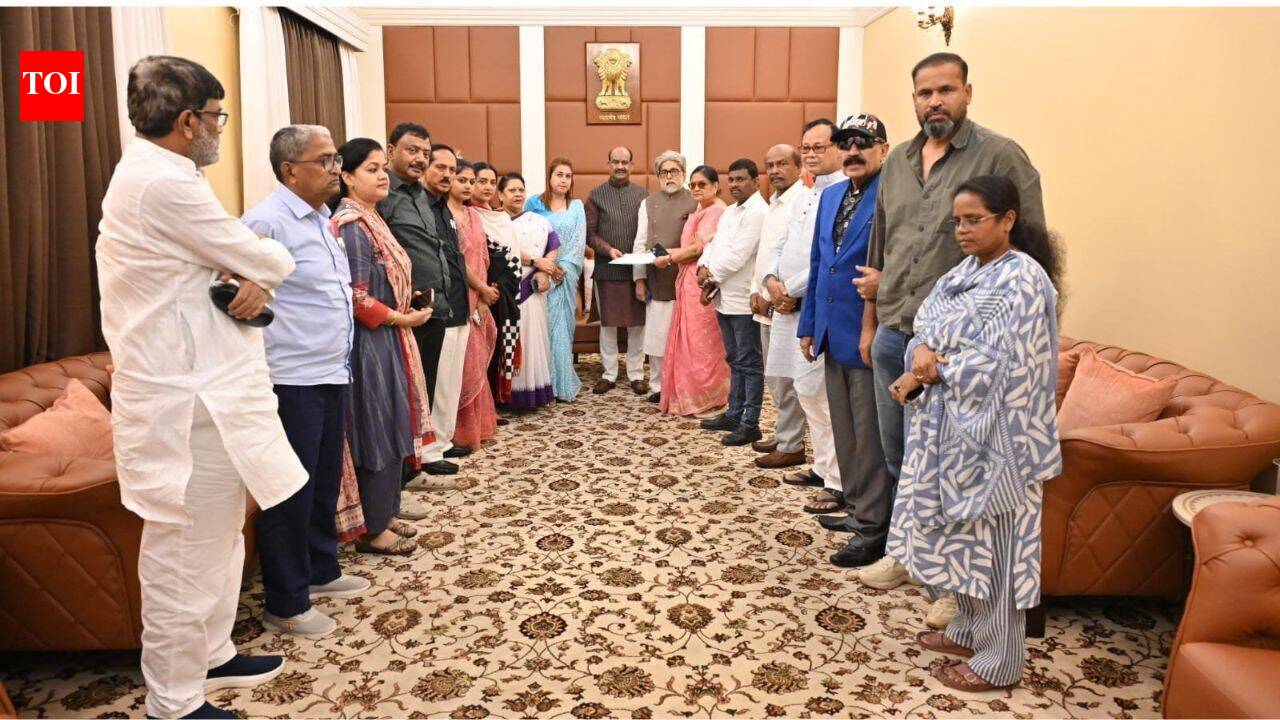
Indian political discourse intensifies as Kangana Ranaut invokes nationalist slogans amidst ongoing ideological rows. Simultaneously, the Lok Sabha Speaker is addressing disqualification petitions against 20 rebel TMC MPs.
Political Polarization and Parliamentary Accountability
The current landscape of Indian politics is witnessing a dual-front intensification of tensions, characterized by both sharp ideological exchanges and critical procedural developments within the legislature. The recent rhetoric involving Kangana Ranaut and Rahul Gandhi, underscored by the invocation of 'Bharat mata ki jai' in response to 'smash patriarchy' sentiments, highlights the deepening cultural and ideological divide that currently defines the national discourse.
The Intersection of Culture and Politics
The clash between Kangana Ranaut and Rahul Gandhi serves as a microcosm of the broader struggle between traditional nationalist narratives and contemporary social justice movements. By invoking the 'Bharat mata ki jai' slogan, the discourse shifts from specific policy critiques to fundamental questions of national identity and cultural values. This type of exchange is increasingly common in Indian political life, where symbolic gestures often carry as much weight as legislative action.
Parliamentary Procedures and Rebel MPs
Simultaneously, the legislative branch is grappling with internal stability, as evidenced by the Lok Sabha Speaker’s move to seek responses from 20 rebel Trinamool Congress (TMC) MPs regarding disqualification petitions. This procedural step is essential for maintaining party discipline and ensuring that the anti-defection laws, which form the bedrock of India's parliamentary stability, are strictly enforced.
Broader Implications of Legislative Flux
The decision to pursue disqualification against a significant block of MPs suggests a period of potential volatility for the TMC and the wider opposition coalition. When large numbers of representatives face such petitions, it often signals deep-seated internal fractures that can influence voting patterns, legislative outcomes, and the overall balance of power within the House.
Historical Context of Political Dissent
Historically, the use of disqualification petitions has been a tool to manage dissent within Indian political parties. The current situation involving the 20 TMC MPs reflects a long-standing pattern where internal party friction reaches the floor of the Lok Sabha. Such instances are vital for observers to monitor, as they dictate the efficiency and functionality of the parliamentary session.
Future Trends in Indian Governance
Looking forward, the combination of high-stakes cultural rhetoric and formal parliamentary disputes is likely to continue. As parties prepare for future electoral cycles, the ability to contain internal rebellion while simultaneously controlling the national narrative will be the primary measure of political success. The outcomes of these disqualification proceedings will likely set precedents for how future legislative crises are managed in a polarized environment.