CJP’s Jantar Mantar Protest Live Updates: Protest enters Day 24; heavy security in Delhi
Source Entity
The Indian Express
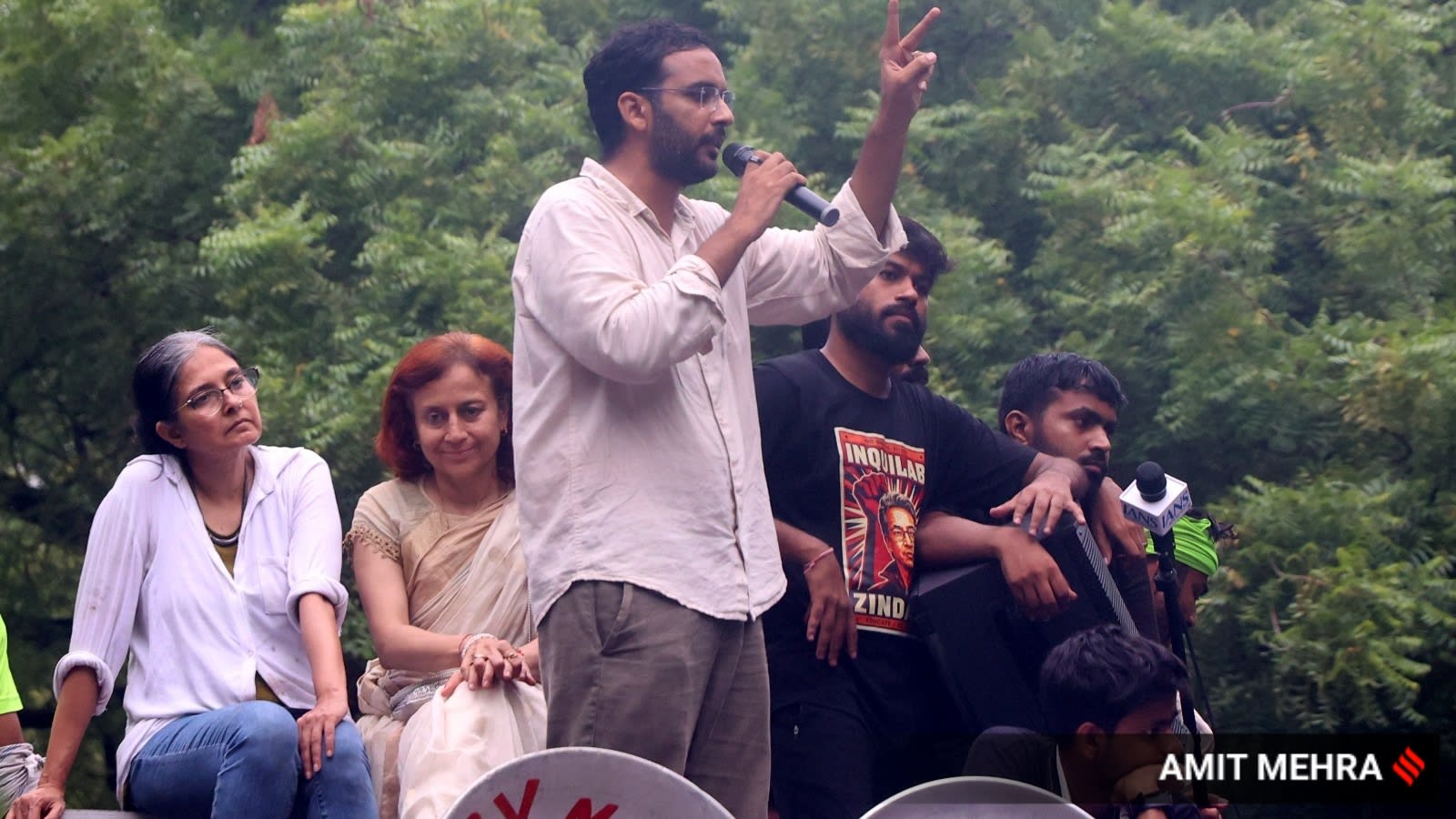
The first day of the 2026 Monsoon Session of Parliament faced total disruption due to nationwide protests over the NEET paper leak and Ram Temple donation theft. While opposition parties paralyzed legislative proceedings, law minister Arjun Ram Meghwal managed to introduce a bill to increase Supreme Court judges from 34 to 38.
Parliament Monsoon Session Paralyzed by Protests
The commencement of the 2026 Monsoon Session of Parliament on July 20 was marked by unprecedented turbulence, both within the legislative chambers and on the streets of New Delhi. The primary catalyst for this disruption was a convergence of public outrage regarding the alleged NEET examination paper leak and reports of donation theft at the Ram Temple. As the session opened, the parliamentary environment quickly devolved into chaos, leading to six consecutive adjournments before the Lok Sabha was eventually forced to suspend proceedings for the day.
The Streets of Delhi: A City Under Siege
Outside the fortified boundaries of Parliament, the situation was equally volatile. An estimated 50,000 protesters, largely mobilized by the Cockroach Janta Party (CJP), descended upon Lutyens’s Delhi. The scale of the mobilization saw security forces struggling to contain crowds across major arterial roads, including Ashoka Road and Janpath. The use of lathicharge, tear gas, and water cannons against demonstrators highlights the intensity of public frustration, particularly among the youth who are demanding the resignation of Union Education Minister Dharmendra Pradhan over perceived irregularities in the NEET and CBSE examination processes.
Legislative Gridlock and Opposition Strategy
Inside the House, the opposition displayed a unified, albeit disruptive, front. Members from the Congress, Samajwadi Party, and Trinamool Congress stormed the Well of the House, effectively halting any substantive debate. Notably, the DMK opted for a distinct strategy, focusing on the Mekedatu issue and distancing itself from the Congress-led protest coordination. This fragmentation suggests that while the opposition is united in its desire to challenge the government, individual party interests remain a significant factor in parliamentary maneuvering.
The Singular Legislative Achievement
Despite the pervasive chaos, the government managed one critical piece of procedural business. Union Law Minister Arjun Ram Meghwal successfully introduced a Bill intended to replace an existing Ordinance. This legislation is of significant judicial importance, as it mandates an increase in the total strength of the Supreme Court of India from 34 to 38 judges, including the Chief Justice. This move, aimed at addressing the massive backlog of cases, was the only tangible outcome on a day otherwise dominated by political brinkmanship.
Broader Implications and Future Trends
The events of July 20 suggest a difficult road ahead for the remainder of the Monsoon Session. The government’s ability to pass its legislative agenda will likely remain contingent upon its capacity to address the mounting pressure regarding the NEET scandal. Furthermore, the focus on the Ram Temple donation theft indicates that the opposition is keen to challenge the administration on highly sensitive cultural and religious fronts. As the session progresses, the government will likely face a recurring dilemma: whether to engage in a debate on these explosive issues or to push through its legislative agenda amidst continued parliamentary gridlock.
Multiple Citing Sources