New bills, old battles, changed equations: What awaits Parliament this Monsoon Session
Source Entity
ROHITASHWA RANJAN
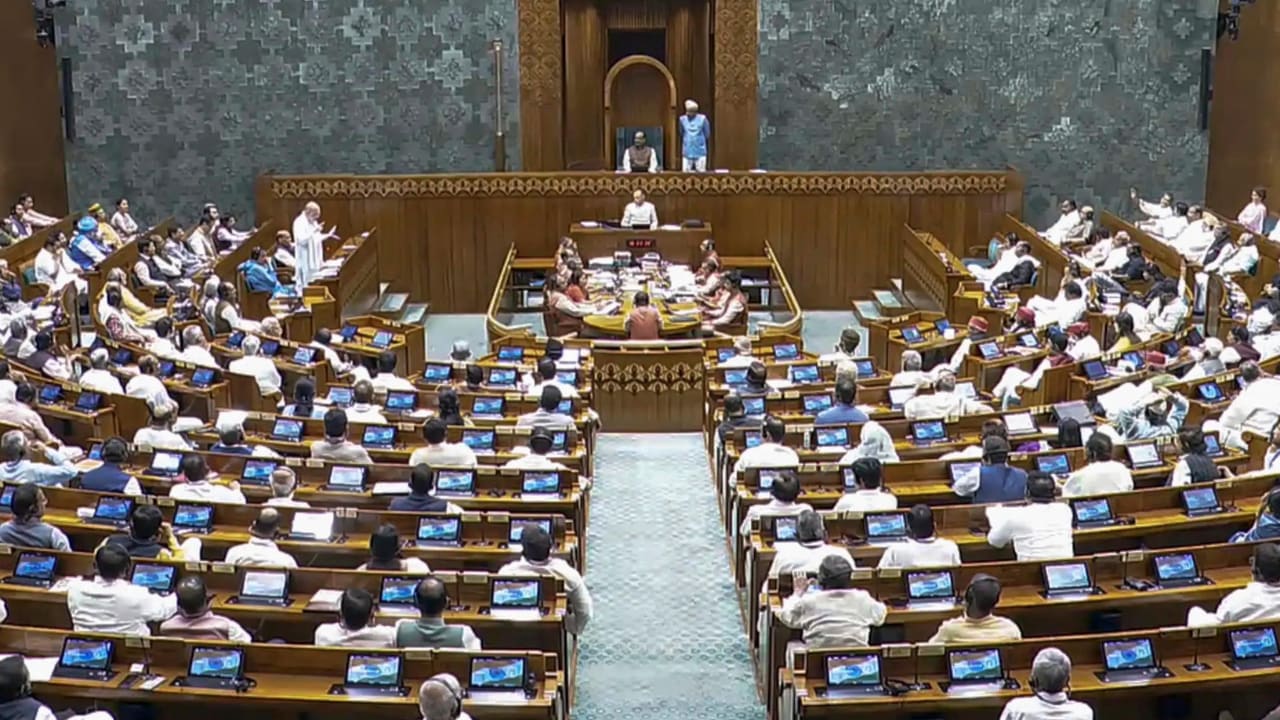
The upcoming Monsoon Session of Parliament features a dense legislative agenda, centered on the Women's Reservation Bill and the FCRA. Shifted parliamentary arithmetic following opposition electoral losses may facilitate the passage of these key bills.
Navigating the Monsoon Session: Legislative Ambitions and Political Shifts
The commencement of the Monsoon Session of Parliament marks a pivotal moment in the current legislative cycle, characterized by a "packed legislative agenda" and a volatile political atmosphere. This session is not merely a routine gathering but a strategic window for the government to push through critical legislation that has previously faced hurdles. The overarching theme of this session is one of transition, where old political battles are being fought within a new framework of parliamentary arithmetic, setting the stage for significant legal and social shifts in India.
The Women's Reservation Bill and the Delimitation Conflict
A central pillar of this session is the government's renewed attempt to pass the Women's Reservation Bill. Having faced defeat in previous attempts, the government is now deploying adjusted strategies to ensure its passage. However, the bill is intrinsically linked to the Delimitation Bill, creating a complex political deadlock. While the Women's Reservation Bill is hailed as essential for enhancing gender representation in governance, the link to delimitation has sparked a fierce debate over federalism. Critics argue that changing seat distributions based on updated census data could unfairly penalize states that have successfully implemented population control measures, thereby undermining the federal balance of power.
Shifting Parliamentary Arithmetic
The dynamics of the current session are heavily influenced by the recent "electoral losses and alliance collapses" experienced by opposition parties. In parliamentary democracy, the ability to block or amend legislation depends entirely on numerical strength and cohesive coalitions. With the opposition currently fragmented, the government finds itself in a stronger position to navigate the legislative process. This shift in arithmetic reduces the likelihood of the deadlock seen in previous sessions, potentially allowing the government to secure a majority for its priority bills with less reliance on consensus-building with opposition blocs.
Analyzing the Legislative Agenda: FCRA and Education
Beyond gender representation, the government has listed several key pieces of legislation, most notably the FCRA (Foreign Contribution Regulation Act) and the Viksit Bharat Shiksha Adhishthan. The FCRA is a critical tool for regulating foreign funding within the country, often used to ensure that external influences do not interfere with internal security or political stability. Simultaneously, the Viksit Bharat Shiksha Adhishthan suggests a comprehensive push toward educational reform, aiming to align the national education system with the vision of a developed India. Together, these bills indicate a dual focus on tightening regulatory oversight and modernizing the human capital infrastructure of the nation.
Strategic Maneuvering and Government Goals
The government's approach to this session is defined by "adjusted strategies." By timing the introduction of controversial bills during a period of opposition weakness, the administration aims to minimize disruptions and maximize output. The goal is to transform the session into a productive legislative engine, clearing a backlog of priority items that are essential for the government's long-term policy goals. The ability to pass the Women's Reservation Bill, in particular, would serve as a major political victory, signaling a commitment to social inclusivity while demonstrating legislative dominance.
Future Implications and Trends
Looking forward, the outcome of this session will likely dictate the trajectory of Indian politics leading into the next electoral cycle. If the government successfully navigates the delimitation controversy and passes the Women's Reservation Bill, it will set a precedent for how systemic structural changes are handled in Parliament. Moreover, the strict implementation of FCRA amendments could lead to a further tightening of the operational space for NGOs and civil society organizations. The session will serve as a litmus test for whether the current government can translate its numerical superiority into lasting institutional reform.
Conclusion
In summary, the Monsoon Session is poised to be a high-stakes encounter between a determined government and a weakened but vocal opposition. While the agenda is focused on empowerment and regulation—ranging from women's representation to foreign funding and education—the underlying tension remains the balance between central authority and federalism. The result of these "changed equations" will determine not only which bills become law but also the future of collaborative governance in the Indian parliamentary system.
Multiple Citing Sources