Priyanka Gandhi Raises July 20 Police Action At Parliamentary Panel Meet, Chaos Follows
Source Entity
NDTV News Search Records Found 1000
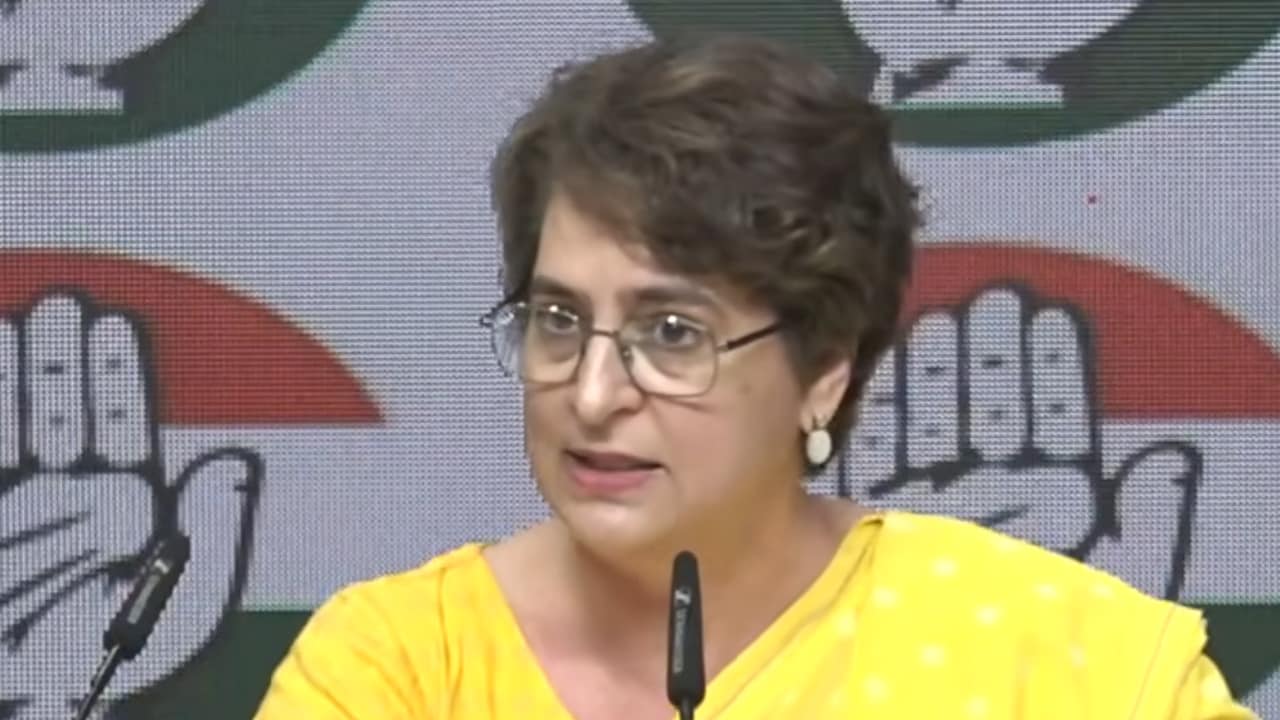
A parliamentary committee meeting descended into chaos as opposition MPs demanded a discussion on alleged police brutality against students during a recent NEET protest. The dispute centered on whether the incident, which allegedly involved minors, fell under the committee's purview regarding crimes against children.
Parliamentary Friction: The NEET Protest Controversy
The recent parliamentary standing committee meeting on 'crime against children' turned into a theater of political confrontation, highlighting the deep-seated divisions between the ruling BJP and the opposition. The core of the dispute originated from a formal request by Congress MP Ajay Maken, who sought to place the alleged police use of pellet guns and lathicharge against students during the Jantar Mantar protest on the committee’s agenda.
The Scope of Inquiry
At the heart of this parliamentary standoff is a procedural and ethical disagreement regarding the committee's mandate. Opposition members, including Priyanka Gandhi, argued that because minors were reportedly among those injured during the July 20 police action, the incident constitutes a 'crime against children.' This argument serves as a strategic attempt to expand the scope of the committee’s oversight, effectively bringing state-level law enforcement actions under the scrutiny of national parliamentary review.
Political Polarization and Procedure
The resistance from BJP MPs during the meeting reflects a broader trend of parliamentary gridlock. By opposing the inclusion of the Jantar Mantar incident, the ruling party members signaled a refusal to allow the panel to become a platform for investigating police conduct during protests. This friction underscores the difficulty of maintaining bipartisan cooperation in legislative committees when sensitive issues of public order and student activism are involved.
Contextualizing the NEET Protest
The protests surrounding the NEET examination have become a significant flashpoint in Indian politics. The Jantar Mantar demonstration, which led to the alleged police intervention, is part of a larger national conversation regarding the integrity and conduct of entrance examinations. When police action is introduced into this mix, it shifts the focus from administrative concerns to human rights and the treatment of young protesters, further complicating the political landscape.
Future Implications for Committees
This incident highlights a growing trend where parliamentary panels are increasingly used as arenas for ideological battles. As opposition members continue to push for investigations into police excesses, the efficacy of these committees in addressing their original mandates—such as the protection of children—faces potential erosion. The precedent set by this clash suggests that future meetings on sensitive social issues will likely remain highly contentious, as both sides seek to control the narrative regarding state accountability and student safety.
Verification Required?