Pentagon’s biggest Iran embarrassment? Destroyed US aircraft, bombed barracks & troops speak out
Source Entity
Latest News: Todays Latest News Headlines from India & World | Hindustan Times | Hindustan Times
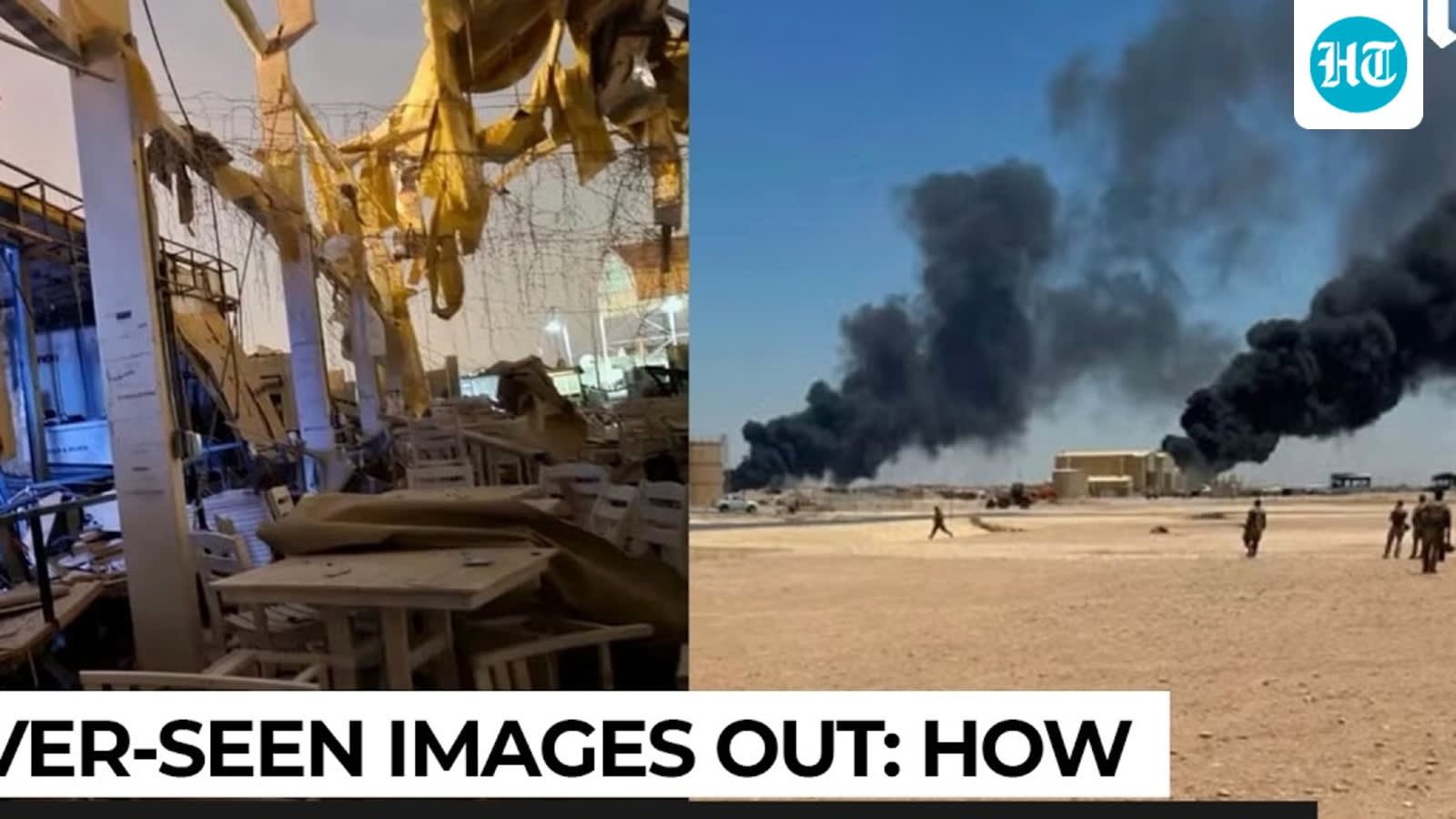
New reports featuring accounts from US service members reveal significant damage to military bases in Saudi Arabia and Jordan following Iranian retaliatory strikes. These findings have intensified scrutiny regarding the human and material costs of the US-Iran conflict during the Trump administration.
The Hidden Costs of Regional Conflict
A recent report has brought to light harrowing accounts and visual evidence regarding the extent of damage sustained by American military installations during the period of heightened tensions between the United States and Iran under the Trump administration. While initial official narratives often focused on the strategic containment of regional threats, these new disclosures provide a granular look at the physical and psychological toll exacted upon US service members stationed across the Gulf region.
Targeting Strategic Assets
The report specifically identifies Prince Sultan Air Base in Saudi Arabia and Muwaffaq Salti Air Base in Jordan as primary sites of impact during Iranian retaliatory strikes. According to the accounts provided, the destruction was not limited to peripheral infrastructure; rather, it involved damaged aircraft and the direct bombing of barracks. The targeting of these facilities underscores the vulnerability of American forward-operating bases to ballistic and drone-based retaliatory measures.
The Human Dimension of Warfare
Beyond the material losses of aircraft and housing facilities, the testimony from service members and their families highlights the profound human cost of these confrontations. By centering the experiences of those on the ground, the report challenges the sanitized nature of military reporting, forcing a public reckoning with the reality that these bases were not merely distant outposts but active theaters of kinetic conflict where American lives were placed at significant risk.
Historical Context of US-Iran Tensions
The revelations arrive at a critical juncture in evaluating the foreign policy legacy of the Trump administration. The era was defined by a shift toward a 'maximum pressure' campaign, which intended to curb Iranian influence but arguably accelerated a cycle of direct military friction. The damage sustained at these specific bases serves as a tangible case study of the reactive nature of this policy, where the escalation of sanctions and rhetoric frequently manifested in direct military-to-military engagement.
Geopolitical Implications and Future Trends
The destruction of US assets at these regional hubs raises uncomfortable questions regarding the efficacy of existing air defense systems and the strategic wisdom of maintaining dense concentrations of troops in high-threat environments. As regional powers continue to advance their drone and missile capabilities, the lessons learned from these incidents will likely dictate future shifts in US force posture, potentially necessitating a move toward more dispersed and hardened defensive strategies.
Conclusion
Ultimately, this report serves as a vital historical document that peels back the layers of official military discourse to expose the realities of the US-Iran conflict. By detailing the destruction of barracks and the impairment of operational aircraft, the narrative forces a deeper conversation about the risks inherent in regional power projection and the long-term impact such skirmishes have on the safety and morale of the American military personnel deployed abroad.
Verification Required?