'Pakistani propaganda accounts': PIB fact-checks AI-generated videos of Dharmendra Pradhan, Piyush Goyal
Source Entity
Latest News: Todays Latest News Headlines from India & World | Hindustan Times | Hindustan Times
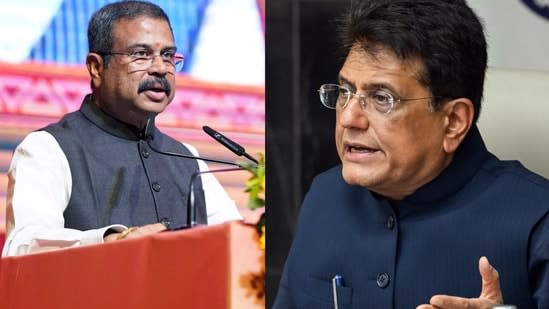
The PIB has identified and debunked AI-generated deepfake videos of Union Ministers Dharmendra Pradhan and Piyush Goyal. Officials state these fabricated clips are part of a coordinated misinformation campaign originating from Pakistani propaganda accounts.
The Rise of AI-Driven Misinformation in Indian Politics
The recent identification of digitally altered videos targeting Union Ministers Dharmendra Pradhan and Piyush Goyal marks a significant escalation in the use of synthetic media within the Indian political landscape. The Press Information Bureau (PIB) Fact Check unit has confirmed that these clips, which attribute inflammatory and fabricated statements to the ministers, are products of artificial intelligence designed to deceive the public.
Anatomy of the Deepfake Campaign
In the case of Dharmendra Pradhan, the fabricated video depicts him making derogatory remarks regarding the NEET paper leak controversy, specifically using dehumanizing language toward critics. The PIB has explicitly stated that these videos are not genuine and have been engineered to create social unrest. By leveraging AI to mimic the likeness and voice of high-ranking officials, malicious actors aim to erode public trust in government institutions during periods of heightened political scrutiny.
Tracing the Source: Cross-Border Influence
Government authorities have pointed to a coordinated effort by Pakistani propaganda accounts as the primary catalyst for the dissemination of these deepfakes. This attribution suggests that state-sponsored or state-aligned actors are increasingly utilizing sophisticated digital tools to conduct information warfare against Indian leadership. The goal appears to be the destabilization of domestic discourse by exploiting existing political tensions, such as the ongoing public debates surrounding educational policy and ministerial accountability.
The Challenge of Digital Verification
This incident highlights the precarious nature of the digital age, where the line between authentic discourse and manufactured reality is increasingly blurred. The PIB’s rapid intervention serves as a critical defensive mechanism, yet it also underscores the limitations of reactive fact-checking. As AI technology becomes more accessible, the ability of bad actors to produce high-fidelity deepfakes outpaces the public's ability to discern truth, necessitating a more robust legal and technological framework for identification.
Broader Implications for Democratic Discourse
Beyond the specific ministers involved, the deployment of AI-generated misinformation poses a systemic threat to democratic integrity. When political figures can be 'made' to say anything, the potential for targeted harassment, electoral interference, and social polarization grows exponentially. This event serves as a bellwether for future trends, where 'seeing is believing' is no longer a viable heuristic for the electorate.
Conclusion: A Path Toward Digital Literacy
As the government pursues legal avenues, such as the filing of FIRs, the broader solution must involve a combination of stringent platform regulation and enhanced digital literacy for the citizenry. The fight against AI-driven propaganda is not merely a technical challenge but a fundamental struggle to preserve the sanctity of political communication. Moving forward, the resilience of democratic institutions will depend heavily on the ability to authenticate information in real-time.
Multiple Citing Sources
Verification Required?