‘Ram ne Yadav ko maara’: Software error throws up bizarre names in UP MLC voter rolls
Source Entity
Maulshree Seth
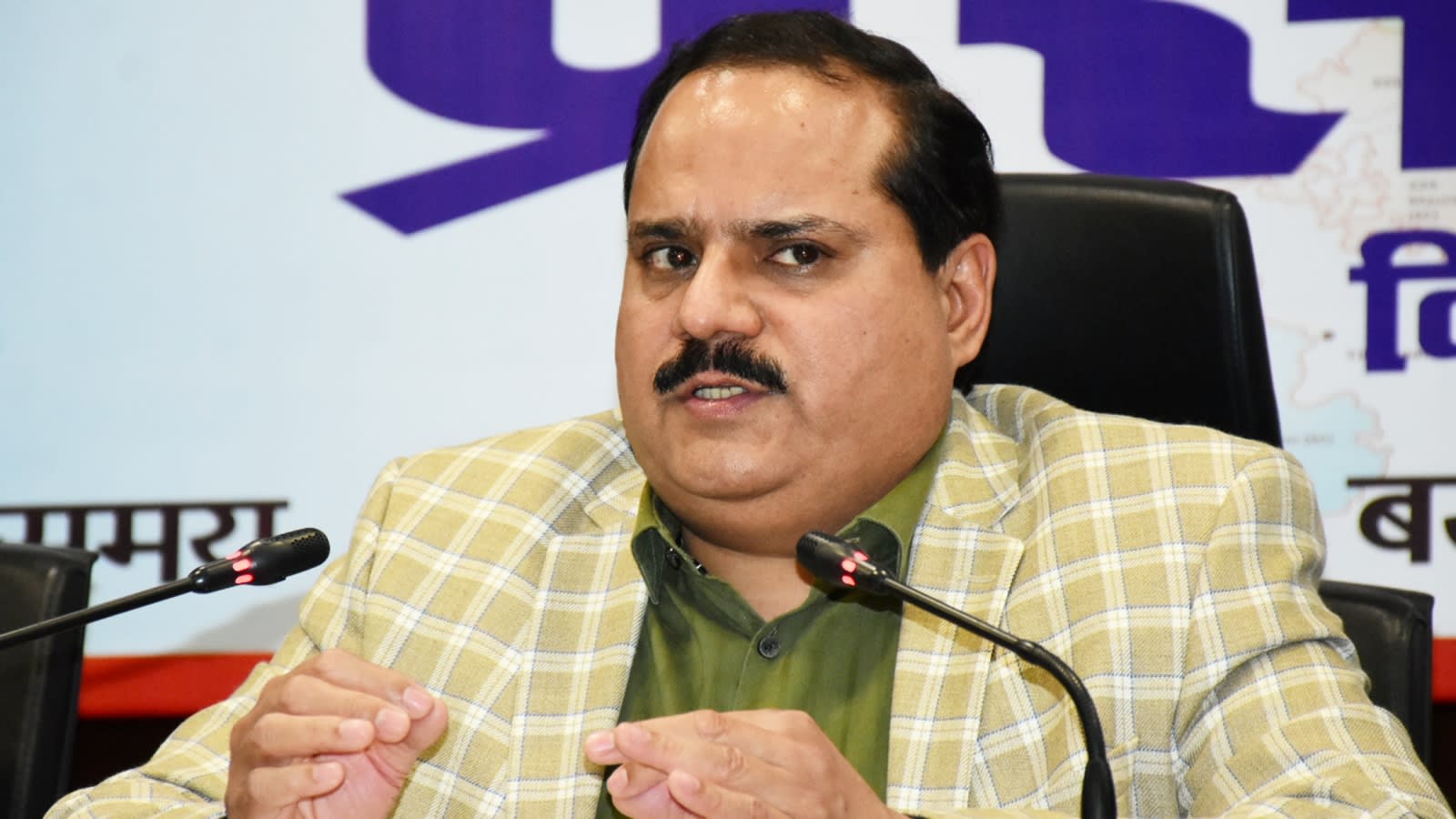
The Uttar Pradesh Election Commission has ordered legal action against officials following the discovery of over 10,000 irregularities in the Pilibhit constituency voter list. An investigation revealed that thousands of unauthorized data changes were made, leading to the suspension of officers and the termination of support staff.
Electoral Integrity Crisis in Pilibhit
The integrity of the democratic process in Uttar Pradesh faced a significant challenge following the revelation of widespread irregularities in the electoral rolls for the Pilibhit Assembly constituency (127). The Uttar Pradesh Chief Electoral Officer (CEO) officially confirmed that over 10,470 entries in the voter list were compromised, triggering a swift and punitive response from state election authorities.
The Scope of the Irregularities
According to the official report, the discrepancies were not mere clerical errors but pointed toward a systematic failure in data management. Investigations confirmed that when citizens attempted to search for their voter information using their Electors Photo Identity Card (EPIC) numbers, the portal returned details belonging to entirely different individuals. Specific instances of data manipulation included the renaming of registered voters, such as the case of 'Faizan Khan' being identified as 'Raees Ali,' casting doubt on the accuracy of the local constituency registry.
Administrative Accountability and FIRs
In response to these findings, the state authorities have initiated stringent legal measures. Two Electoral Registration Officers (EROs) have been targeted for legal action, and a computer assistant stationed at the Pilibhit Voter Registration Centre has had their services terminated. An FIR has been formally registered against these individuals by the Assistant District Election Officer, underscoring the gravity with which the Election Commission treats the unauthorized alteration of electoral data.
Failure of Standard Operating Procedures
An inquiry conducted by the Pilibhit District Election Officer revealed a disturbing lack of oversight. Between May 31 and August 29, 2026, a computer assistant processed 13,779 Form 8 applications—typically used for correcting voter details—without any physical forms or supporting documentation to validate these changes. The absence of a verification trail for such a high volume of modifications suggests a significant breakdown in the internal checks and balances designed to protect the sanctity of the voter roll.
Broader Implications for Election Security
This incident in Pilibhit serves as a cautionary tale regarding the reliance on digital infrastructure in electoral management. While digitization is meant to improve efficiency and accessibility, it also introduces vulnerabilities if administrative oversight is lax. The incident highlights the necessity for robust audit trails, multi-factor verification for data entry, and strict adherence to physical document verification protocols before digital updates are finalized in the electoral database.
Future Trends and Reform
Looking forward, the Uttar Pradesh Election Commission will likely implement more rigorous digital monitoring protocols to prevent such mass unauthorized data manipulation. The incident is expected to lead to a state-wide audit of voter registration practices to ensure that the 'Pilibhit model' of error is not replicated elsewhere. As elections rely increasingly on online platforms, the future of electoral security will depend on the intersection of cybersecurity and human accountability to ensure that every citizen’s right to vote remains protected from data tampering.