Prehistoric rock formations found at Mrugavani National Park
Source Entity
India Latest News: Top National Headlines Today & Breaking News | The Hindu
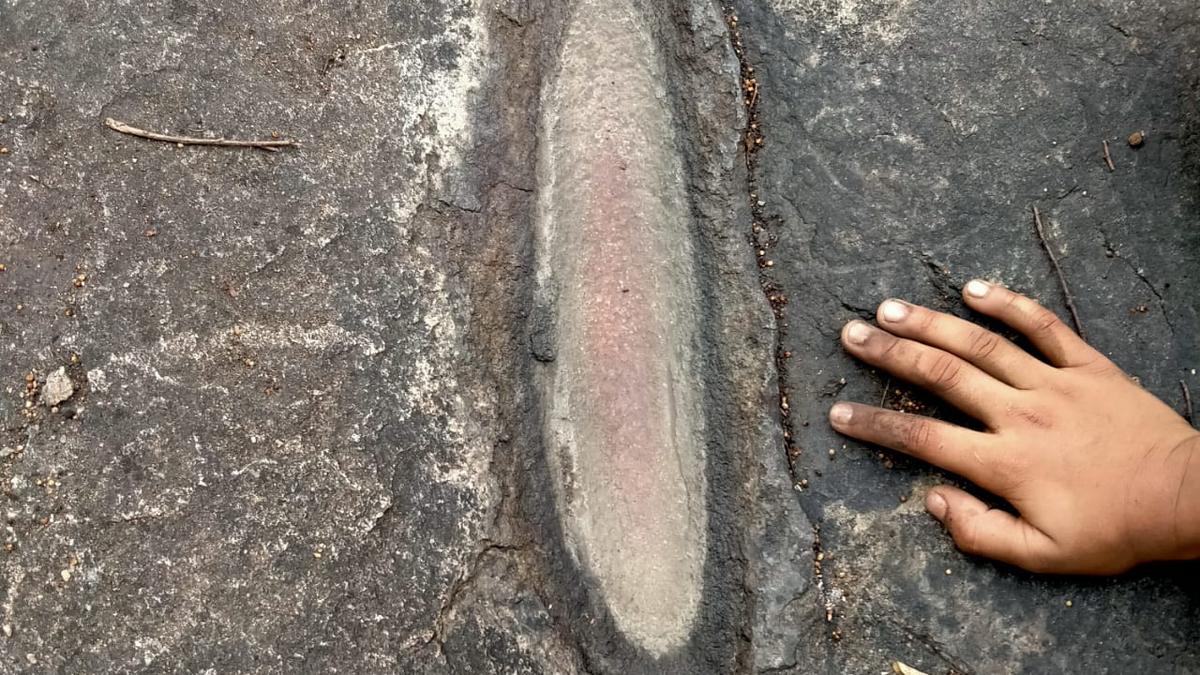
Prehistoric grooves and ancient rock paintings have been discovered at Mrugavani National Park in Telangana. Experts suspect these findings date back to the Neolithic period and are calling for official archaeological investigation.
Uncovering Prehistory at Mrugavani National Park
The recent identification of four deep, mysterious grooves near the Banda Juvvi watchtower in Mrugavani National Park marks a significant potential discovery for the archaeological landscape of Telangana. These markings, brought to light by historian Satyanarayana Dyavanapalli following reports from the local Forest Department, have ignited interest among researchers who believe they may be remnants of Neolithic-period human activity, potentially dating back to the fifth millennium BCE.
Archaeological Significance and Context
Neolithic history in the Indian subcontinent is often characterized by the transition from hunter-gatherer societies to settled agricultural communities. The discovery of such grooves, often associated with tool sharpening or ritualistic marking in prehistoric sites, provides a tangible link to the ancient inhabitants of the Deccan plateau. The proximity of these grooves to the Banda Juvvi area suggests that the region served as a functional or cultural hub for ancient populations long before the modern urban expansion of the surrounding districts.
The Discovery of Ochre Rock Art
Adding to the intrigue is the concurrent finding of ochre-colored rock paintings located just one kilometer away near the Forest Trek Park. These paintings, which depict hunting scenes, animal life, and intricate geometric designs, are hallmark signatures of early human storytelling and artistic expression. While a direct chronological link between the grooves and the paintings has yet to be established, their geographical proximity warrants a comprehensive site survey to determine if they belong to a singular, expansive prehistoric settlement complex.
The Call for Formal Investigation
Despite the excitement surrounding these findings, the current state of the site remains informal. Mr. Dyavanapalli has formally urged the Department of Archaeology and Museums in Telangana to intervene and conduct a scientific study. Without professional excavation and carbon dating, the true historical value of these artifacts remains speculative. The involvement of the State Department is essential to document the site properly and prevent potential degradation caused by natural erosion or unauthorized human activity.
Future Implications and Conservation
If verified, these findings would significantly elevate the historical profile of Mrugavani National Park beyond its status as a wildlife sanctuary. Protecting such sites is a delicate balance; it requires restricting public access to sensitive areas while simultaneously promoting the preservation of cultural heritage. Future research will need to focus on mapping the site, analyzing the mineral composition of the ochre paints, and identifying any stratigraphic evidence that could confirm the timeline of human occupation.
Conclusion
In summary, the identification of these prehistoric grooves and rock paintings represents a vital opportunity for historians and archaeologists to fill gaps in our understanding of early Neolithic life in the Rangareddy district. The call for an official investigation is not merely a request for academic curiosity but a necessary step toward the long-term conservation of India’s ancient history. As the Department of Archaeology and Museums prepares its response, the scientific community remains hopeful that this discovery will lead to a broader protection effort for the region's hidden prehistoric legacy.
Verification Required?