Rare egg of extinct giant moa bird to return to New Zealand after 60 years in US collection
Source Entity
Latest News: Todays Latest News Headlines from India & World | Hindustan Times | Hindustan Times
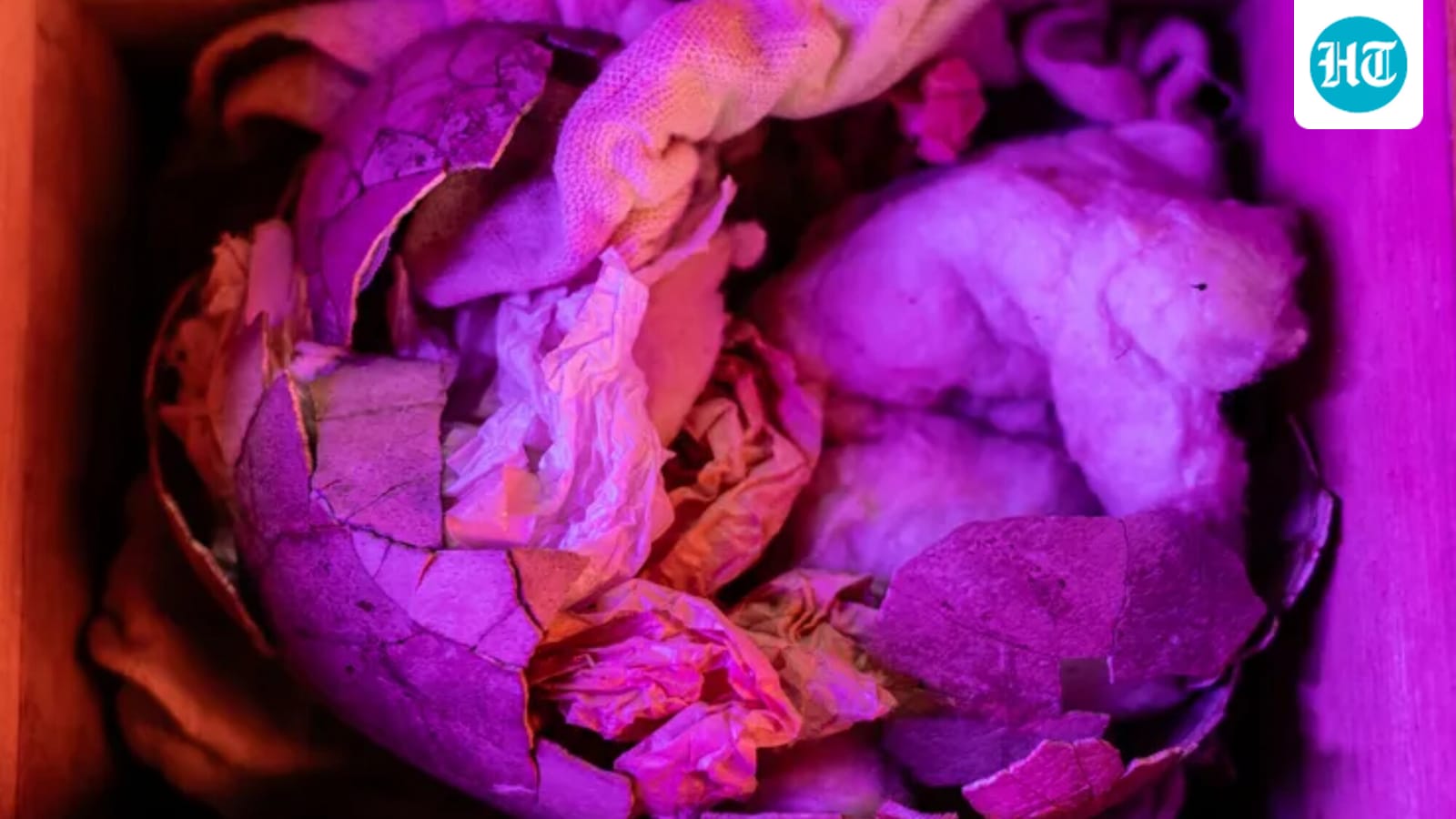
A rare, extinct giant moa bird egg is returning to New Zealand after being purchased by Colossal Biosciences at a 2026 auction. The specimen, held in a private U.S. collection for nearly 60 years, will be repatriated to Māori researchers and cultural leaders this December.
The Repatriation of a Paleontological Treasure
The return of a rare, extinct giant moa egg to New Zealand marks a significant moment in both scientific research and cultural repatriation. After spending nearly six decades in a private United States collection, this artifact—discovered in January 1966—is finally returning to its ancestral home. The acquisition by Colossal Biosciences at a Colorado auction in June 2026 has paved the way for this historic handover, which is scheduled for December.
Historical Context of the Moa
The moa were flightless birds endemic to New Zealand, standing as the dominant herbivores in the island's ecosystem until their extinction several centuries ago. These birds, which evolved in isolation for millions of years, represent a unique branch of evolutionary history. Because moa eggs are exceptionally rare, this specific specimen serves as a critical biological record, providing researchers with insights into the reproductive biology and environmental conditions of a pre-human New Zealand.
The Role of Colossal Biosciences
Colossal Biosciences, a company known for its interest in de-extinction technologies and genetic research, played a pivotal role in this event by purchasing the egg at auction. Their decision to return the artifact to Māori researchers and cultural leaders suggests a recognition of the cultural sovereignty associated with indigenous natural heritage. This move bridges the gap between private commercial interest in biotechnology and the ethical imperative to return culturally significant items to their original communities.
Cultural Significance and Collaboration
For the Māori people, the moa holds deep cultural and spiritual significance. The handover in December is not merely a transfer of a scientific object; it is an act of restoring a piece of New Zealand's natural legacy. By involving Māori leaders in the process, the project ensures that the stewardship of this rare egg respects local traditions and indigenous perspectives on the natural world.
Scientific Implications for the Future
The preservation of this egg offers a rare opportunity for non-invasive study. Modern analytical techniques, such as high-resolution imaging and isotopic analysis, could yield data that was inaccessible in 1966. By returning the egg to New Zealand, the academic community there can foster collaborative research that aligns with both global scientific standards and local cultural protocols, ensuring the specimen remains a subject of study rather than a private commodity.
Conclusion: A New Standard for Repatriation
This incident sets a potential precedent for how private corporations and collectors handle sensitive natural artifacts. By prioritizing the repatriation of the moa egg, the stakeholders involved have demonstrated a commitment to historical preservation. As the egg returns to New Zealand, it stands as a symbol of the intersection between ancient history, modern biotechnology, and the enduring importance of cultural heritage in the scientific community.
Verification Required?