In 2025, three African wild dog brothers travelled 4,126 km across Zambia in eight months, a record dispersal distance for an African mammal
Source Entity
Latest News: Todays Latest News Headlines from India & World | Hindustan Times | Hindustan Times
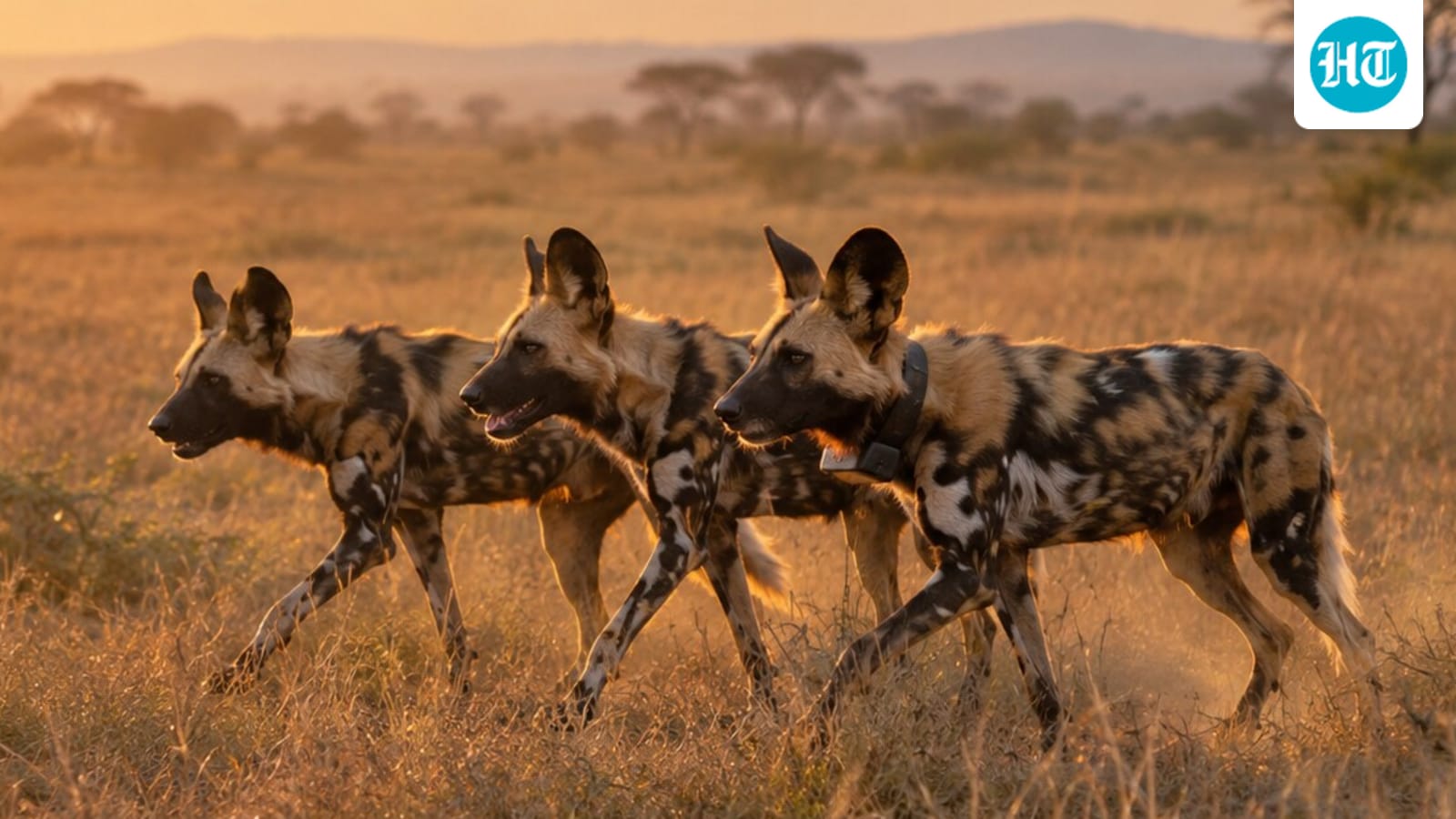
A study reveals three African wild dog brothers traveled a record-breaking 4,126 km across Zambia in eight months to find new territory. This unprecedented dispersal demonstrates the extreme mobility of the species as they seek mates and habitats.
An Unprecedented Journey: The 4,126 km Trek of the Zambian Wild Dogs
Recent scientific findings published in 2025 have unveiled a remarkable biological phenomenon: three African wild dog brothers from the Mayukuyuku pack in Zambia's Kafue National Park completed a staggering 4,126 km trek over the course of eight months. This distance represents the longest recorded dispersal for any African mammal, fundamentally shifting our understanding of how these endangered predators navigate their environments to secure survival.
Understanding the Mechanics of Dispersal
To appreciate the significance of this journey, one must distinguish between migration and dispersal. While migration typically involves a seasonal, round-trip movement, the brothers’ journey was a one-way dispersal. Dispersal is a critical life-history stage for African wild dogs, driven by the biological necessity to find unrelated mates and establish new, viable territories. This behavior prevents inbreeding and ensures the genetic health of the wider population, making it a cornerstone of the species' long-term survival strategy.
The Mayukuyuku Pack and the Separation Event
The departure of these brothers was part of a larger exodus from the Mayukuyuku pack. According to lead author Scott Creel of Montana State University, seven young dogs—three males and four females—left the pack within a two-week window. The decision to leave is not merely a random act of wandering but a calculated search for reproductive success. Each group chose a distinct path, but the three collared brothers displayed an extraordinary level of endurance, trekking from western Zambia to the Luangwa Valley in the east.
Environmental Navigation and Success
The survival of these brothers across such a vast, potentially dangerous landscape highlights the resilience of the African wild dog. By successfully reaching the Luangwa Valley and seemingly settling down with new mates, the brothers achieved the ultimate goal of their dispersal. The fact that they have ceased their nomadic behavior suggests they have successfully transitioned into a new, stable social unit, marking a triumphant conclusion to one of the most grueling journeys ever documented in the animal kingdom.
Broader Ecological Implications
The record-breaking distance covered by these brothers serves as a reminder of the massive spatial requirements of African wild dogs. As habitat fragmentation continues to threaten wildlife corridors across the continent, the ability of these predators to travel long distances becomes increasingly vital. This study underscores the need for interconnected conservation landscapes that allow for such expansive movements, ensuring that species can naturally distribute themselves to avoid local extinction.
Future Trends in Wildlife Tracking
This 2025 study highlights the power of modern tracking technologies in unraveling the mysteries of wildlife behavior. As researchers continue to monitor collared animals with greater precision, we are likely to discover that many species travel much further than previously assumed. Future conservation efforts will likely rely on this data to map out essential biological corridors, protecting the pathways that allow for such incredible, record-setting journeys to occur.
Verification Required?